



When it comes to modes in fighting games, people tend to expect the usual offerings. Survival, Time Attack, Mission/Tutorial Mode; these are the typical stalwarts most closely associated with any fighting game, but by no means are they the be all and end all. Certain games throughout the history of the genre have dared to offer the gamer a new type of experience, a new way to appreciate fighting games. Whether or not it was a success is a different story.
With most modern fighting game fans demanding more content from their games, we’ve decided to take a look back through history, and compile a list of The 8 Weirdest Fighting Game Modes, from the great to the god awful. Please enjoy.
Chronicles of the Sword – Soul Calibur 3
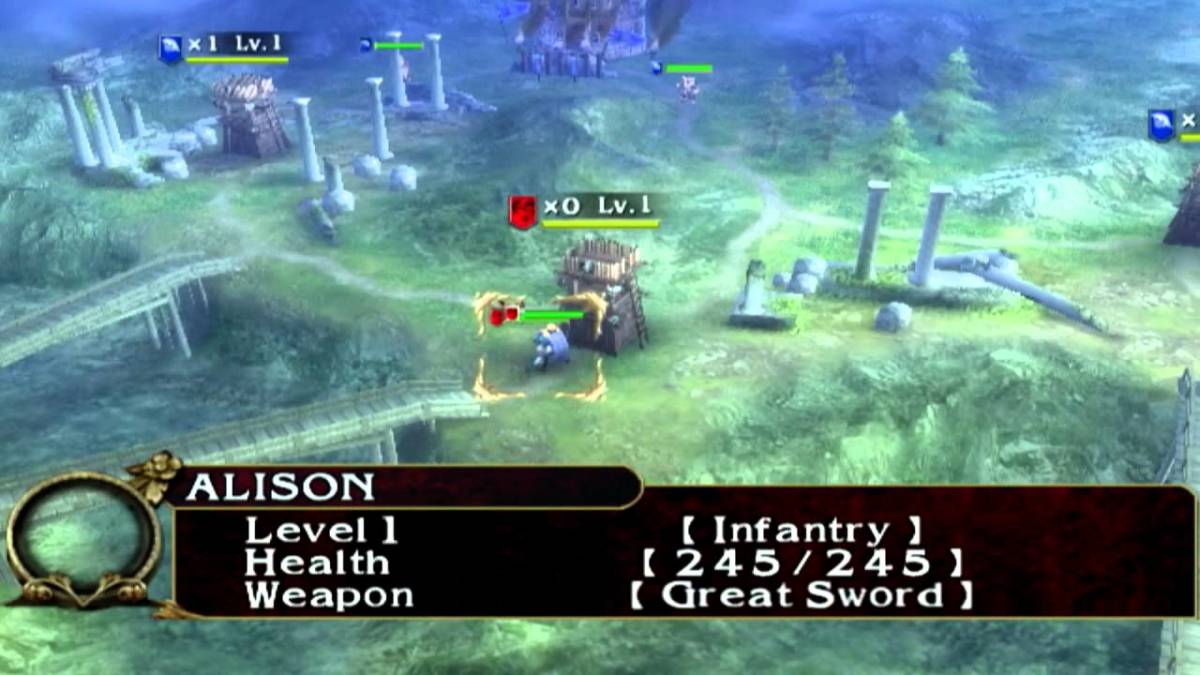
The genesis of this list, seeing how my recent lack of internet reacquainted me with a PS2 and Soul Calibur 3, Chronicles of the Sword was a unique RTS style campaign separate from the Soul Calibur storyline. The mode made use of the at-the-time new character creation mechanics, allowing to create your own hero.
The mode saw you command units on the battlefield to attack and defend key strongholds. Anyone who expected Total War levels of depth would be disappointed, as units could only move on set pathways. The taking of a stronghold was determined using the game’s original gameplay engine, and units could level up their health, strength and such which aided them in battle.
Even though the mode still boiled down to the standard 1v1 fighting that Soul Calibur is famous for, the Chronicles of the Sword premise was unique enough to demand your attention. Certainly not the weirdest mode, but worthy enough of note.
Motor Kombat – Mortal Kombat: Armageddon
Let’s be fair, we could do an entire list of weird game modes in Mortal Kombat games that would probably match the length of this current article. You’ve got Puzzle Kombat, Chess Kombat, Konquest Mode in all three of its forms, Faction War, Challenge Tower, Test Your Luck and the version of the Krypt that turned into equal parts puzzle game and jump-scare horror. Those fucking spiders, man.
But 8 different Mortal Kombat modes (or 10 if you want to include the 3 versions of Konquest Mode) wouldn’t make for a varied list, so we’ll stick with the biggest curveball in Mortal Kombat history: Motor Kombat. Making a one-time only appearance in MK: Armageddon, Motor Kombat was MK’s take on Mario Kart and the kart racing genre as a whole.
Characters like Jax, Scorpion, Raiden and Johnny Cage were given oversized heads, unique karts and raced around courses based on different Mortal Kombat locales. As a diversionary mode to the more traditional fighting game, Motor Kombat was a lot of fun. As an actual kart racing game, it was a bit crap.
Galactus Mode – Ultimate Marvel vs Capcom 3
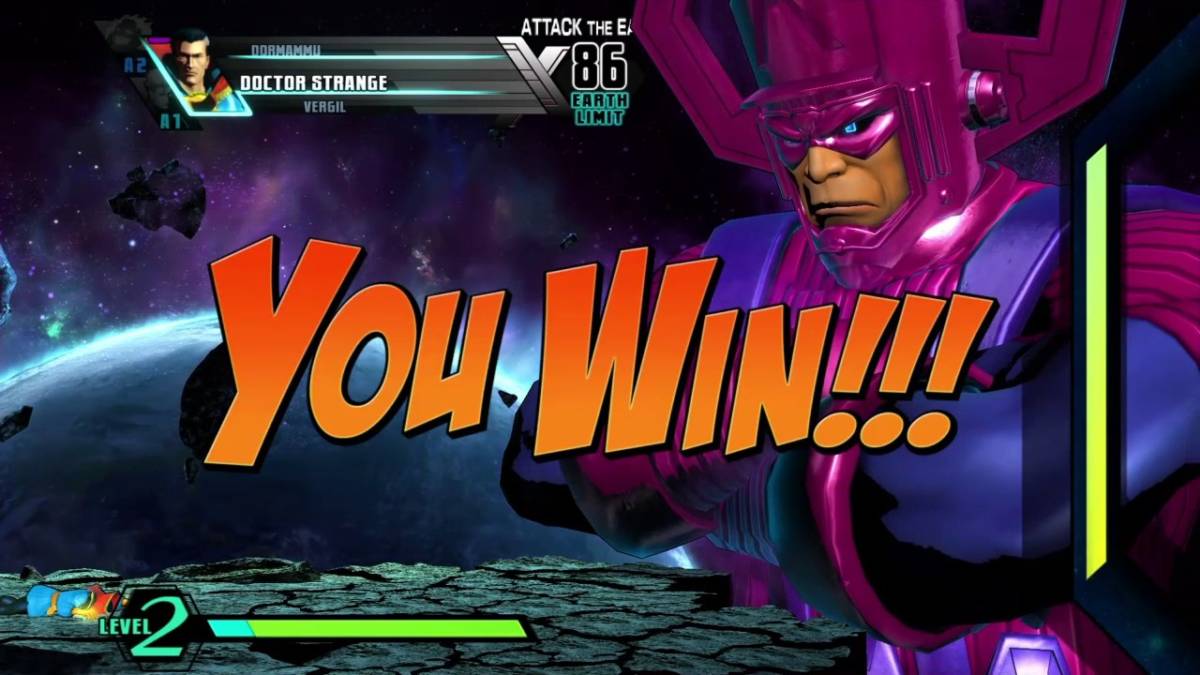
Capcom fighting games aren’t typically known for the length and breadth of their game mode variety. The standard modes mentioned in the intro are usually your lot, unless the game is Street Fighter V. No arcade mode there until next year. Still, when they do weird modes, they do them properly, and one of the finest examples of that is Galactus Mode in Ultimate Marvel vs Capcom 3.
Normally, you encounter Galactus at the end of the Arcade Mode, with his character taking up half the screen and his attacks filling up the other half. The fight isn’t necessarily difficult, but Galactus does throw out some cheap one hit kills every now and again. If that frustrates you, all that you needed to do was input a certain button combination in the Offline menu, and suddenly you were in control of the World-Eater himself. It’s great for when you want to relieve some stress or just to feel massively overpowered. No amount of training can prepare the computer for Galactus.
Devil Within – Tekken 5
The Tekken series has dabbled with the beat ’em up genre here and there, with the Tekken Force mode being a prominent feature in the home releases of many of the early games in the series. Meanwhile, Tekken 6 introduced the Scenario Campaign mode, which gave us the over-arching plot of Tekken 6 in the form of a level based beat ‘em up. Both modes allowed you to pick your preferred character, and their move-set translated fully to the beat ‘em up style.
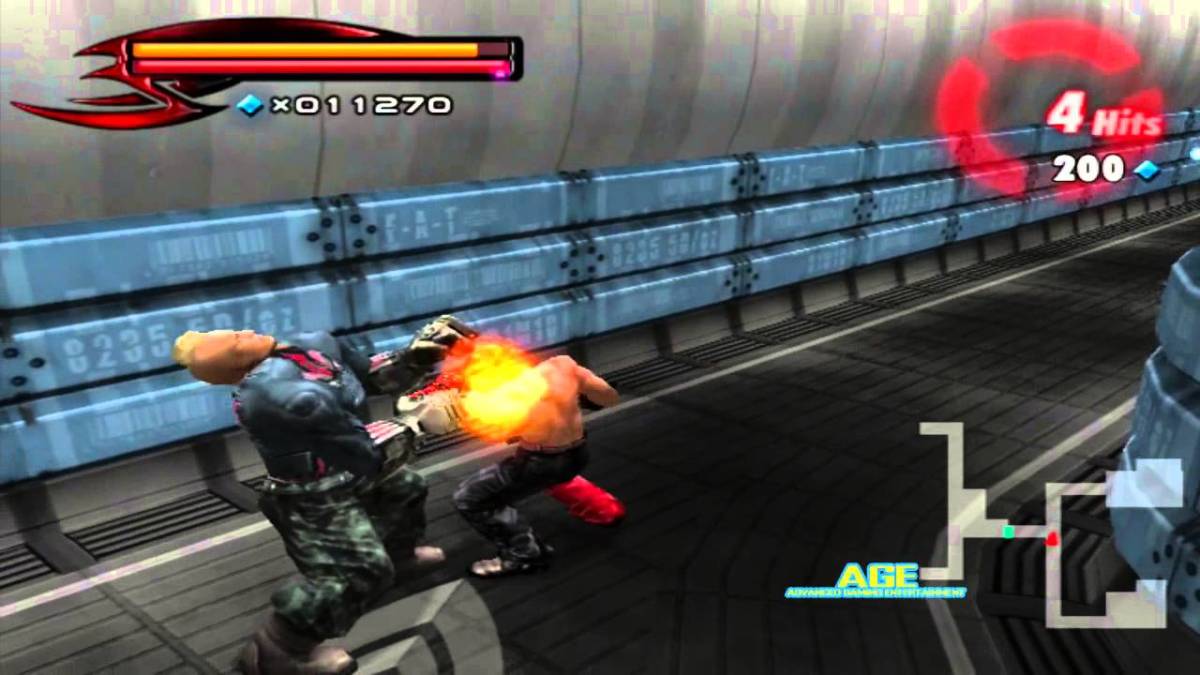
Tekken 5’s Devil Within mode did things differently, as players could only control Jin Kazama, as he infiltrated Mishima Zaibatsu in the search for his mother. Devil Within had more in common with a 3D action adventure game, and Jin controlled differently in this mode than he did in the base game.
The main gimmick of the mode surrounded that “Devil Within”, as Jin could transform into his Devil form once he filled a bar at the top of the screen. As far as quality goes, Devil Within was fairly soulless. You’d spend hours beating up the same thugs in slightly varying levels with the occasional boss fight to break up the pace. It wasn’t the easiest mode either, often hampered by dodgy platforming sections, making its inclusion feel weak in comparison to how great the rest of Tekken 5 was.
Shadow Lords – Killer Instinct
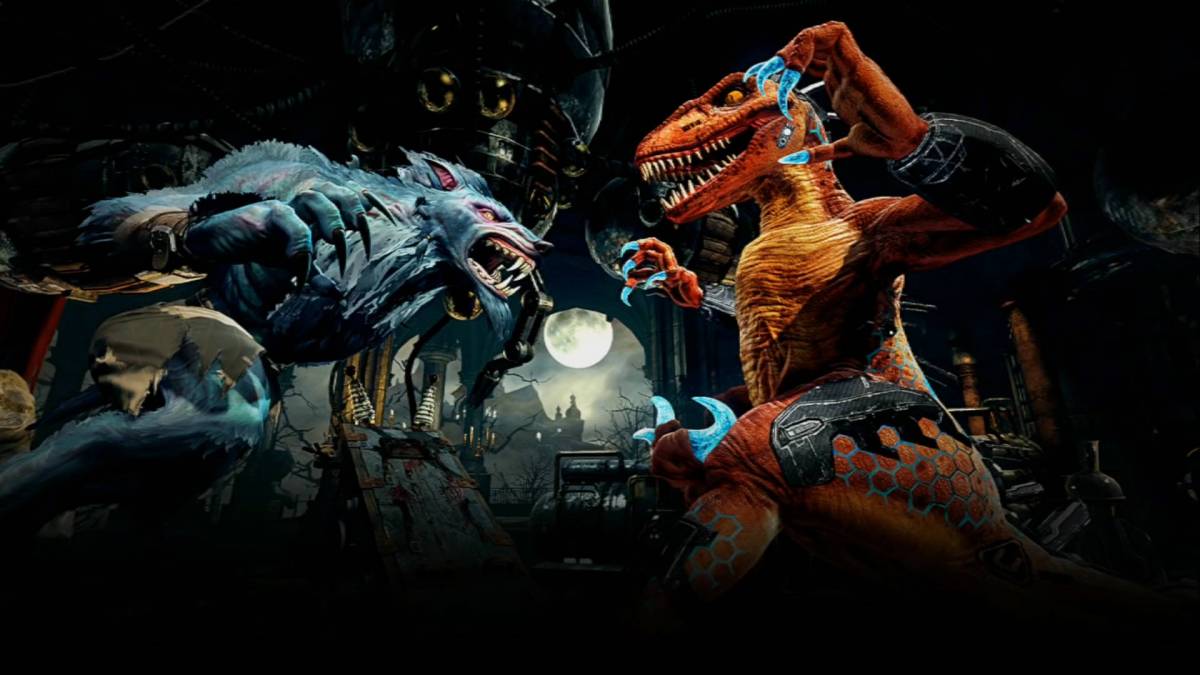
The Venn diagram of XCOM style strategy games and 2D fighters would usually be represented by two separate circles. This wasn’t the case with Season 3 of Killer Instinct, which introduced the expansive Shadow Lords mode into the game. Gargos, the Shadow Lord himself, has unleashed demons and chaos upon the Earth, and it’s up to you to stop it by taking on missions around the globe.
Each day presents a new set of missions that must be completed by one of your three team members, and completing a mission lowers the chaos in that region. Unfortunately, there are usually more missions per day than active teammates, meaning rising chaos is a forgone conclusion. Once chaos has reached its peak across the majority of the globe, Gargos arrives, and the game is either won or lost.
There’s no way to prevent Gargos from stepping foot on Planet Earth for a climactic showdown, so your campaign is spent delaying the inevitable, building up resources and defeating his Heralds, which will weaken him during the final battle. For a daft 2D fighter that wears its madcap attitude like a badge of honour, Shadow Lords is smart, strategic and engaging. And weird, obviously. That’s why it’s on the list.
Quest Mode – Virtua Fighter 5
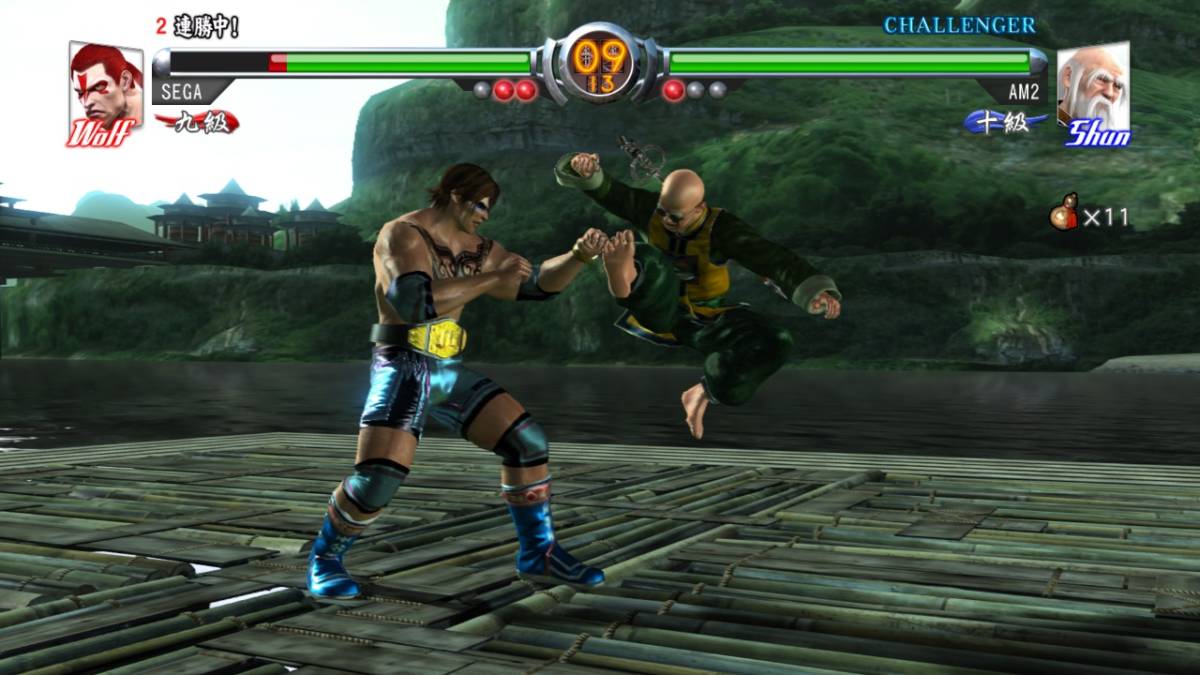
Of all the modes in fighting game history, Virtua Fighter 5’s Quest Mode is arguably the most “meta”. Instead of telling some intricate and convoluted plot about the world of Virtua Fighter, Quest Mode instead plonks you in the shoes of a Virtua Fighter 5 player making their way around Tokyo’s various Arcade establishments. Wrap your head around that.
Despite the utterly bananas premise, there’s something strangely compelling about Quest Mode. Each arcade is populated with AI players of varying difficulties, and it’s interesting to see the name of someone you encountered previously in a tournament. Meaningless matches suddenly become high stakes, high tension rival battles with everything to fight for. Or at least they did in my mind. I’ve been told I have an active imagination.
Though Quest Mode doesn’t do much to truly revolutionise the core gameplay of Virtua Fighter, unlike some of the other entries on this list, it is massive. Seriously. Reaching the final tournament takes around 20 hours of gameplay, and aiming to 100% the mode by meeting each player will take much longer. It deserves a place on this list.
Brand New Quest: The Forsaken Dungeon – Ehrgeiz: God Bless The Ring
Confession time: I’ve never played Ehrgeiz: God Bless The Ring. My one interaction with the game coming in the form of a Super Best Friends Play video, which you can find above. Still, my lack of personal experience shouldn’t discredit its inclusion on this list, as Brand New Quest: The Forsaken Dungeon is about as weird as it gets.
>In its normal form, Ehrgeiz is a 3-D fighter from Square Enix that was famous for including the Final Fantasy characters in its roster. Who cares about the conventional cast of characters when you can watch Cloud and Sephiroth have a barney for the umpteen time? That sounds like a joke, but the normal fighters seemed bland and not very memorable.
Brand New Quest was different, as it took two of the characters and created a dungeon crawling RPG complete with unique bosses, items and the true RPG staple: a tavern. If anyone reading this has played Ehrgeiz and this mode in particular, let us know if it’s any good. I’m strangely curious.
Story Mode – Guilty Gear Xrd Revelator/Rev 2
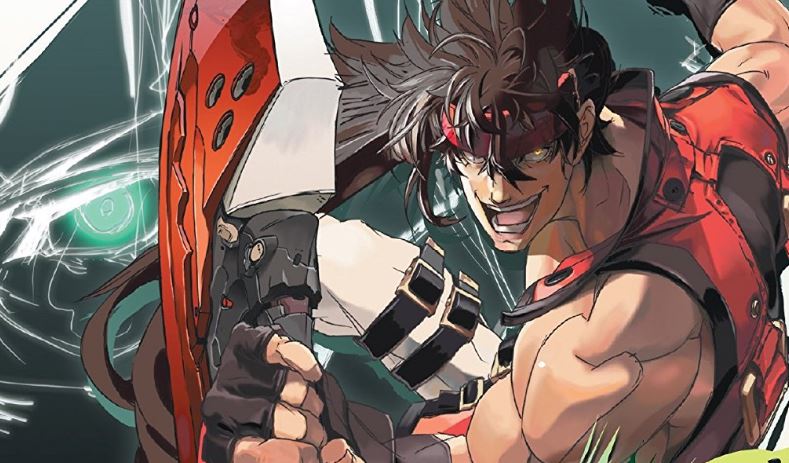
<Traditionally, a story mode wouldn’t be enough to warrant an inclusion on this list, but for Guilty Gear Xrd Revelator and the update Rev 2, we’ll have to make an exception. You see, the Story Mode in these games plays out in the form of a visual novel. No fights, just cutscenes and exposition.
This seems weird to me. Guilty Gear Xrd is one of the most well constructed and enjoyable fighting games of the current generation, yet they choose to eschew the fighting in favour of something else? That feels like a missed opportunity, but at least true Guilty Gear Xrd fans will get a kick out of it.
And that’s the list. Can you think of any more modes in fighting games that seemed weird? Comment your suggestions in the comments below.
Some of the coverage you find on Cultured Vultures contains affiliate links, which provide us with small commissions based on purchases made from visiting our site.