

The 1990s were a wonderful time. Apart from not being able to use the phone and internet at the same time, the Lost in Space reboot, and Hanson’s Mmmbop being used as military enlistment propaganda so we could get away from hearing it. But it was a fantastic decade for games. From the SNES to the beginnings of PlayStation to even the rise of online gaming, you could argue that the 90s were when gaming got serious. Here, then, is the best game from each year in the 90s, starting from nineteen nine zero.
1990
3rd – F-Zero
2nd – Mega Man 3
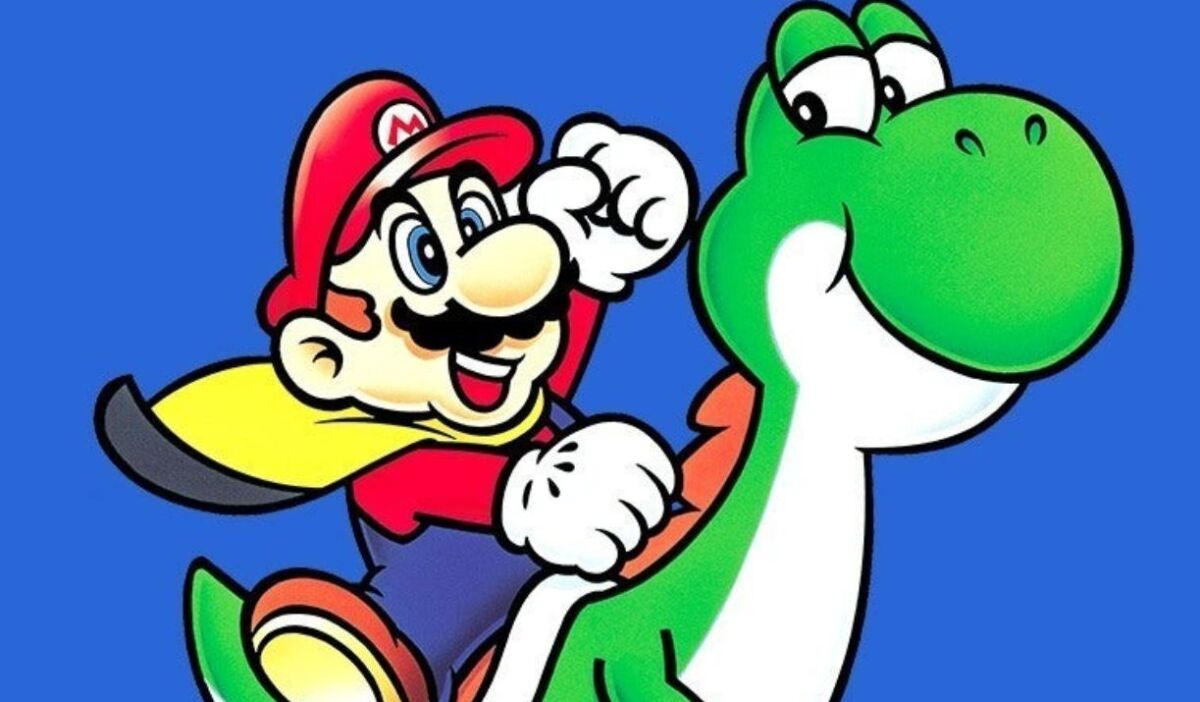
1st – Super Mario World
It’s fair to say that Super Mario Bros. broke the mold on how to create a 2D platformer, but any improvements made by that game were blown out of the water when Nintendo dropped Super Mario World. Not only is it a much better game, Super Mario World is such a massive graphical improvement over its predecessors that it probably single-handedly convinced millions of NES owners to pick up a SNES. Sure, it might not have been released in the West until 1991, or 1992 in Europe, but since it was released in Japan in 1990, it counts here. Plus, it was the game that introduced the world to Yoshi, so it’s clearly the best game in the world ever made, and there’s a reason why it’s been re-released so many times in the nearly four decades since: it’s arguably the best 2D Mario platformer of all time.
Instead of just ploughing through levels one by one, Super Mario World actually gives players a world map to explore, and many of the game’s levels have secret exits and discoveries that unlock new features or opportunities to complete the game your way. There’s even new abilities like the Cape, which is great for anyone looking to skip through an entire level in record time, all of which combine to create a legendary 2D platformer that’s still as much of a joy to play now as it was when it launched on the SNES. Plus, that music is iconic. Mario music always is, of course, but there’s something about Super Mario World’s that’s just levels above, honestly.
It’s a 10/10 masterpiece, now and forever. It’s no use disagreeing.
1991
3rd – Sonic The Hedgehog
2nd – The Legend Of Zelda: A Link To The Past
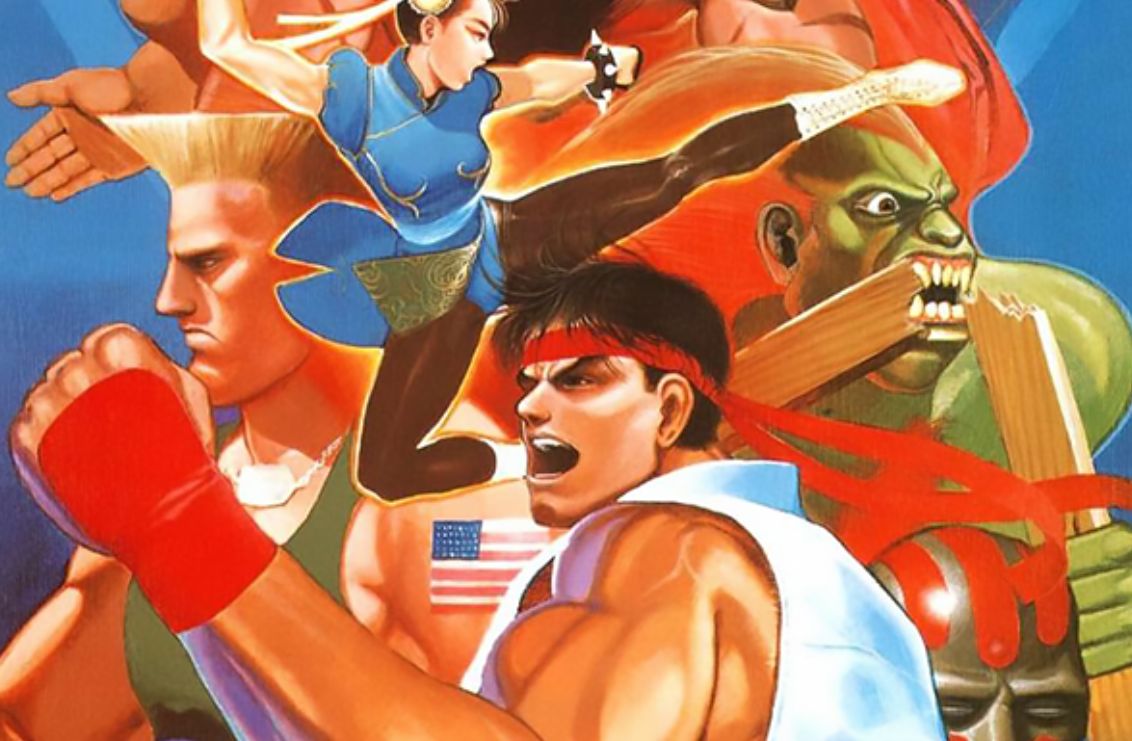
1st – Street Fighter 2
Sonic the Hedgehog being third shows you just how difficult this video actually is to put together.
Now, you might think we’ve blown our load a bit too early on Street Fighter 2, considering there are plenty of re-releases and refined versions of SF2 that improved the game massively. On top of that, it only launched in arcades in 1991, while the console releases came a year later. To that, we say that Street Fighter 2 is arguably the foundation block of the entire fighting game genre and without it, the genre wouldn’t be what it is today.
It’s especially impressive when you consider that the first Street Fighter is among one of the worst fighting games of all time. Okay, maybe that’s a bit of an over-exaggeration, especially when you see some of the slop on Steam and the like, but you get the point. Try playing SF1 today and you’ll notice that it’s genuinely about as fun as challenging a building to a headbutt-only scrap.
Street Fighter 2 allowed players to actually control multiple characters instead of just Ryu and Ken, so you know that’s a huge improvement from the original. Adding the likes of Guile, Chun-Li, Blanka and Zangief helped to cement Street Fighter as a vibrant world filled with wacky and wonderful characters, which definitely helped the game to stand out among the arcades. Of course, it was the actual gameplay improvement, including extra attacks and tighter controls that make the game actually not miserable to play.
Is it the best Street Fighter ever made? Perhaps not, as others really added to the formula to create magic, but they’d be nothing, along with the entire genre, without this fundamental release.
1992
3rd – Mortal Kombat
2nd – Wolfenstein 3D
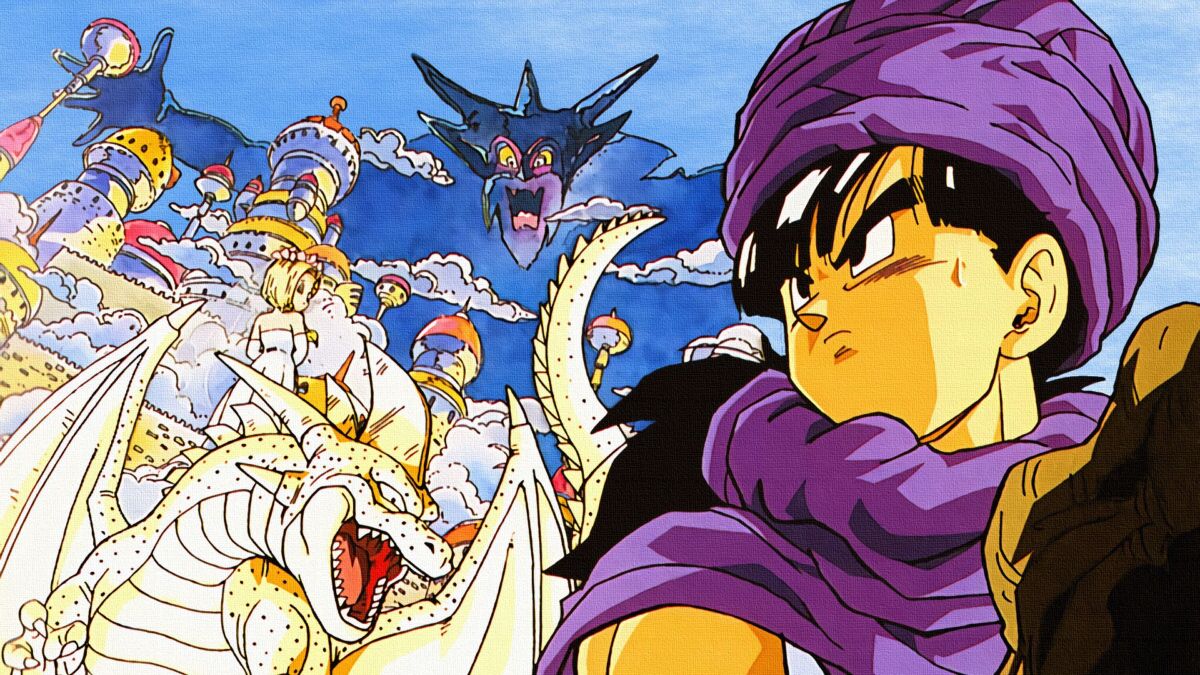
1st – Dragon Quest V
For the majority of both franchise’s lifespans, Dragon Quest has lived in the shadow of Final Fantasy, and it doesn’t seem like that’s going to change any time soon. In 1992, Dragon Quest really managed to strike back against Final Fantasy with Dragon Quest V: Hand of the Heavenly Bride, which is probably the most ambitious Dragon Quest game of all-time, or at least up until that point.
This RPG masterpiece from Chunsoft and Enix took everything that worked about the series up until that point and sprinkled in some long-term storytelling to create a generation spanning epic. We’d say this would be a prime candidate for a remake, like Square Enix have been doing with other Dragon Quest games, but they already did one for PS2, so they could just gussy that one up a bit and call it a day. They did also remake it for the DS.
Dragon Quest V: Hand of the Heavenly Bride follows the main character, a Hero you name, who starts out as a six year old boy travelling with his father in search of his mother and the Legendary Hero. Through various trials and tribulations, the game spans the course of multiple decades, as the Hero encounters new issues, meets new allies and discovers the truth about his mother and who the Legendary Hero actually is.
The turn-based combat of the series returns, as does wagon travelling from DQ4, but the big change is being able to catch and use monsters in battle. We’d say it did Pokemon before Pokemon, but we all know they got the idea from Shin Megami Tensei. Still, this was an RPG that chucked everything at the wall and it all stuck.
1993
3rd – Secret Of Mana
2nd – Mortal Kombat 2
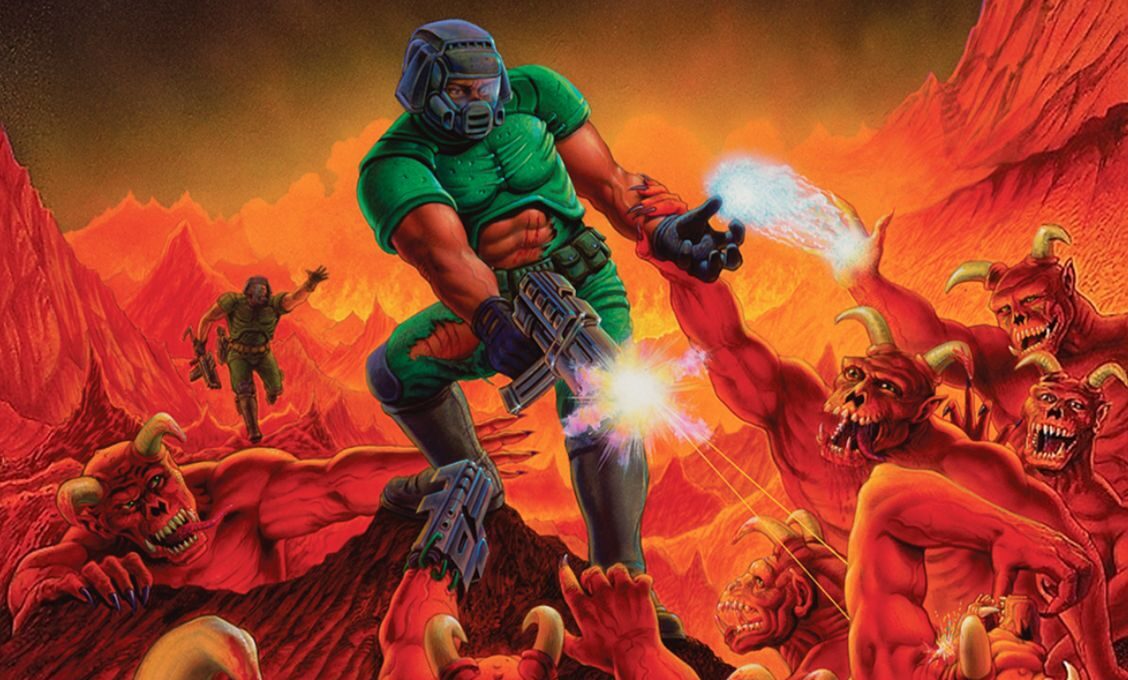
1st – DOOM
There’s a number of good games that were released in 1993, but come on now. It could only ever be DOOM. Yeah, it might have only released at the very tail end of 1993, so if The Game Awards were going in 1993, it absolutely wouldn’t have been included in the running, but that’s the joy of doing retrospectives like this. It says 1993, so it’s a 1993 game, and it’s arguably the game that influenced the FPS genre the most in the over 30 years since its release.
Granted, some of that can be traced back to Wolfenstein 3D a year earlier, with id Software’s great Nazi-shooter proving that first person shooting would be the future of the entire gaming industry. It’s just that DOOM took everything that Wolfenstein did and did it infinitely better. Faster, better looking, more weapons and enemies; DOOM was simply the superior game, and the sales figures proved that, as DOOM was making in a day what Wolfenstein did in a month.
At this point, we don’t really need to explain DOOM to anyone beyond the obvious “you blast demons and find bits and bobs” and while the original DOOM formula has aged somewhat in the years since, it’s still great fun tearing through old levels, finding keys and secrets as you obliterate demons. If you want an idea of how successful and brilliant DOOM was, look at the mountain of clones and imitators that came out of the woodwork soon after DOOM did. The industry simply wouldn’t be where it is today without DOOM.
1994
3rd – Donkey Kong Country
2nd – Super Metroid
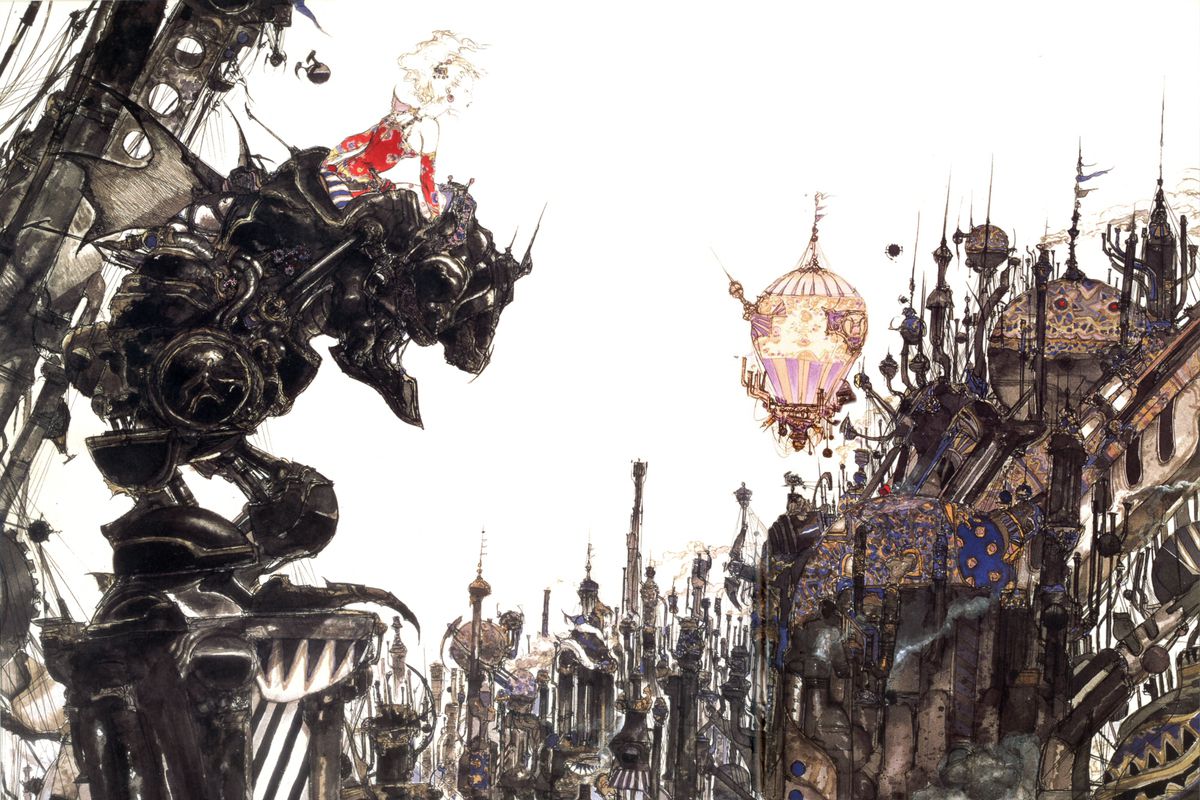
1st – Final Fantasy VI
We simply couldn’t get through a list of the best games of the 90s without at least one Final Fantasy game taking the top spot, and we reckon some of you are going to be annoyed that Final Fantasy VII isn’t it. Spoiler?
Our reasoning is simple: 1997 is a tight year for the best games of all time, while in 1994, Final Fantasy VI kind of storms it. Many would consider it to be a genuine contender for the best Final Fantasy game of all time, along with being one of the greatest RPGs ever made. There’s simply not enough good words to say about this one, but we’re going to try.
The game follows Terra and an ever growing band of characters as they make attempts to resist the power of fascist military dictatorship. Sure, there’s plenty of Final Fantasy games about characters resisting an “empire” of some sorts, but Final Fantasy VI might just be the darkest entry in the series. It’s between that and FFXVI, honestly, but this game has chemical warfare and a truly psychotic, unhinged villain that’s responsible for one of the biggest and best mid-game twists in gaming.
Despite the dark and bleak nature of the game though, Final Fantasy VI manages to keep the charm and humour you’d expect from a Final Fantasy game. Couple that with the series’ trademark Active Time Battle system, and plenty of customisation in terms of weapons, accessories and magic for each of the fourteen playable characters, and it’s no wonder this has become RPG royalty.
1995
3rd – Suikoden
2nd – Super Mario World 2: Yoshi’s Island
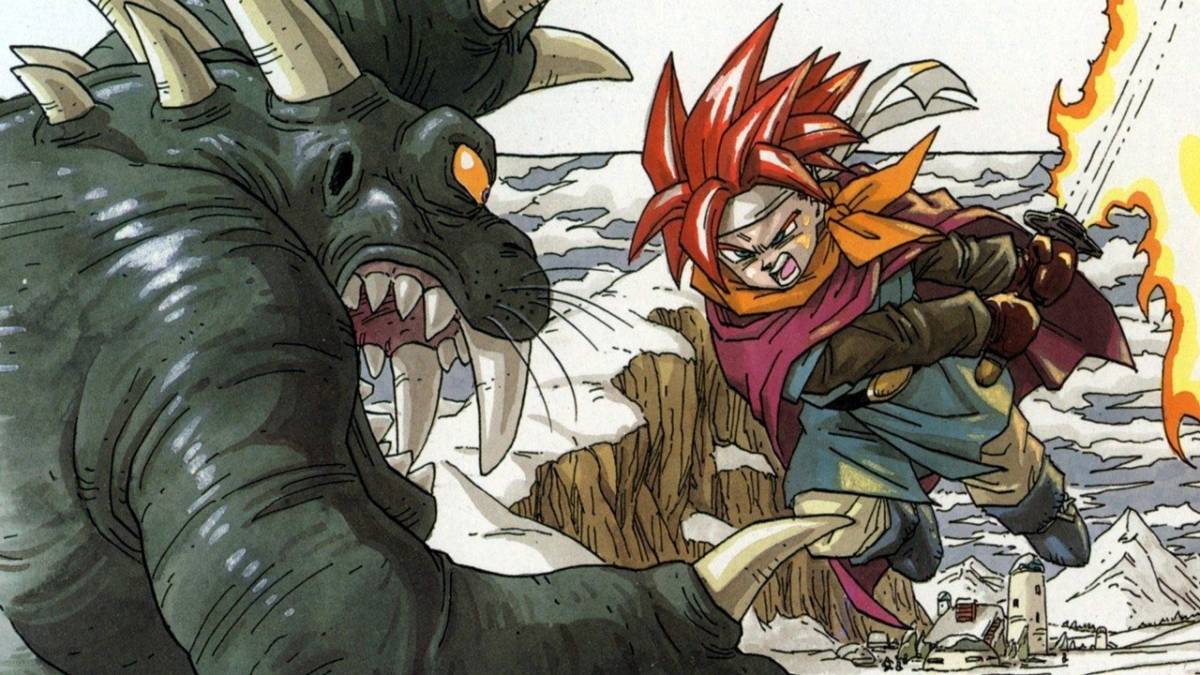
1st – Chrono Trigger
Okay, Cultured Vultures are looking pretty guilty of RPG bias here, going straight from Final Fantasy VI to this, but how could Chrono Trigger not be considered among the best games of the 90s? It’d be a crime. A time crime.
In a genre filled with ambition, creativity and great gameplay, Chrono Trigger manages to surpass nearly all of them with its sublime and zany time-hopping adventure. Quite how this one hasn’t been ported to all modern platforms already is perhaps the most baffling thing that Square Enix have ever done, and they released The Quiet Man.
Developed by what’s been lovingly referred to as a Dream Team, Chrono Trigger comes from a collaboration between Final Fantasy creator Hironobu Sakaguchi, Dragon Quest creator Yuji Horii, and Dragon Ball author/Dragon Quest character artist Akira Toriyama. With those three at the helm, is it any wonder Chrono Trigger has stood the test of time? The gameplay uses a similar ATB system as Final Fantasy, but the real innovation here is in the game’s story, which sees the party of characters from different periods in history trying to stop a powerful creature known as Lavos.
What’s impressive is how much decision making you get in deciding the fate of the game, making Chrono Trigger quite the highly replayable RPG.
1996
3rd – Crash Bandicoot
2nd – Resident Evil
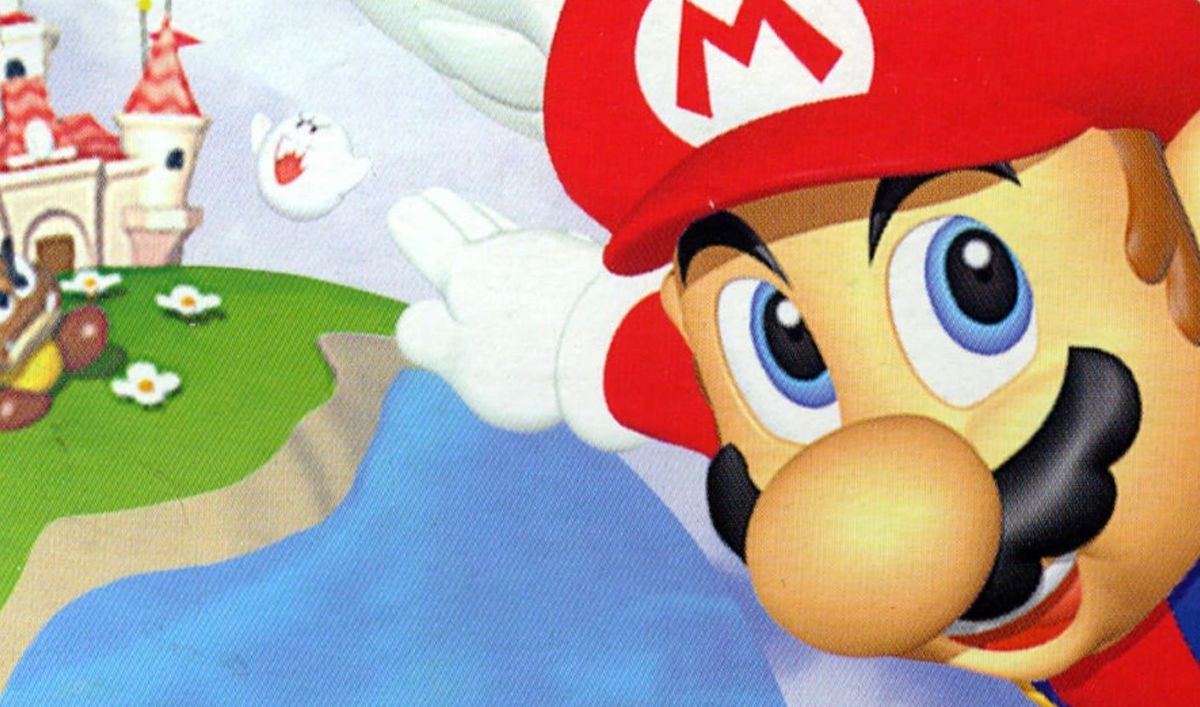
1st – Super Mario 64
We’ve now reached the part of the decade where the idea of collecting the best games of the 90s on a year by year basis gets a little bit dicey. Whether it’s due to all developers locking in from 1996 onwards instead of just a chosen few, or just the sheer proliferation and success of the gaming industry as a whole, there’s so many more banger games to choose from. Trying to choose between Resident Evil and Super Mario 64 is genuinely difficult, and if you’d rather it was Resident Evil, that’s fine by us. Or Crash Bandicoot, or Pokemon!
Resident Evil is a fundamental part of the survival horror genre, after all, but so is Super Mario 64 for the 3D platforming genre. Plus, Capcom massively improved Resident Evil with the remake a few years later, but you can argue that Nintendo has never topped Super Mario 64.
Like all good Mario games, Super Mario 64 is all about rescuing Princess Peach from the clutches of Bowser, but what set SM64 apart from other 3D platformers at the time is just how much freedom players had in exploring and progressing through the game and also how much better it played than all of its peers.
From Peach’s Castle to the over dozen levels that are filled with secrets and stars to collect, Super Mario 64 is an inventive and captivating platformer that’s always throwing new ideas and mechanics at you. The camera might be a bit dated by today’s standards, but unlike a lot of 3D platformers that have been released since SM64, this game is still highly replayable, even if you’re not planning on speedrunning and using every glitch imaginable. To put it simply, this is the gold standard of 3D platforming, and everything else has been chasing Super Mario 64’s shadow.
1997
3rd – GoldenEye 007
2nd – Final Fantasy VII
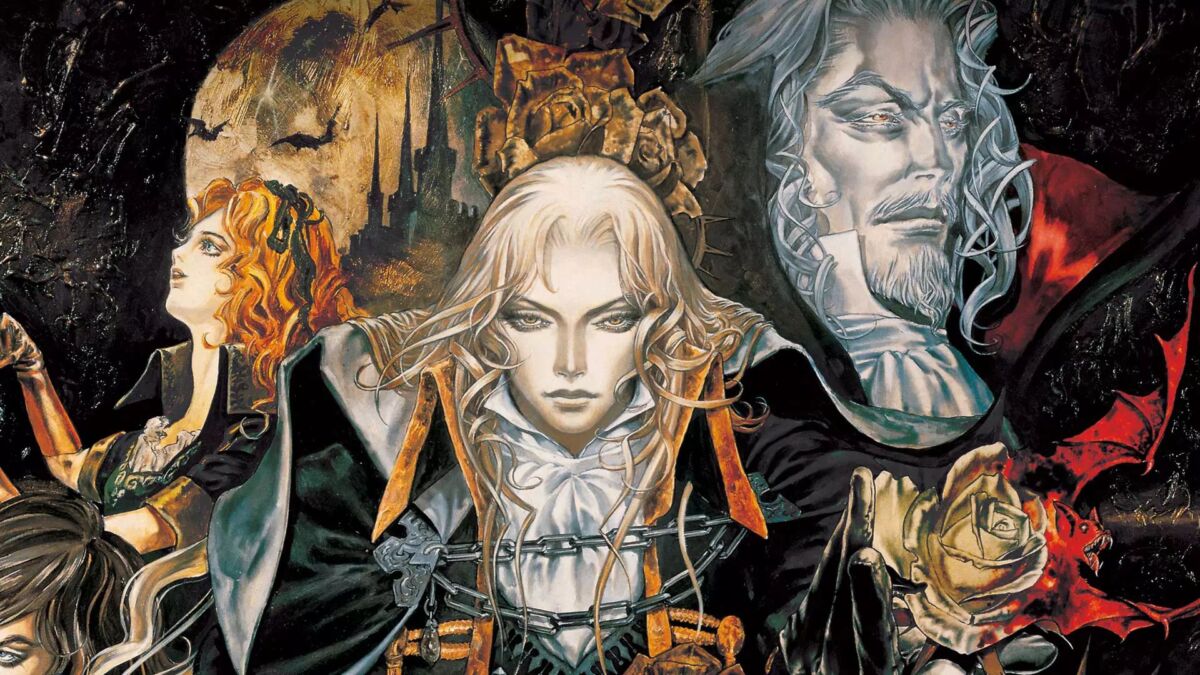
1st – Castlevania: Symphony of the Night
Castlevania had been kicking around for a while as an arcade action platformer, but Symphony of the Night represented a grand overhaul for the series. Sure, that “grand overhaul” could be considered by many as just “reheating the series’ own nachos with Castlevania 2: Simon’s Quest, plus Metroid of course”, but for whatever reason, the different elements of Symphony of the Night came together to create something greater than the sum of its parts.
To put it simply, Symphony of the Night is a showpiece for the entire series, and the one game people will recommend when trying to recruit new Metroidvania sickos. The fact it didn’t sell well on release is simply baffling to me, and that could be down to it being a 2D game in a 3D obsessed era. But the legacy that Symphony of the Night has left behind is truly undeniable.
A sequel to Castlevania: Rondo of Blood from 1993, SOTN sees a returning Alucard, son of Dracula, looking into the disappearance of mainstay protagonist Richter Belmont as Dracula’s Castle has mysteriously reappeared. Alucard basically rushes headfirst into the castle with the view of destroying it, with players spending the rest of the game exploring the vast halls of the Count’s keep.
As you explore and make progress, you find new items and abilities that’ll let you access even more areas of the castle. It’s a simple gameplay loop, amplified by the RPG mechanics that encourage you to engage in combat, making SOTN an action packed, difficult yet thoroughly enjoyable Metroidvania. Plus, the music and art style are phenomenal too. 10/10, all round, honestly.
1998
3rd – Resident Evil 2
2nd – Metal Gear Solid
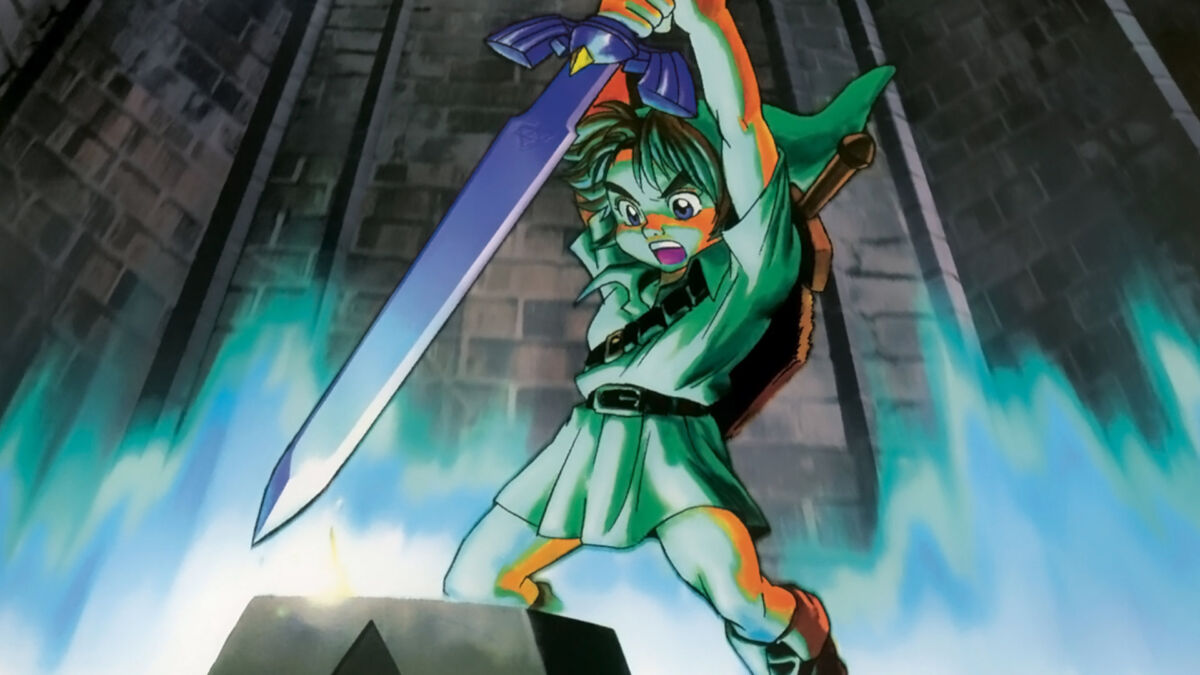
1st – The Legend Of Zelda: Ocarina Of Time
Possibly the most stacked year of the entire decade, there’s like 10 different contenders in 1998 alone that could be considered not only the best game of this year, but the best game of the decade. Soulcalibur, Tekken 3, Resident Evil 2, Banjo-Kazooie, Baldur’s Gate, Xenogears, F-Zero X…Half-Life? Just some of the games we haven’t mentioned at all. Yeah. Impossible. Really hard task. Subscribe to make us feel better.
Unfortunately for the rest of them, there’s only one game that’s empirically considered to be the best game of all time, and that happens to be The Legend Of Zelda: Ocarina Of Time. The only issue for us is that when you’ve got a game that’s universally beloved, we’re stuck with a game that everyone in the world has gushed about for nearly three decades already. Hard to gush in a new, original way, basically. For a series making its debut into 3D, Ocarina of Time is a confident and assured entry in a long-running and beloved adventure series.
A time-hopping adventure, Ocarina Of Time sees Link on a quest to save the realm of Hyrule from the evil king Ganondorf. Said quest will see Link as a young boy transported into the future as a young man, in a ruined version of Hyrule that’s genuinely nightmare-inducing if you’re playing the game as a five year old. Those ReDead are… haunting, to say the least. The pinnacle of adventuring and dungeon design, The Legend Of Zelda: Ocarina of Time overhauled its exploration and combat to work in the third dimension and it’s a formula games have been borrowing from ever since. And then, like two years later, they released a sequel that was almost as beloved. Simply, undeniably phenomenal stuff.
1999
3rd – Pokemon Gold & Silver
2nd – Tony Hawk’s Pro Skater
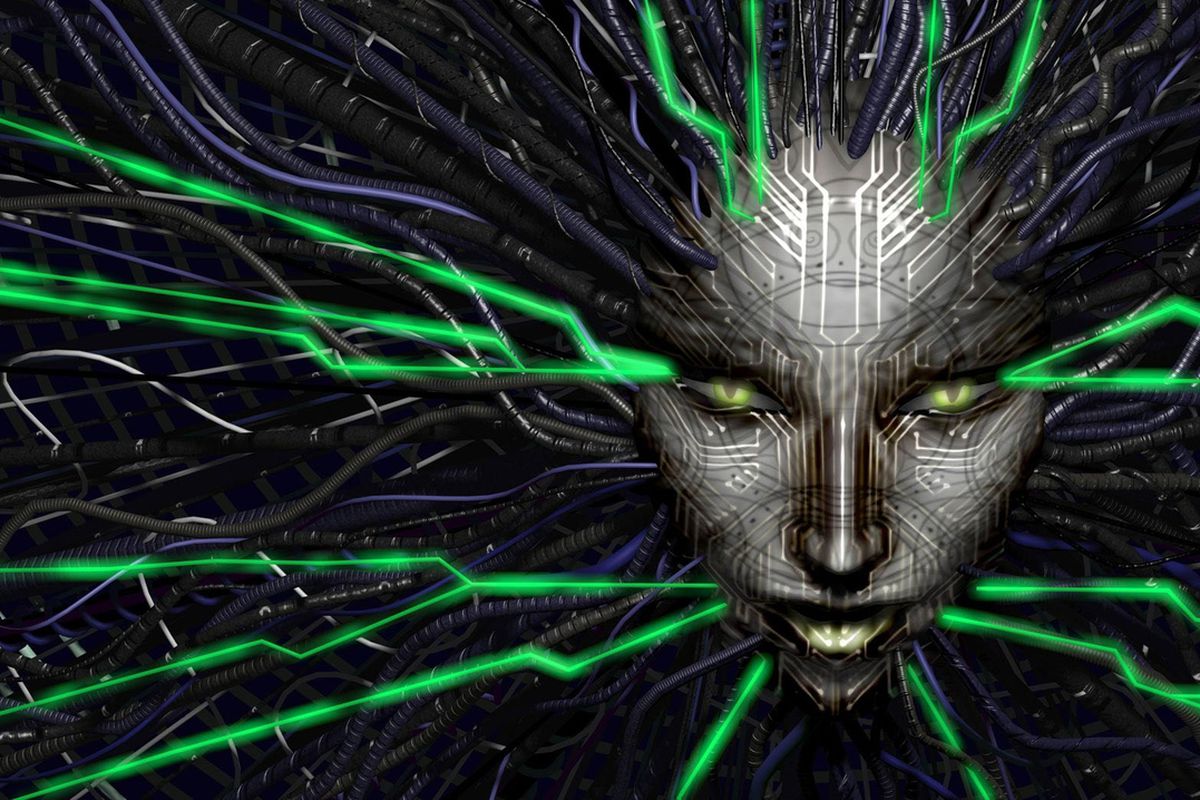
1st – System Shock 2
These days, it feels like the best games of any given year also happen to be huge commercial successes, but back in the 90s and even the 2000s, that wasn’t a guarantee. Just look at Okami in 2006: one of the best Zelda-inspired adventure games of all-time, but the original sales fell flatter than a Looney Tunes character hit with a steamroller. The same is true for the best game of 1999, System Shock 2, as while it reviewed incredibly strongly when it launched in August, it feels like System Shock as a whole only received its deserved acclaim as soon as spiritual successor BioShock launched about eight years later. Really, eight years might be a long time, but so long as people ultimately recognise System Shock 2 as one of the biggest whippers of the decade, it’s all good, right?
A sequel to the 1994 sci-fi shooter with RPG and survival horror elements. System Shock 2 is set decades after the events of the original game, with an unnamed soldier encountering a mutant parasitic threat on a faraway planet, only to run into some familiar enemies in the process. What makes System Shock such a joy is that it gives players the ability to approach most situations in a bunch of different ways, depending on what skills and weapons you want to utilise. Stealth, guns, melee attacks, tech and upgradable skills; System Shock 2 gives players a futuristic playground with which to carve their own path.
Again, its DNA would end being up in BioShock years later, which became a much bigger hit, but with Nightdive’s incredible remake and remasters of the System Shock games, there’s never been a better time to revisit the classics.
READ NEXT: 50 Best NES Games of All Time
Some of the coverage you find on Cultured Vultures contains affiliate links, which provide us with small commissions based on purchases made from visiting our site.