


I’m going to borrow a quote from Joe Lanza of Voices of Wrestling: “Vince McMahon has been spending decades telling us that what he does isn’t pro wrestling. It’s time that we started listening to him.”
It seems like a bit of a weird thing to say, eh? After all, we wrestling fans have constantly mocked McMahon for insisting that his company produces an art-form known as ‘sports-entertainment’ when he is clearly the owner of the world’s biggest wrestling promotion. Like, what the hell even is ‘sports-entertainment?’
Many have argued that WWE is neither sports-like nor entertaining, hence the name is unsuitable. I get it, though: physical contests are combined with TV drama, you smoosh the two genres together and ‘sports-entertainment’ is the name you end up with. And as wrestling fans we’ve accepted Vince McMahon’s branded names for otherwise non-branded things for a long time: there are no fans, there is the ‘WWE Universe’, there are no wrestlers there are ‘superstars’, belts are ‘championship titles’, hospitals are ‘local medical facilities’, tag team breakups are ‘best friends turned bitter enemies’, etc.
None of this mattered to us because we always knew that WWE was indeed professional wrestling at its core, no matter what ‘The Chairman’ said.
I don’t think we can claim to know this anymore. Have a watch of WWE TV and analyse what the focus of the show is; that focus is certainly not professional wrestling or anything related to it.
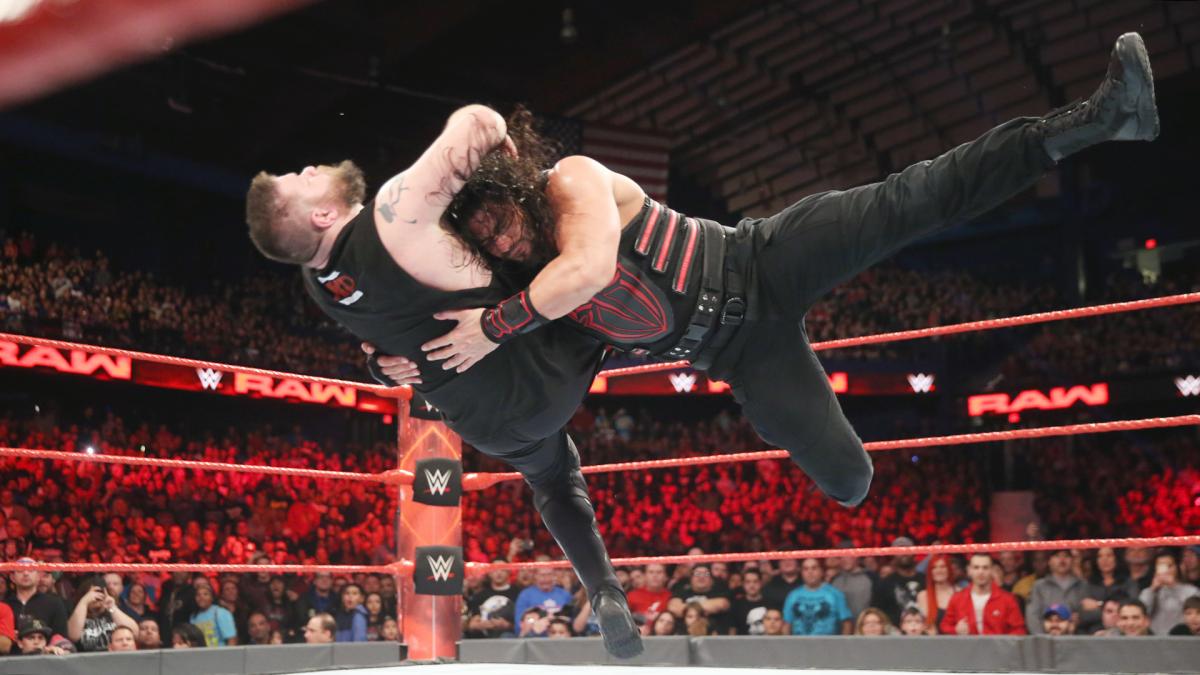
Pro wrestling is a simulated combat sport where competitors have matches and try to win them. These matches have rules that must be followed and if you don’t follow these rules you will be disqualified and thus forfeit the match. If a wrestler wins a match, their stock increases and they move up in the rankings with the opposite happening if that wrestler loses. When a wrestler wins enough matches, they may earn a title shot and challenge for a championship belt. If they win this belt, they are considered the pinnacle of the division that the belt represents. A pro wrestling company books matches based on win/loss records in order to sell the most amount of tickets they can and to draw the biggest TV and PPV audience possible.
WWE RAW, WWE SmackDown and WWE NXT are weekly TV shows featuring zany, over-the-top characters who sometimes attempt to settle emotional disputes and broken friendships via physical competitions that have a liquid set of rules. These highly choreographed sequences take place in a variety of environments including rings, graveyards, supermarkets and alternate dimensions. These characters also participate in interviews, have arguments, perform monologues and try to be funny. A few featured on the shows are in possession of championships. From time to time, other characters may want to challenge for the right to hold these championships but this normally only happens if they have a personal issue with the current holder. The standard set of these programs is an arena filled with brightly coloured LED boards, bathed in lights and lasers with a ring at its centre. It also includes an extensive backstage area consisting of change rooms, hallways and equipment boxes.
It is rumoured that Vince McMahon once said in the 80s that he wanted to find a way to eliminate matches from his programming, and despite the fact that he hasn’t been able to completely do so (yet), he’s erased a lot of the traditional wrestling aspects that the company once had. Make no mistake, WWWF in the 1970s was one of, if not the least sports-like wrestling company of its era with a much greater focus on gimmicks and stereotypes in contrast to the action focussed programming of a lot of the other NWA affiliated promotions. However, the product was still dominated by in-ring competition and a wrestlers’ success or failure was dependent on their performance in matches.
Vincent K. McMahon took over from his father in 1980, and the product has adjusted the balance of wrestling vs. entertainment as the demands of the audience have evolved. However since 1989 McMahon has never considered his company as one that presents professional wrestling, instead opting for the aforementioned sports-entertainment classification.
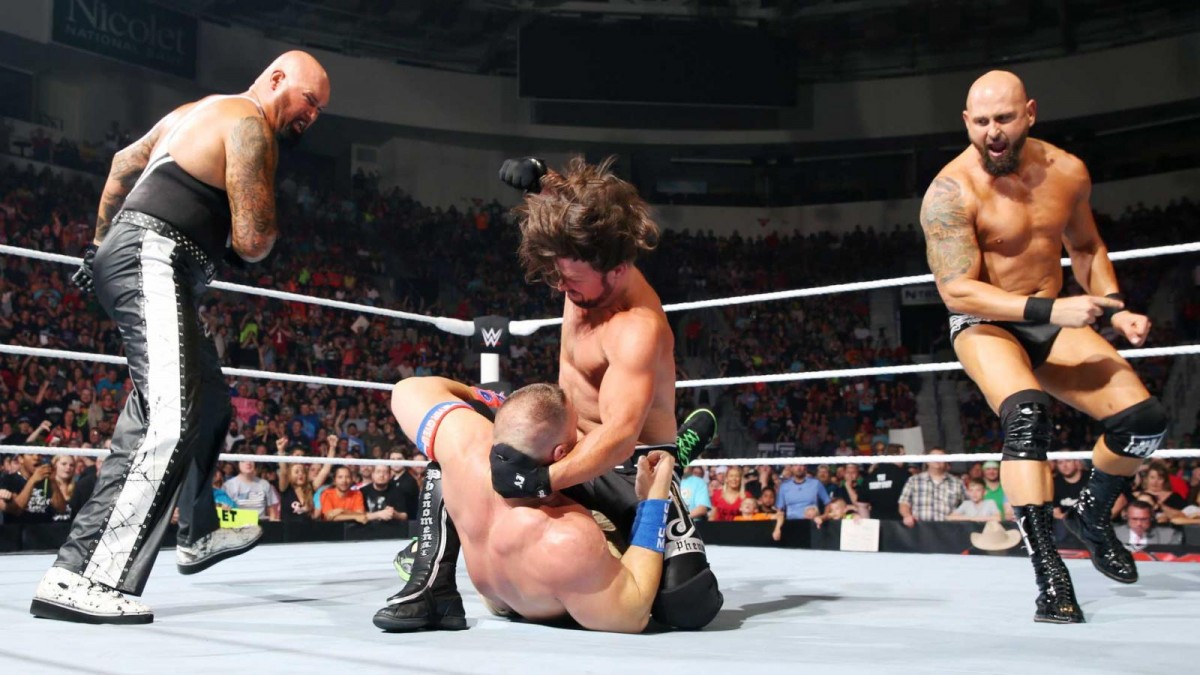
The last resurgence of a pro wrestling based philosophy within WWE took place around 2011 when the independent wrestling boom coincided with the elevation of CM Punk and Daniel Bryan to a somewhat main event status within the company. WWE management suddenly realised that wrestlers with prior experience in other companies could be valuable assets, mostly due to them already being technically proficient. This led to WWE raiding the U.S., Japanese and European scenes in the following years, though it became clear as time went on that WWE was far more interested in depleting the rosters of other companies, rather than strengthening its own.
The talents sourced from other places were mostly stripped of their identities and rebuilt as WWE brands. AEW formed as the mainstream wrestling alternative in 2019 and various independent U.S. and Japanese wrestling promotions got financial backing from interested corporations after many television broadcasters suddenly became in dire need of new live and live-to-tape programming. WWE got paid billions of dollars to produce pro wrestling as well, but nonetheless continued their transition into an entity mostly specialising in content creation.
So why do wrestling fans continue to talk about WWE? Well, some still see a resemblance to pro wrestling contained within the product and others agree with Vince McMahon and feel that wrestling is a dying art form and that WWE is heading in an innovative direction that will yield future success. However, most ex-fans just want the company to produce pro wrestling again and in the meantime they’ll follow one of the craziest and most unpredictable corporations in the world from a safe distance, uninvested but somewhat curious, simultaneously laughing and crying at its happenings.
READ NEXT: 10 Best WWE Matches Of 2020
Some of the coverage you find on Cultured Vultures contains affiliate links, which provide us with small commissions based on purchases made from visiting our site.