


There aren’t many games that have turned me into an emotional wreck quite like Telltale’s The Walking Dead has. Over both of its seasons so far, it’s managed to be an emotionally manipulative work of art that has left a lasting impression, long after the credits have rolled on their finale episodes. It manages to invoke emotions like the show and graphic novels never could.
About halfway through the second season of The Walking Dead, however, the cracks started to show. Telltale are capable of remarkable feats of storytelling, but there are some aspects of what they do that are bringing down the overall picture. After the messy launch of their vision of Batman, season three of The Walking Dead could be make or break for them. Sure, people will still buy it, but there’s growing contention among their fans, which will only get louder and louder if things aren’t addressed.
With it due to come out this year, here’s what we want to see from the third season of Telltale’s The Walking Dead. Any to add or do you disagree? Let us know.
1. A stable engine

The main priority. During the first season, hiccups were excusable as you were wrapped up in the captivating drama of a man and his “adopted” daughter. Lee is long gone, Clementine is now growing into a woman, but the Telltale engine still creaks and chugs along.
It really takes you out of the experience to keep noticing slowdown, framerate issues, and sometimes even crashes. Telltale are trying to tell stories, but it’s like watching an old DVD with scratches on the disc at times. If Batman is anything to go by, the engine might still show its age. Here’s hoping they can fix it up with some duct tape and glue before season three launches.
2. Gratuitous cameos
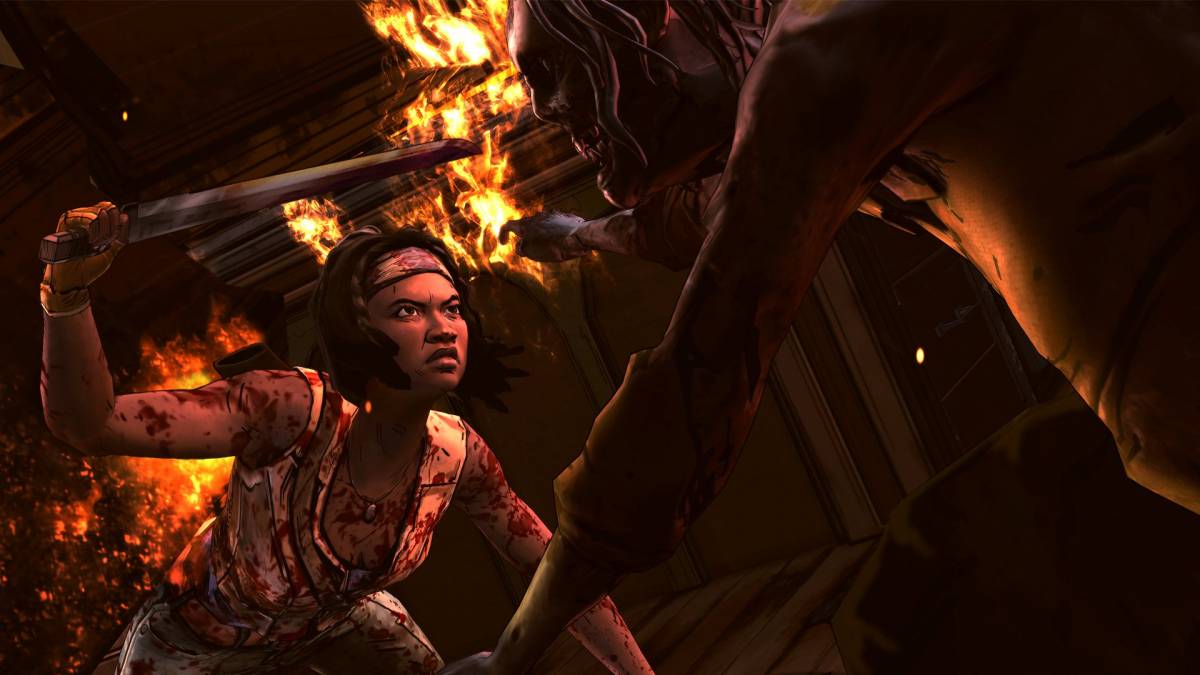
Robert Kirkman has revealed that the upcoming season will take place near the current timeline of the comics, which throws up a million possibilities. Who will Clementine bump into? It’s unlikely that the storyline of the game will have an impact on that of the main canon, but seeing the two collide would make for very interest playing.
As much as we may want it, it’s unlikely that we will be seeing a digital version of Rick Grimes in season three. However, the chance to get caught up in a dialogue tree with a supporting character could prove to be a might fine carrot to dangle for those undecided about the game. Michonne seems the most likely candidate, considering we already played her in a spin-off Telltale game.
3. Your choices actually matter

Something that initially hooked me on the universes that Telltale magic up is how each of your decisions are supposed to change the story. That’s not quite true – you can typically only really determine who dies in a finale and your choices up to that point don’t have much sway on the overall route to the closing credits.
It’s becoming a little too linear and predictable. When I confront a fellow survivor in episode one about stealing my strawberry jam, I want how I deal with the situation to open up a lot of possibilities. If I banish them, they could turn up later with a rival group. Killing them could result in Clementine becoming even colder and more distant throughout the season. Or perhaps it could even be a choice between Clem and Javier doing the deed. Every choice should have a consequence.
4. Javier should be worth caring about

I don’t think I’m alone in thinking season two of Telltale’s The Walking Dead wasn’t quite as good as the first season for one very simple reason: a lack of Lee. He was the anchor, the driving force, and without him, the game lacked the same heart. As capable as her (temporary) father figure replacement was, Luke didn’t quite step up in the same way.
Javier, the other playable character for season three, may not prove to be a father figure to Clem, but he should certainly be someone worth caring about. How Telltale manage to do this in a world where death is around every corner is up for them to decide, though if Javier’s backstory and personality is fleshed out enough, his almost inevitable death will carry a lot of weight.
5. Give control back to the player
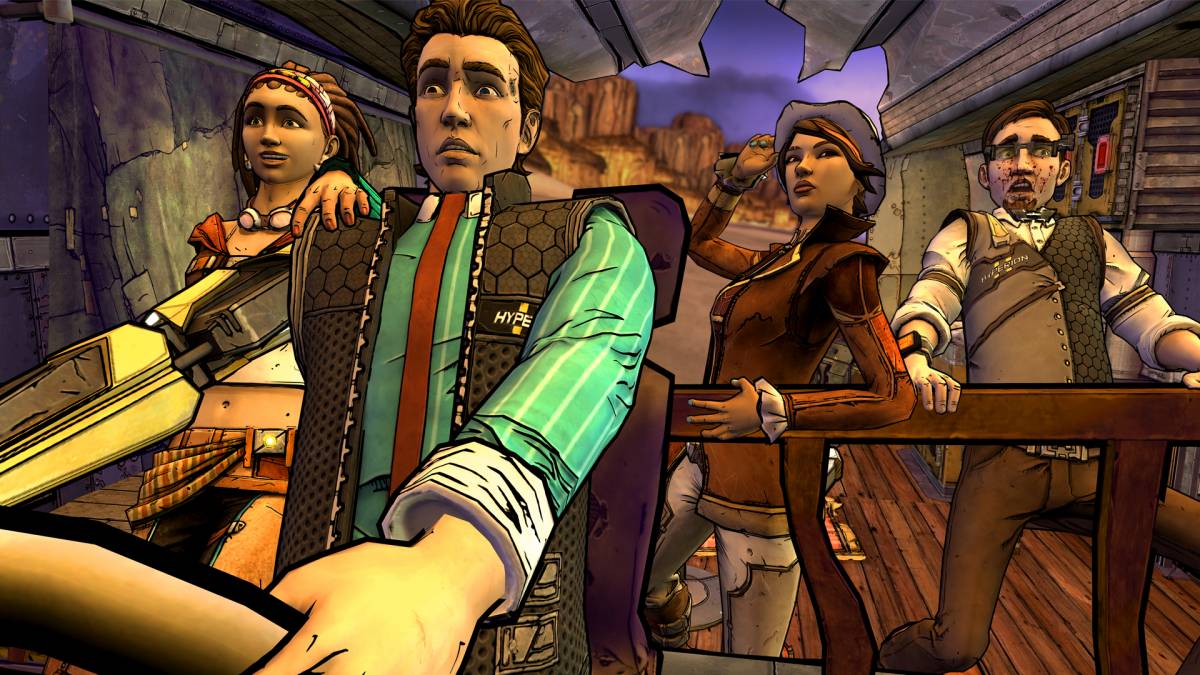
As well as being one of the funniest games ever made, Telltale’s Tales from the Borderlands owes a lot of its success to just how much control the player has during gameplay. Aside from one or two fairly straightforward shooting sequences, The Walking Dead has never strayed far from its QTE foundations.
For season three, that should change. Introducing RPG elements, such as supply rationing, would be welcome, along with mechanics like defense building, more accurate shooting, and just a general sense that you’re more than simply a walking avatar on its way towards the next story thread.
What else should Telltale tackle after this season? Here are our picks.
Some of the coverage you find on Cultured Vultures contains affiliate links, which provide us with small commissions based on purchases made from visiting our site.