

The Super Nintendo was home to many amazing genres, even some first-person shooter games somehow. Go check that out after. But few genres were as well repped as the shoot ‘em up. Or shmup. Or shooter. Or uppies. Or Smosh Pokemon Theme Song, or whatever you want to call them. Here are the shoot em ups that every SNES fan should own. Quite the layup there.
Axelay
Konami’s early SNES output really had the sauce from the start. Released in 1992, Axelay arrived when developers were still figuring out what the hardware was good at. Instead of chasing arcade accuracy, Konami decided to focus on the console’s Mode 7 capabilities. As well as having you go up against the impossibly rad sounding “Armada of Annihilation”.
The vertical stages use a scaling effect that gives the illusion of depth as the ground rolls and tilts beneath you. It’s not true 3D, but in 1992 it looked futuristic. Crucially, Axelay doesn’t rely on the gimmick. It alternates between those pseudo-3D vertical levels and more traditional horizontal sections, which keeps the pacing varied and the design sharp.
The three-weapon loadout system is pretty neat stuff. You choose your loadout before each stage and cannot freely swap between weapons mid-run. Lose a life and that weapon tier is gone. It’s a subtle but effective design choice that stops you from brute-forcing encounters and introduces a nice bit of tension.
Reception at the time was strong. Contemporary magazines praised its bloody lovely visuals and technical ambition, though some criticised its relatively short length. Over time, its reputation has stabilised as one of the SNES’s standout exclusives. Yeah, it’s not necessarily the deepest shooter ever made, but is undeniably one of the system’s defining technical showcases.
Axelay has been ported a few times and is quite easy to find today, but a sequel never materialised. Aleste, poor yorick.
Super Aleste
Super Aleste is loud, explosive, and completely fine with making your eyes go a bit wibbly wobbly, but in a fun way. It was developed by Compile — the studio later famous for Puyo Puyo — and they specialised in overwhelming firepower paired with actually being able to figure out what is going on.
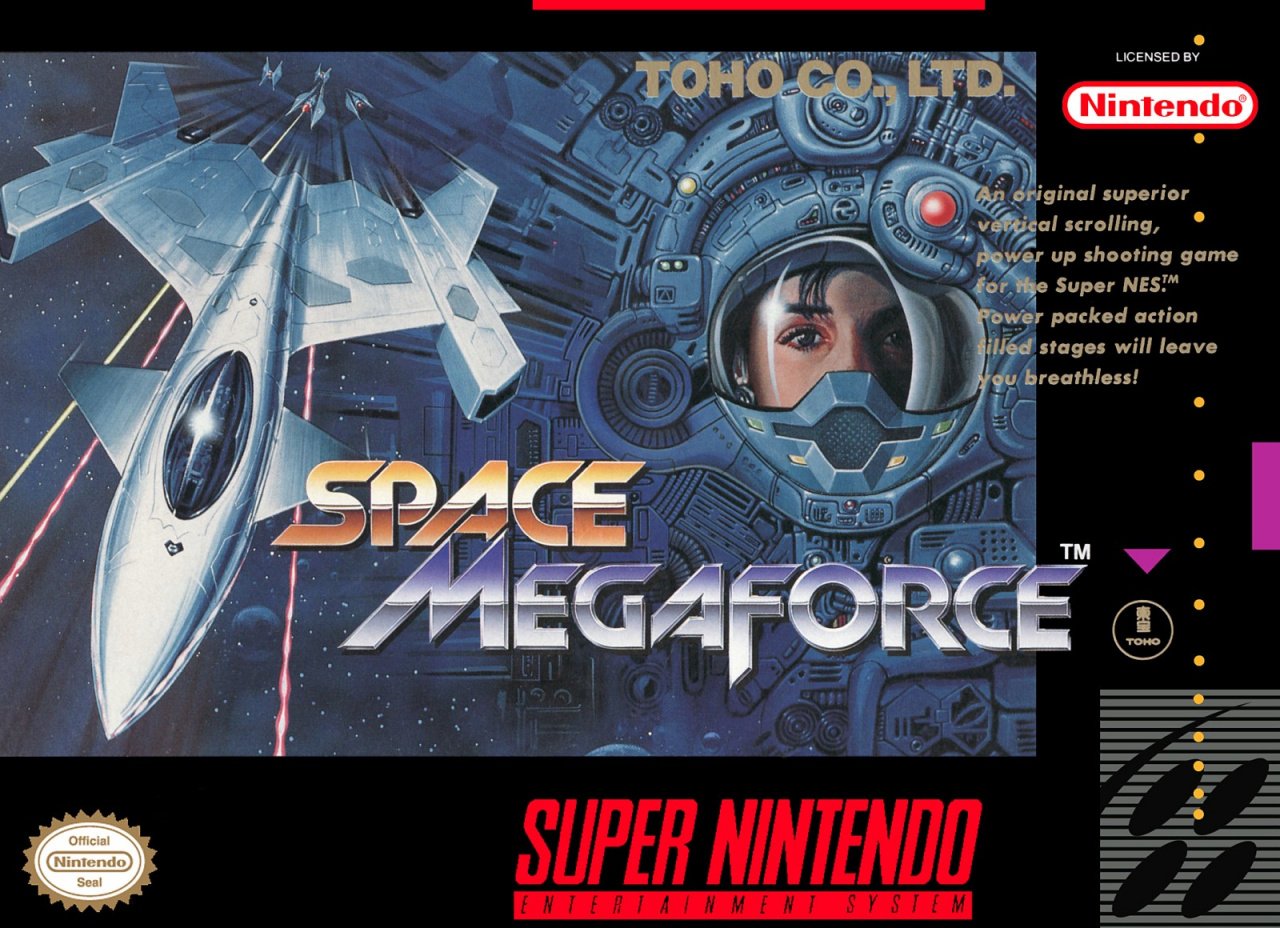
Also known as the pretty rad Space Megaforce in Freedom Land, you’re juggling lasers, homing shots, spread blasts, and screen-clearing bombs, and each upgrade changes how you approach a stage. Set in 2048, which is basically two weeks away, the game encourages experimentation rather than strict memorisation. You don’t have to be like positionally pixel perfect to live, just on the ball.
Technically, it pushes the SNES pretty much to its limit. Slowdown is quite common when things get a bit hectic but many players argue it actually works in the game’s favour, buying breathing room during heavy sections. I’m not sure that would fly these days in an era where some people demand blood if a game slips to 59fps but hey.
Critical reception at the time was generally positive, though not explosive. US reviews under the Space Megaforce name praised the weapon system and audiovisual punch, but some critics found it less distinct than arcade contemporaries. Among enthusiasts, Super Aleste is often regarded as one of the SNES’s purest, most satisfying shooters. It’s just a super fun shmup that you will be a total blast for a few hours.
Not a blast if you like copyright laws though, as the Japanese versions had a lot of “homages” to New Order songs that had to be removed for the western release. UNbelievable.
UN Squadron
You might not know this, but UN Squadron isn’t an original concept. You see, it’s based on Kaoru Shintani’s manga Area 88, a surprisingly bleak series about mercenary fighter pilots. You probably didn’t know cos of the name, but also because the game removed a lot of the darker themes.
Capcom had already adapted Area 88 into an arcade shooter in 1989, but the SNES version isn’t a straight port. It’s a substantial redesign built specifically for home play.
That redesign is why it works so well.
Instead of a linear arcade credit-feed, the SNES version introduces a mission map and an economy. You earn money, purchase aircraft, and invest in weapons between sorties. Different pilots have different stats, altering speed, firepower, and survivability. It adds light RPG progression, but the core is ultimately about blowing stuff up.
Enemy patterns are aggressive but fair, bosses have personality, and difficulty scales with your purchasing decisions. If you overspend or pick the wrong loadout, you feel as stupid as someone buying GameStop stock in 2026.
At release, reviews were strong. Contemporary magazines praised its depth compared to typical console shooters and highlighted its replay value. Over time, it’s arguably become the SNES horizontal shooter most often recommended to newcomers. Not the most technically flashy, not the rarest, but the most complete.
Its legacy is interesting because Capcom, or many devs, rarely revisited this specific formula. UN Squadron asks the question: what if we hybridised arcade shooting with role-playing? To speak a bit of Welsh: it is da iawn.
Parodious: From Myth To Laughter (Parodius Da)
Penguins in waistcoats. Octopi with expressive eyebrows. Ballet-dancing bosses. That’s what you should expect here. But also Gradius.
Parodius began life as a parody of Konami’s own Gradius series created by students for the MSX, but by the time it reached the Super Famicom, it had matured into something that was actually a serious bit of fun. The power-up bar system remains intact, demanding smart resource management. You’re still juggling speed-ups, missiles, lasers, and options, except now you might be flying as a penguin or a sentient girl in a bubble. Where’s your flying penguins Naughty Dog, you frauds?
Beyond the overt daftness of shooting as giant Vegas dancers, Konami’s shmup development pedigree shows in From Myth To Laughter. Enemy patterns are dense but readable, boss fights escalate intelligently, and difficulty ramps in that familiar Konami curve: manageable, then ouch my hands are on fire. If you like suffering, you will like this one too.
Critical reception in Japan was strong, and while Western exposure was more limited, import circles quickly embraced it. Retrospectively, it’s considered one of the most refined console entries in the Parodius line, and is also probably a lot more playable in front of your mum than later games.
Legacy-wise, Parodius demonstrated that humour and mechanical depth aren’t mutually exclusive. If you’ve never played it, you’re twin for a treat.
Darius Twin
If most SNES shooters feel like they’re trying to prove something technically, Darius Twin just wants you to have some no-frills fun. Developed by Taito as a home-focused entry in its long-running Darius series, it trades the arcade’s ultra-wide dual-screen spectacle for something a lot damper.
The hook, oi oi, is mechanical sea life. There are weird fish guys all over the place. Giant robotic fish bosses dominate each stage, escalating from manageable curiosities into screen-filling monstrosities. There’s a steady rhythm to the encounters: waves of enemies, power-up capsules, then a dramatic boss theme swell.
Where Darius Twin earns its keep is two-player co-op. It’s stable, readable, and less punishing than some arcade entries. Shield management matters more than twitch reflexes, and the branching stage paths — a Darius staple — give replay value without overwhelming first-time players.
Reviews tended to describe it as solid rather than groundbreaking, particularly compared to flashier contemporaries. Some critics noted it lacked the spectacle of the arcade versions. But if you’re looking for a straightforward game to jump into with friends, it’s one of the SNES’s most dependable couch co-op shooters.
Darius Twin often gets overshadowed by later entries like Darius Gaiden, but it’s not that expensive to pick up as a loose copy and is a fun way to spend an afternoon.
R-Type III: The Third Lightning
Arriving pretty late on in the SNES’ life in 1994, R-Type III doesn’t try to impress you in the first thirty seconds. It doesn’t flood the screen with fireworks or throw experimental camera tricks at you. It waits to dole out the pain instead.
Developed by Tamtex for the SNES rather than as a straight arcade conversion, The Third Lightning is a purpose-built home entry. You will maybe die a little less than if you were chucking coins around the place, but make no mistake: you will still die.
The defining mechanic remains the Force pod: a detachable, indestructible satellite weapon that can be mounted front or back or launched independently. R-Type III expands the system with new Force variants and charge attacks, giving players more tactical options than earlier entries. Positioning becomes everything, and if you even think about farting in the wrong pixel, best of luck.
Technically, it’s really quite impressive stuff here. Detailed sprite work, dramatic boss designs, and a moody soundtrack give it weight. Granted, yeah, there’s occasional slowdown under pressure, but unlike earlier SNES attempts at arcade ports, it feels like they were squeezing everything out of the console.
Critical reception at the time was positive but acknowledged its steep difficulty curve. Retrospectively, it’s often considered the strongest R-Type on the platform and one of the SNES’s most refined shooters. It doesn’t have the arcade legend of R-Type II or the later PlayStation spectacle of R-Type Delta, but within 16-bit land, it stands tall.
If you can’t stand the graphics, for whatever reason, you can play the remake that’s coming out this May? Nobody’s forcing you, mind.
Super Earth Defense Force
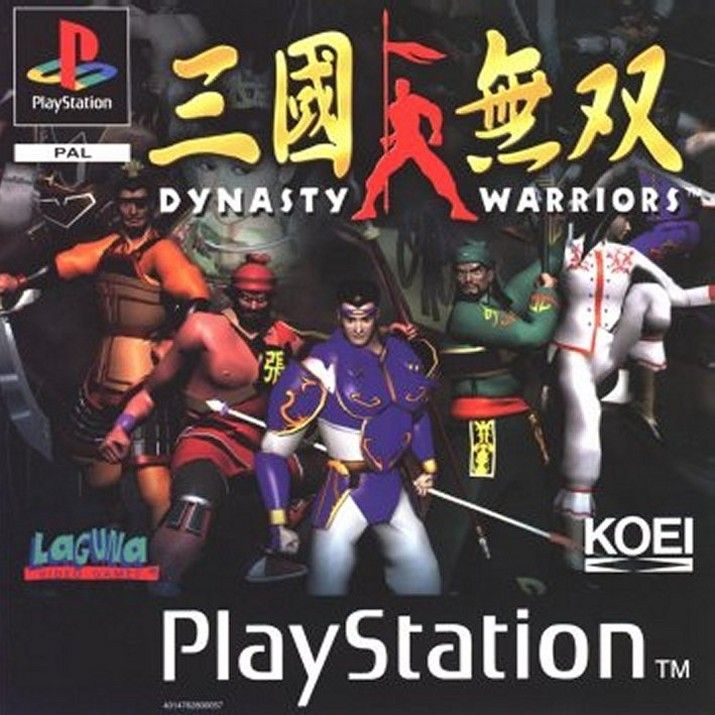
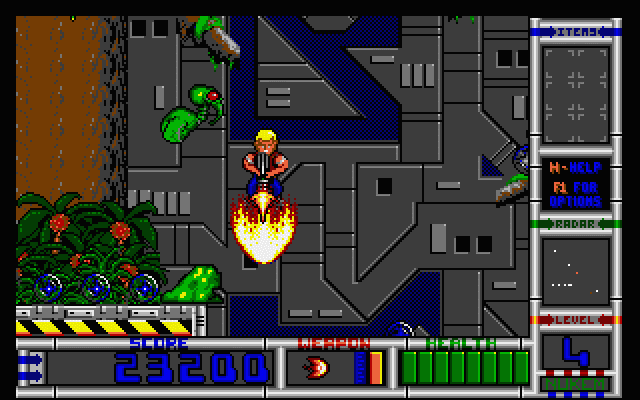
Unlike how Dynasty Warriors used to be a fighting game or that Duke Nukem was previously a sexually inert side-scroller, the Earth Defense Force you know today was never actually a shmup. This has nothing to do with that at all, as it’s a different IP entirely.
Super E.D.F., developed by Jaleco, is a straight-faced vertical shooter built for the early SNES era, but it does have a few neat ideas. You will never guess what force you’re in and what you’re defending though.
You rotate between multiple weapon types on the fly, each suited to different formations and boss patterns. That’s basically the whole thing. You’re not just hammering the fire button and hoping for the best — you’ve actually got to switch weapons at the right time or it all falls apart pretty quickly. But you can also upgrade your weapons by performing well.
Visually, it has that chunky early-SNES aesthetic, with bold sprites, thick outlines, and screen-filling bosses that feel imposing even if they only actually very slightly move. There’s a slight stiffness compared to later 16-bit shooters, but projectiles are readable, hitboxes feel fair, and the pacing rarely drags.
At release, reception was generally solid but unspectacular, though Famitsu weren’t really a fan. Reviews praised its reliability and weapon system but didn’t frame it as groundbreaking. In hindsight, that steadiness is exactly why it endures. It’s not trying to outdo Axelay technically or R-Type strategically — it’s just a tightly built vertical shooter that focuses on giving you a good time.
Legacy-wise, it’s often overlooked in favour of flashier titles, yet among shmup enthusiasts it’s regarded as one of the SNES’s stronger early examples of the genre done right.
Phalanx
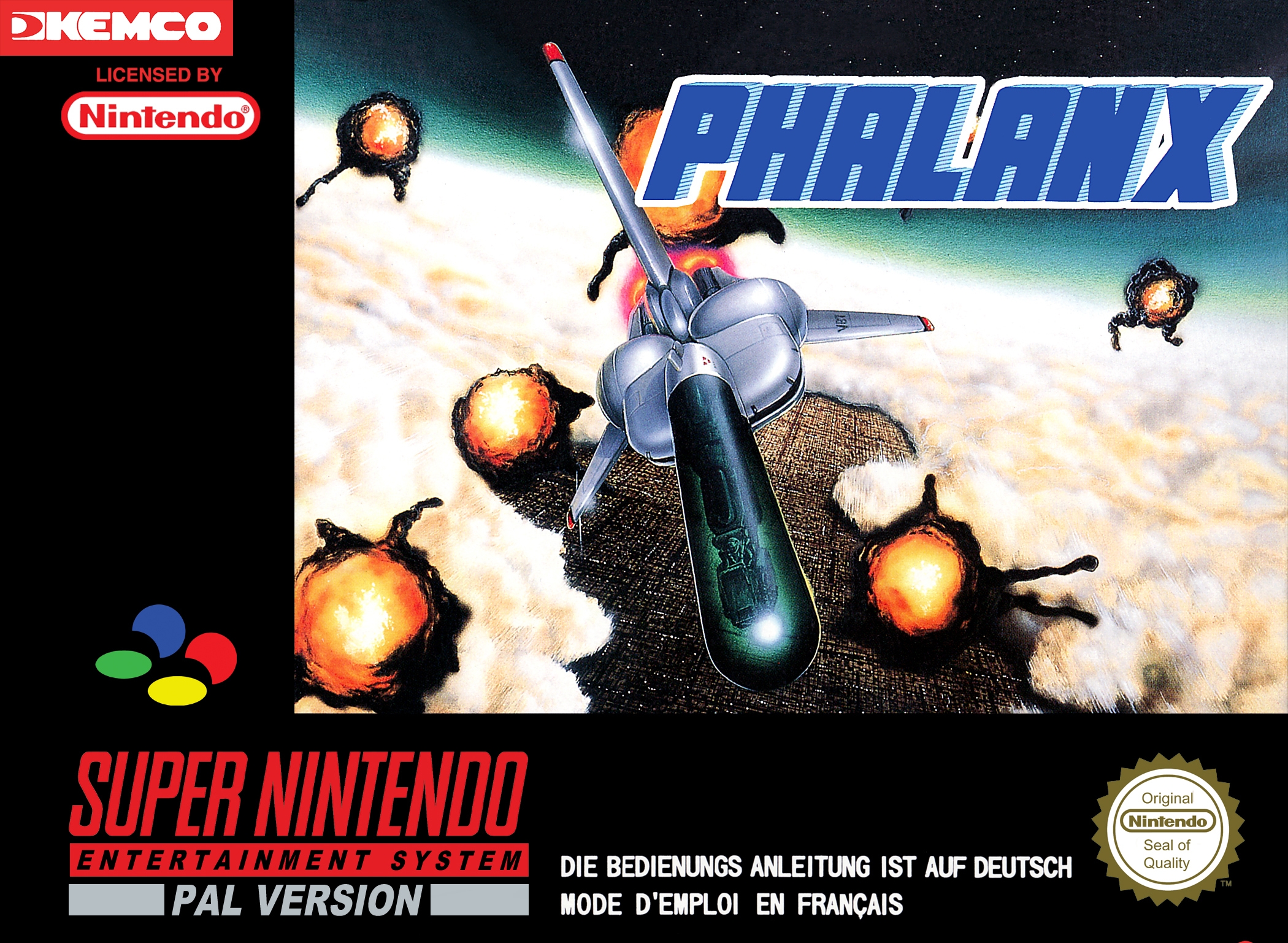
If you grew up with the SNES in the US, you probably remember Phalanx for one reason: an elderly man playing a banjo on the box art. Apparently, they chose it to get people talking and look, 30 years on, we’re doing just that.
The actual game has absolutely nothing to do with banjos, though. Somebody really needs to make a shmup where you’re a banjo fighting against lesser instruments, like the, I dunno…lute. Yeah, fuck lutes.
Developed by Zoom and with completely different box art elsewhere, Phalanx is a traditional horizontal shooter with a serious tone and a fairly demanding difficulty curve. You control the A-144 Valkyrie fighter through biomechanical alien environments, juggling speed upgrades, shield pickups, and weapon enhancements. There’s no gimmick system here — it’s about tight control and pattern recognition.
Phalanx just feels really solid as far as SNES shmups. The enemy waves are laid out cleanly, the bosses are big but easy enough to read, and when you get hit it never feels cheap. It’s not doing flashy Mode 7 stuff like Axelay, and it’s not chucking fifty weapons at you like Super Aleste. It’s just tight, fair, and steadily ramps things up without messing about.
Reception at the time was solid but muted. Reviews often praised its control and challenge but didn’t treat it as like a, you know, system seller. Over time, it’s gained a bit of cult status — partly because of the box art, partly because players who revisit it realise it’s far better than its presentation suggested.
Phalanx sits in that respectable second tier of SNES shooters: not iconic, not rare, just very good, and that’s often more than enough. Not every game needs top grades.
Gradius III
Gradius III on the SNES is a strange beast. On one hand, it’s one of the console’s earliest major shooters, and one of the best. I didn’t realise how many times I put one in that sentence. What am I, binary Jet Li? It’s a near-arcade conversion of Konami’s 1989 coin-op, but is also made more accessible. On that other hand we’ve got spare though, it’s infamous for one thing: slowdown. Proper, game-halting slowdown when the screen gets busy.
And it gets busy a lot.
The SNES port was ambitious, to say the least. Huge sprites, layered backgrounds, screen-filling bosses, and that classic Gradius power-up bar system intact. You’re still juggling speed-ups, missiles, lasers, and all that fun stuff. When it’s flowing, it feels great. When multiple Moai heads start firing rings and the frame rate dips into single digits, you feel the hardware straining.
At release, reception was broadly positive. Early reviews praised its arcade authenticity and scale, especially so early in the SNES lifecycle. The slowdown was noted even then, but in 1990 it felt more like a technical limitation than a fatal flaw. Over time, though, that performance has become a bit harder to ignore.
What’s interesting is that beneath the slowdown is a genuinely very, very strong Gradius entry. The level design is creative, the difficulty curve is sharp, and it maintains that trademark Konami escalation, while also boasting very impressive. parallax scrolling and rich color depth
Gradius III is a foundational SNES shooter, but also a reminder of how ambitious early 16-bit ports could outpace the hardware. Luckily, fan-made ROM hacks have dealt with that for many years.
Super Dimension Fortress Macross: Scrambled Valkyrie
This is the one SNES shooter people mention with a slight nod, like they’re about to recommend a good bottle of wine or a proper nice meal deal. Its name really makes me want some eggs.
Developed by the always fun to say Winkysoft and released only in Japan, Scrambled Valkyrie never got a Western localisation, which instantly gave it that import mystique. But unlike a lot of import hyped games, this one actually backs it up.
Macross, for anyone not deep in 80s anime lore, is a long-running Japanese sci-fi series built around transforming fighter jets — the Valkyries — caught in large-scale space wars. Planes can shift between jet, hybrid, and humanoid robot modes mid-combat. It’s Transformers in space.
You choose between three pilots, each with distinct weapon styles and stat differences. The Valkyrie fighters can transform between forms, altering shot patterns and movement behaviour mid-stage. You’re constantly deciding whether you need tighter movement, wider coverage, or heavier firepower.
Its legacy has grown largely through word of mouth and import culture, but it’s never received a port to anything. Macross in general just never really seems to come to the west, but we do have Robotech here instead.
In Japan, it was well received, and retrospectively it’s frequently cited by shmup enthusiasts as one of the SNES’s best pure shooters. It’s ust extremely well made, and you can find it very easily online with some simple search engine usage. Matey.
READ NEXT: GBA Hidden Bangers You Should Play
Some of the coverage you find on Cultured Vultures contains affiliate links, which provide us with small commissions based on purchases made from visiting our site.