



Project Songbird is a game that feels familiar, but also manages to capture something I didn’t quite expect — a certain feeling that’s hard to put my finger on. Created by Connor Rush under the banner of Fyre Games, this is largely a solo-developed project. Rush has worked on titles like Summerland and We Never Left, but this is easily his most ambitious game to date. And with over 20,000 wishlists on Steam, how does it hold up?
The game opens with a charming and unique sequence where we find ourselves in an apartment clearly inspired by Silent Hill 4. We head over to a computer, and the developer talks us through the setup — brightness settings and other basic options. Throughout the game, they return to check in, asking if we’re enjoying it. I really liked this sequence. It felt personal, and it’s the kind of thing you don’t often see in larger, multi-million pound productions.
Graphically, the game is modern and detailed, but uses a desaturated, muted palette alongside a letterboxed widescreen presentation. It’s reminiscent of early widescreen VHS or DVD formats on CRT TVs, with thick black bars at the top and bottom. This combination gives off a strong early 2000s vibe. Songbird doesn’t use lo-fi visuals in the vein of Chasing Static or Puppet Combo. It looks modern, sleek and detailed, but still manages to evoke those 2000s gaming feels.
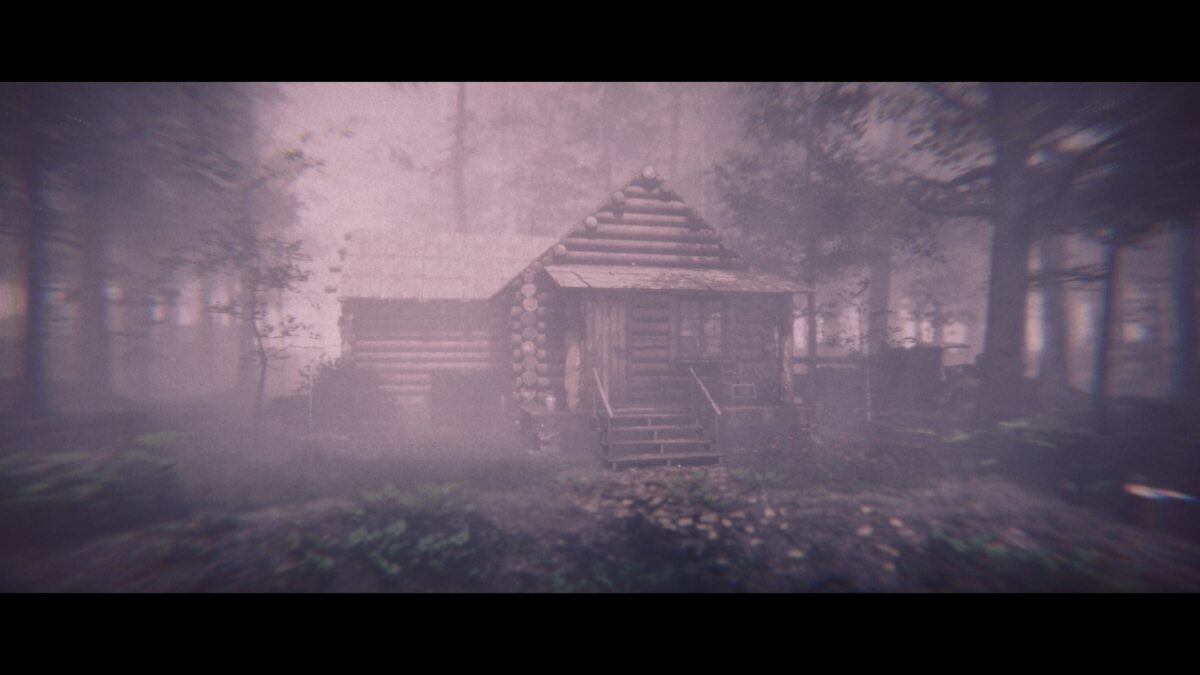
Project Songbird follows Dakota, a musician struggling with writer’s block following a personal tragedy. She retreats to a remote cabin in the Appalachian forest in search of inspiration, and it quickly becomes clear that something is not right. Reality begins to blur as Dakota explores her surroundings as the story unfolds through environmental exploration, revealing themes of isolation, creativity and grief.
It’s important to note that this game does not hold your hand. There are few obvious markers and definitely no yellow paint guiding you where to go. This encourages organic exploration and allows you to discover things for yourself, but it can also lead to moments where you’re unsure what to do next, reminiscent of old school gaming frustrations.
One surprise I didn’t expect from what I assumed would be a purely narrative first-person horror experience was combat. It’s fairly basic, but includes a few additions that give it some depth. There’s a parry mechanic that can briefly stun enemies, allowing for follow-up attacks, and an upgrade system that lets you improve or repair weapons. It’s an unexpected inclusion, especially for indie horror.
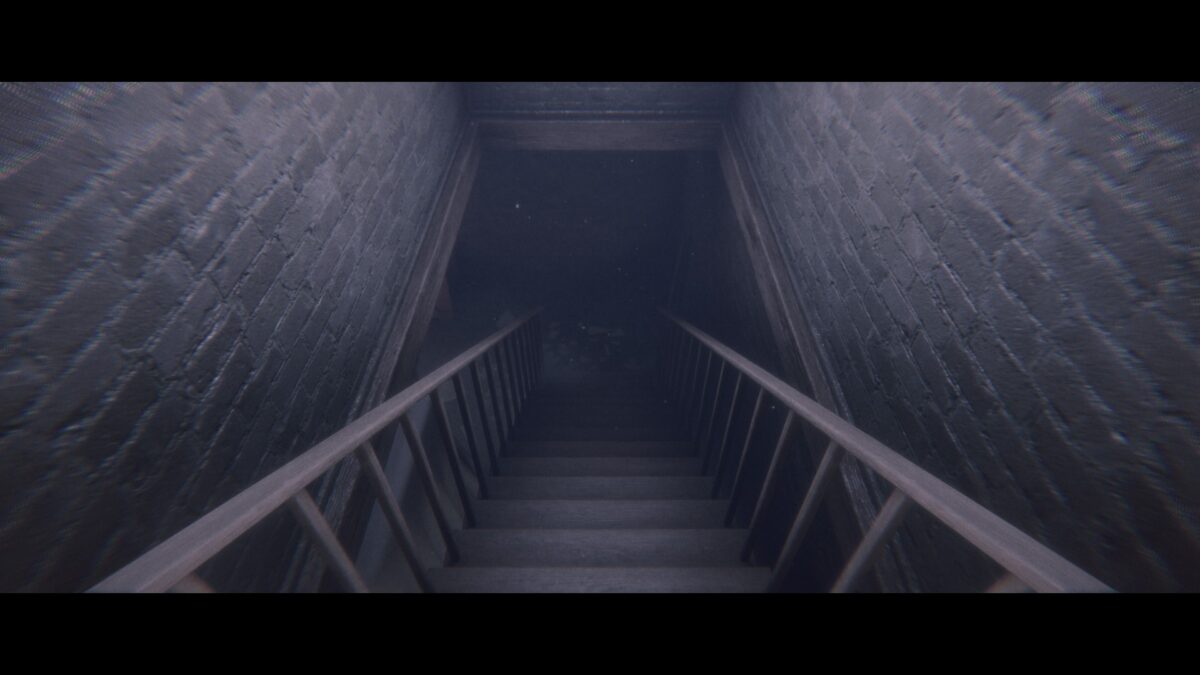
That said, stealth is clearly the primary intended approach. You can crouch to stay quiet and out of sight, and use distractions like thrown bottles to slip past enemies. It’s simple, but effective. There’s also a mechanic where you can record audio samples for your music, which is rather unique.
The audio and voicework are a real highlight in Project Songbird. Performances feel natural and well performed, and really helps ground Dakota’s personal struggle. The music was my favourite part; subtle, ambient and acoustic, clearly inspired by the likes of Silent Hill. It’s understated and never overbearing and does a great job of reinforcing the atmosphere and tone.
While I appreciate the lack of hand-holding, it can sometimes lead to confusion about what you’re meant to be doing. Objectives aren’t always clear, and there were moments where I found myself going back and forth trying to figure out the next step.
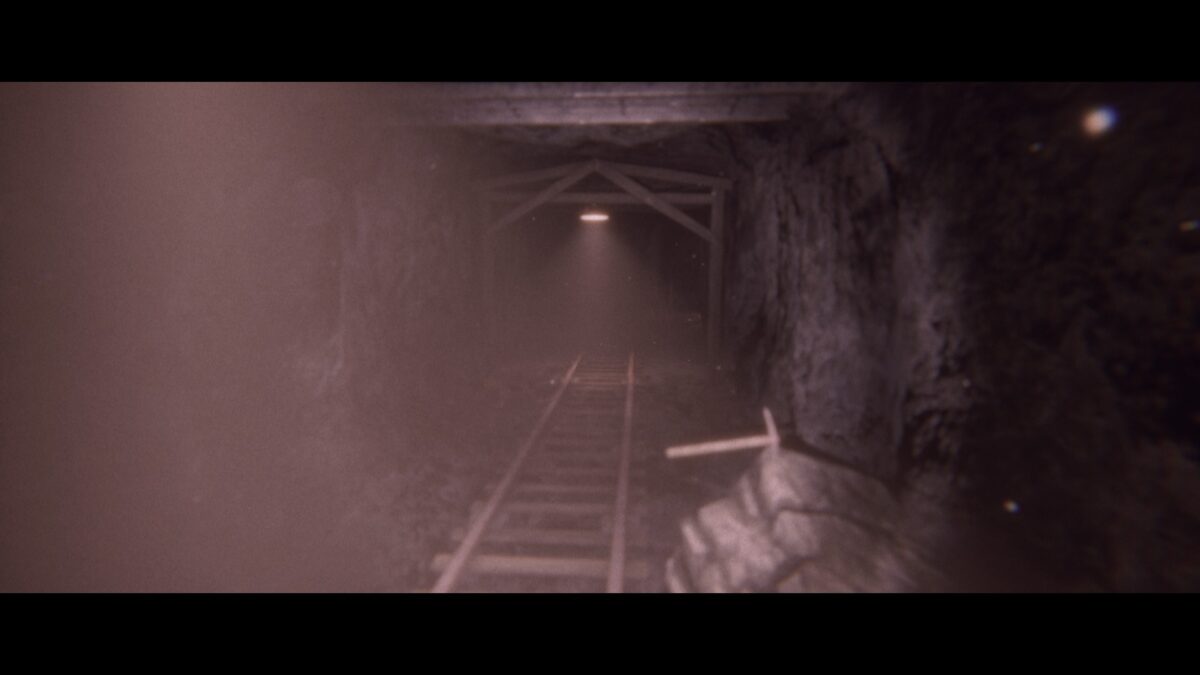
One puzzle, for example, asks you to find where purple daisies grow, giving you a graveyard map and grid references. Naturally, I went to those references, but initially found nothing. Later, after being given a shovel, I assumed I needed to dig—but returning to the area still didn’t reveal anything obvious. After wandering around and even leaving the area, I eventually stumbled across the correct spot.
In hindsight, I likely missed it earlier, but at the time it felt like I should have been doing something else. Personally, I feel a bit more clarity would have helped.
This is definitely a game that benefits from keeping a notepad nearby and thoroughly searching each area.
The audio recording system is a great idea, but occasionally unclear. The game gives you an audio cue when something can be recorded, but there were moments where I simply couldn’t find what I was supposed to be capturing. This led to trial-and-error searching, which could become tiresome.
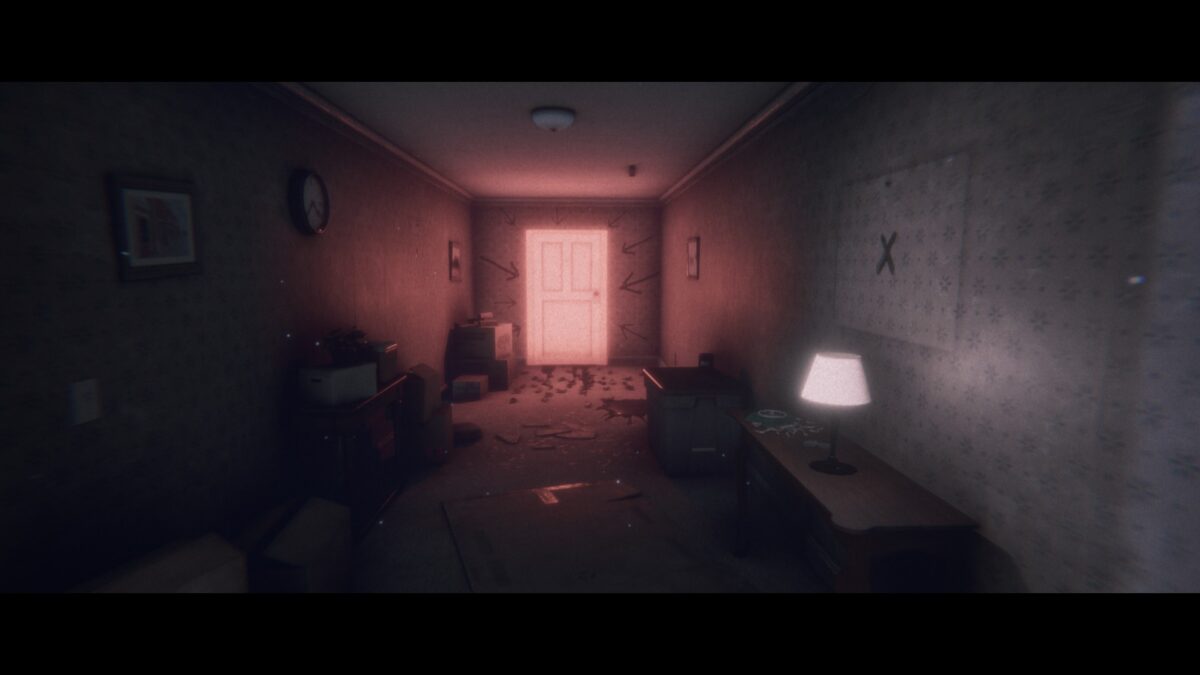
The gameplay generally splits into two distinct halves. One focuses on narrative-driven exploration, similar to Firewatch or What Remains of Edith Finch, where you learn about the character and story — easily the strongest aspect of the game. However, while what’s there is great, these sequences tend to feel padded with busywork and not enough character exploration, and all too quickly we’re moved onto the next section.
The other involves stepping through a mystical doorway into another dimension, where the game leans more into traditional indie horror design. The enemy designs themselves are functional, but not particularly memorable. They do their job, but are a little forgettable.
It’s in these more traditional horror sections where Project Songbird begins to fall short. The game leans heavily on familiar tropes. You’ve got mannequins, maze-like environments, looping corridors, “something behind you” jump scares, and even a variation of the now overused weeping angel-style enemy. These ideas have been done before, and done very well. While Project Songbird executes them competently, they feel somewhat unoriginal — especially when compared to how strong the narrative sections are.
Even within the narrative segments, the lack of clarity can occasionally cause frustration. Missing a clue or failing to interact with something can leave you wandering back and forth, searching until you can find a way to progress. Combat, while a welcome addition and deeper than expected, does feel a little clunky. Sure, it’s not the focus of the game, but it doesn’t feel very satisfying.
Project Songbird is a good, first person narrative/horror experience that is occasionally let down by its reliance on familiar horror tropes and moments of unclear progression. The character work that is there is good, but there’s not enough of it. The horror focussed sections are nothing you’ve not seen before, and for me there are a few too many clichés to be original. There are even a few twists to be had, which I will not go into here.
Steam key provided by PR for the purposes of this review
READ NEXT: PSP Games That Aged Beautifully
Some of the coverage you find on Cultured Vultures contains affiliate links, which provide us with small commissions based on purchases made from visiting our site.