

2026 sees the PSP entering its 22nd year of life from its original release in 2004. It can now ask for a raise at its minimum wage job and get some slightly cheaper car insurance. Welcome to adulthood, it’s sometimes fine! It can also claim to have one of the best aged libraries of any handheld ever. Over two decades later, let these PSP games take you down memory lane.
Tekken: Dark Resurrection
Tekken: Dark Resurrection is every sicko’s favourite Tekken for a good reason. It’s genuinely just very good, portable or not. This isn’t a cut-down curiosity or a novelty side entry, it’s a fully formed fighting game that happens to live on the PSP. I wonder what the house prices are like.
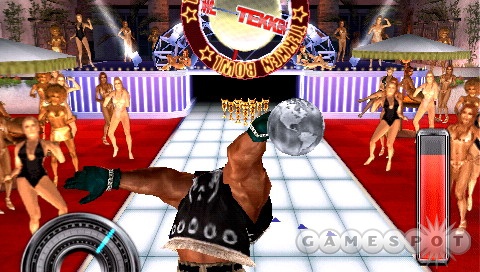
Originally released as an updated Tekken 5 in arcades, everything you expect is here. A deep roster, familiar systems, and the same emphasis on spacing, timing, and punishment that defines the series. It even has Tekken Bowl. Characters move with weight, combos behave consistently, and inputs register cleanly once you adjust to the button layout. Anyone with Tekken muscle memory will feel comfortable quickly, which is impressive given the hardware.
The presentation is clean, despite the arse platters being handed out constantly. Animations are smooth, character silhouettes remain clear against their stages, and load times are short enough that repeated matches don’t become a chore. And it also runs at 60fps.
What stands out in hindsight is how intact and just how complete it feels. A lot of handheld fighters feel compromised when going back to them. Dark Resurrection doesn’t. It still feels like a serious Tekken entry rather than a compromise. That’s why it’s stuck around in people’s heads long after most portable fighters were forgotten. I mean… yeah. Look smart, the next game is pon us.
Patapon 1 and 2
Patapon still works because it was built entirely around a simple idea and never tried to stretch it into something it wasn’t. You command a small army by tapping drum rhythms to move, attack, or defend. Miss the rhythm and nothing happens. Keep the beat and the game flows exactly as intended. It’s as simple as that, and as fun as it sounds.
The visuals help more than people give them credit for. High-contrast characters yet flat colours make everything readable on a small screen, and nothing important gets lost in detail. When you fail, it’s obvious why, and it’s probably because you have the same sense of rhythm as MGK.
Combat is slower and stricter than it looks. Boss fights especially demand attention to timing and patterns rather than just smashing buttons. Progression is simple, but it nudges you toward get into a flow state that will end with you reciting Pata Pata until it enters your dreams.
If Patapon clicks for you, the obvious follow-up is Patapon 2, which expands the same idea without overcomplicating it. More unit variety, smarter balancing, and better pacing make it the cleaner version. More recently, Ratatan has emerged as a clear spiritual successor, leaning into the same earworm appeal. The fact this idea keeps resurfacing and still works says that Japan Studio were on to something here, 19 years ago.
Metal Gear Acid 2
You know what, Metal Gear Acid 2 might be the most forgotten entry in the entire series. Okay, maybe not compared to Metal Gear Solid Mobile for phones and N-Gage, but still. Metal Gear Acid 2 is also a pretty cool game, too.
It sits outside the usual stealth-action lineage, ditches real-time movement entirely, and replaces it with a turn-based, card-driven system that lets you use iconic Metal Gear characters as weapons.
Everything runs on cards. Movement, attacks, items, even turning your body costs resources. The first Acid introduced the idea, but Acid 2 fixes most of its problems. There’s only one of these I’d go back to. The interface is clearer, encounters are better paced, and the game is far less interested in punishing you for not fully understanding the system from the start. Building a deck becomes an enjoyable part of play rather than a barrier.
It also helps that the presentation is just much more distinct. The cel-shaded visuals avoid realism completely, which means they haven’t aged into a muddy blur. The structure suits short sessions, and planning turns is still satisfying in a way that hasn’t been dulled by time.
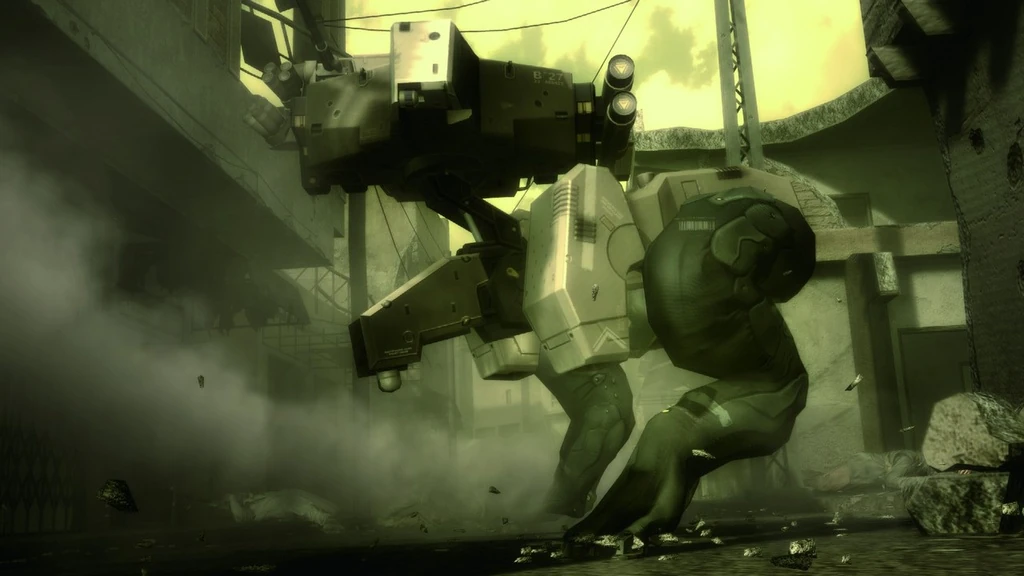
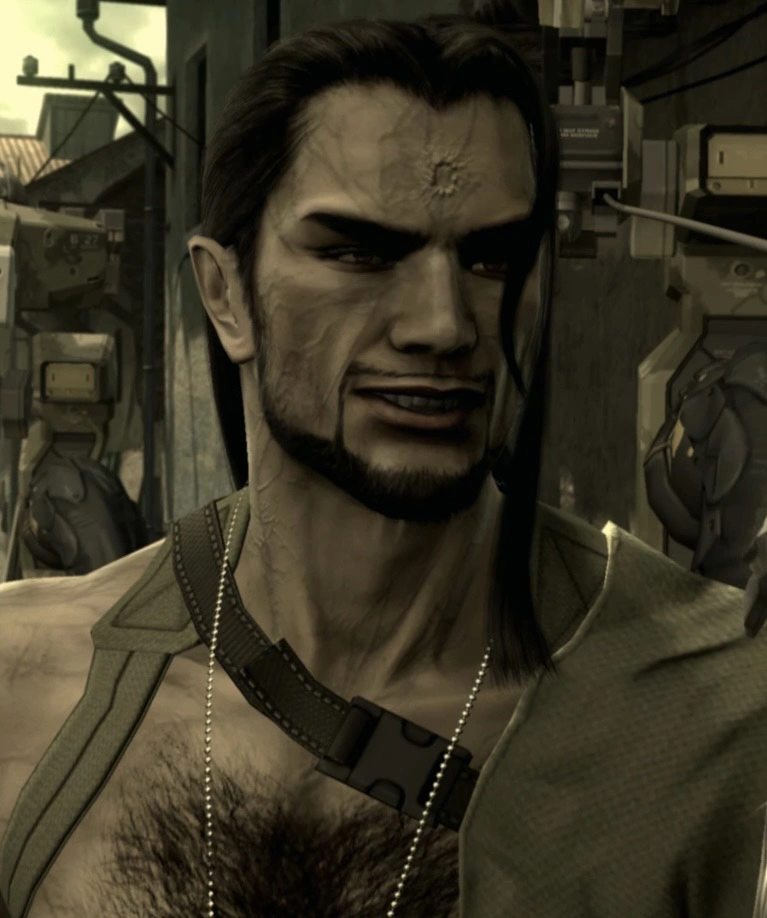
The story, meanwhile, goes off the rails even by Metal Gear standards. Clones, alternate versions, and familiar faces doing very unfamiliar things pile up quickly. But if you don’t know your cow machines from your semi-immortal vampires, you can jump into Acid 2 without any background knowledge about the loco story.
LocoRoco 1 and 2
The PSP was a very creative handheld, as Patapon suggests, but LocoRoco belongs in that same family too. I do wish Sony would publish just a few more joyful games like these again.
You see, you don’t control the characters directly; you tilt the world left and right, letting the LocoRoco roll, split apart, and reassemble as they move through each level. It’s a control scheme that makes immediate sense and still feels natural on a handheld, which is not something you can say about every PSP platformer.
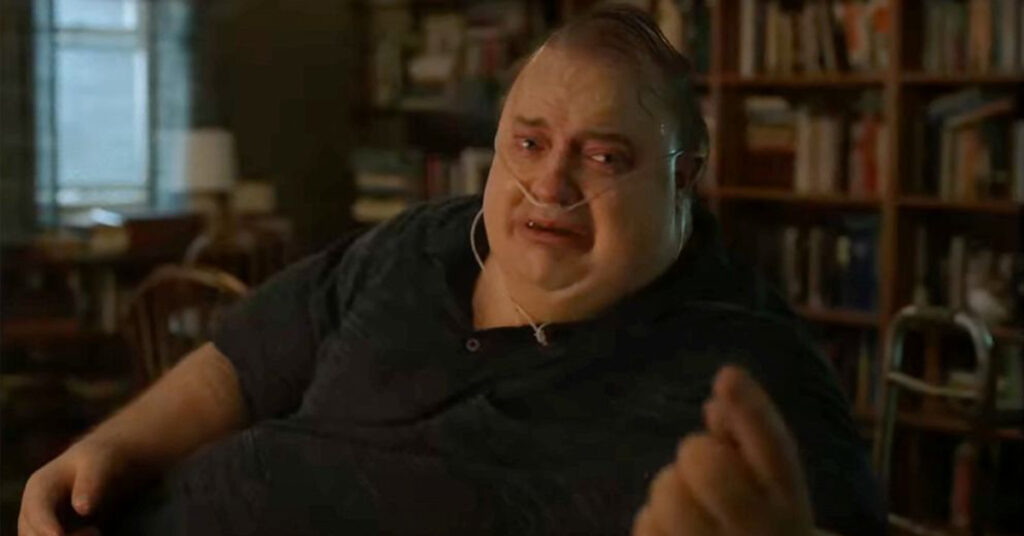
The presentation does most of the heavy lifting, and thankfully it hasn’t dated. Vibrant colours, bold shapes, and clean animation mean the game is always easy to figure out, even when things speed up. It’s like The Whale, except you don’t die when you do exactly one thing of exercise.
Mechanically, it’s gentle going but not just for babies. Later stages introduce hazards, timing challenges, and optional collectibles that reward attention without demanding perfection. What helps most is its sense of proportion. Levels are short, ideas are introduced and discarded quickly, and nothing is dragged out longer than it needs to be.
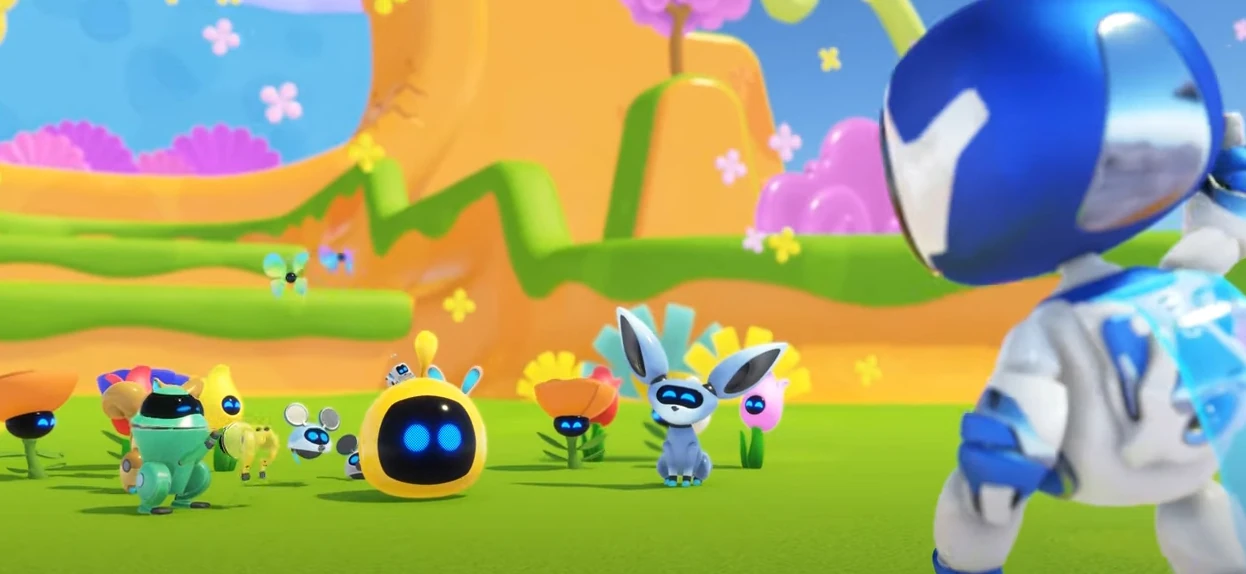
There’s a reason why this came back for an Astro Bot level. Be sure to check out the second game too.
WipeOut Pulse
WipeOut Pulse still feels good because taking a corner at six million miles per hour is always going to be just a bit exciting. It’s fast, clean, and precise, with handling that rewards learning through failure. You learn the tracks, you learn when to boost, and you accept that sometimes you just gotta do a lil bit of blowing up along the way. That core hasn’t dated in the slightest.
The presentation is a big part of why it holds up. Minimalist menus, sharp typography, and uncluttered track design make everything easy to read at speed. It can be slightly visually noisy, but despite the pace, it’s all pretty easy to follow.
Performance matters more than spectacle here, and Pulse gets that balance right, whereas its predecessor, Pure, sometimes did chug along a little bit. Races run smoothly, controls respond instantly, and the sense of speed never gives you a headache. It can even run as high as 60fps, whereas Pure struggled to hit 30.
Pulse also suits short sessions unusually well. You can dip in for a couple of races, make tangible progress, and leave until you start hearing Aphex Twin in your dreams. It just feels like WipeOut, scaled sensibly, and that’s exactly why it still works. I can’t work out why Sony can’t get another WipeOut game made though.
Final Fantasy Tactics: War of the Lions
Final Fantasy Tactics on PS1 still holds up remarkably well, so no surprise that its updated PSP version also does as well. It’s a game that is happy to let you explore the consequences of your decisions over dozens of hours. That kind of design doesn’t really date, and it still looks bloody lovely as well.
The job system is still the main draw. Mixing and matching abilities across classes encourages experimentation, and it’s easy to see how later tactics games borrowed liberally from this framework. Battles reward planning over reflexes, which makes them just as playable now as they were on release, whether you’re doing a single skirmish or settling in for a longer session for 12 hours like this. I have so much stuff on my PSP. I have no problem being on my PSP for 12 hours. Music, apps, games obviously. A medieval game, obviously.
The PSP version of Final Fantasy Tactics sharpens the presentation and adds extra story content, though it does come with slower spell effects that can test patience. That said, the flow of combat remains intact, and the interface is clear enough that managing complex setups never feels unwieldy on a small screen.
Listen, one of the greatest tactical RPGs of all time holding up well is not a shocker. It’s a masterpiece. If I ever feel weird at all, I’m just looking at it.
Ridge Racer
Ridge Racer arrived on PSP arrived early and immediately set the tone for what the system could PSP. It’s completely unapologetic about what kind of racing game it is. Realism isn’t on the menu. You don’t even have a realism soup on the specials board. What you get instead is exaggerated drifting, wide tracks, and a structure that’s more about feeling awesome that feeling like the real thing.
The handling clicks quickly, despite the nubbin. You’re expected to drive hard pretty constantly, often aggressively, and once that logic settles in, the game becomes rhythmic. Corners are taken at speed, cars slide in long arcs, and success comes from committing rather than correcting.
Content-wise, it’s straightforward. Race, unlock faster cars, race again. There aren’t layers of modes or systems competing for attention, which keeps the focus firmly on the act of driving. That simplicity makes it easy to drop in for a few events without feeling like you need to relearn anything.
The frame rate stays solid, the sense of speed is clear, and nothing important gets lost in clutter. It’s also just very visually clean and crucially very fun. If this version works for you, Ridge Racer 2 is an easy follow-up. It refines the same formula with more tracks, more cars, and smoother presentation, without changing what already worked. I’d kill for another one of these.
Killzone: Liberation
Here’s a wild opinion: Liberation has aged far better than the first Killzone game.
Rather than forcing a first-person shooter onto a single analogue nub, Guerrilla Games switched to an isometric view and rebuilt the series around positioning, line of sight, and controlled movement. Little sidenote: of Returnal fame also helped out here, and it was the first time they ever worked with Sony.
In Liberation, you move cautiously, clear rooms, and manage enemy placement instead of relying on twitch reflexes. Encounters are built like small tactical puzzles, with choke points, flanking routes, and plenty of tools to use. It’s slower than its console counterparts, but that pace works in its favour on a handheld.
Environments are structured to support the camera angle, but levels also feel pretty large. Not quite sandboxy, but there’s loads of stuff in your environment to find and use. Also, all of the sound effects going on here itch my monkey brain.
Liberation sticks to Killzone’s familiar grim tone without lingering on it. Briefings are short, objectives are clear, and the story mostly exists to push you into the next mission, but it is pretty good stuff. Liberation may not be as bombastic as its brothers, but it’s arguably more fun in a lot of ways.
God of War: Chains of Olympus and Ghost of Sparta
How did they ever manage this?
God of War: Chains of Olympus and Ghost of Sparta are aggressively confident about what they’re trying to deliver: spectacle, violence, and momentum, all squeezed into hardware that really shouldn’t have been able to cope. Somehow, it does.
Narratively, you should expect plenty of mythological misery, plenty of shouting, but never so much that it gets in the way of play. Ghost of Sparta does actually feature Kratos’ brother, and they have a pretty decent dynamic. Yes, it’s a bit shouty, but they didn’t have TVs back then. You’d be angry a lot too.
You get the familiar rhythm of gameplay straight away with both games. Enemies swarm, Kratos tears through them with theatrical attacks, and puzzles appear just often enough to slow things down before the next fight. Nothing here is subtle, but it doesn’t need to be. These games understand that their job is to keep you ripping dudes apart, not to surprise you with new ideas every five minutes.
Yes, the combat is a bit less hectic and the character models have some jagged edges, but this duology took a series that pushed the PS2 to its limit and translated it to PSP to do the exact same thing, and they’re fantastic fun today. Still trying to figure it out.
OutRun 2006: Coast 2 Coast
OutRun 2006 feels almost unfair in hindsight. It’s a full-fat arcade racer running on a handheld, and it barely compromises to get there. You pick a route, hit the accelerator, and the game immediately understands what you’re here for: speed, scenery, smooching your passenger and not much else getting in the way.
The structure is classic OutRun. Branching paths, a ticking timer, and a steady escalation in difficulty as you push deeper into a run. It’s simple, but simplicity can be very fun. Choosing routes becomes a genuine decision, especially when you start factoring in traffic density, corner layouts, and how much risk you’re willing to take to keep the clock alive.
Handling is smooth and forgiving without feeling loose. Cars slide predictably, recovery is generous, and the sense of momentum never collapses. The game also benefits from bright, uncluttered visuals that prioritise readability over detail, and of course the soundtrack remains an absolute whipper.
Coast 2 Coast adds enough extra modes and content to give it some longevity, but it never loses sight of its arcade roots. You can even transfer your save data between PSP and PS2. It’s still absurdly playable and probably always will be, which explains why it remains a go-to example of the PSP punching well above its weight.
READ NEXT: GBA RPGs You Might’ve Missed
Some of the coverage you find on Cultured Vultures contains affiliate links, which provide us with small commissions based on purchases made from visiting our site.