


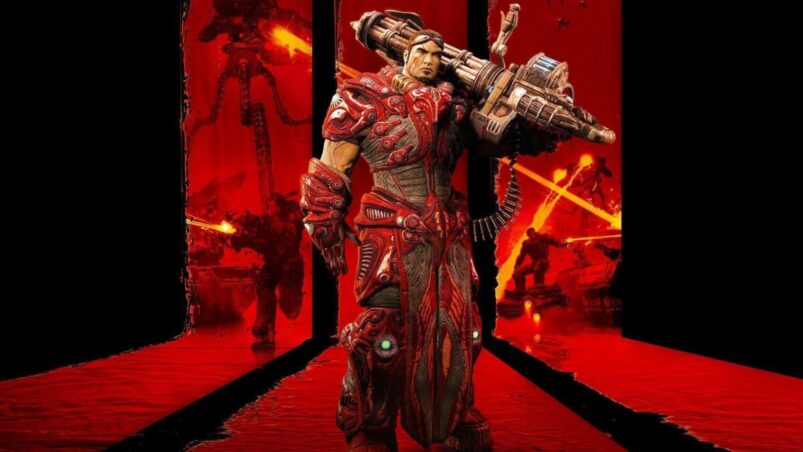
For gamers of a certain vintage, it’s hard to argue with the idea that multiplayer gaming peaked with the advent of games like the Unreal series, the arena shooter to end all arena shooters. Forget your Halos, your Call of Dutys or your whatever else, Unreal Tournament was the place to go for fast-paced, hardcore, non-stop fragging. Hook it right into my veins.
While Unreal Tournament was brought back more recently than other games we’ve covered in this little retrospective series of ours, its death and subsequent absence from the gaming landscape is still incredibly noticeable. With a legacy spanning close to 25 years, perhaps the time is right for Unreal to make a return. Today, we’re asking the question: will Unreal Tournament ever make a comeback?
The History of Unreal
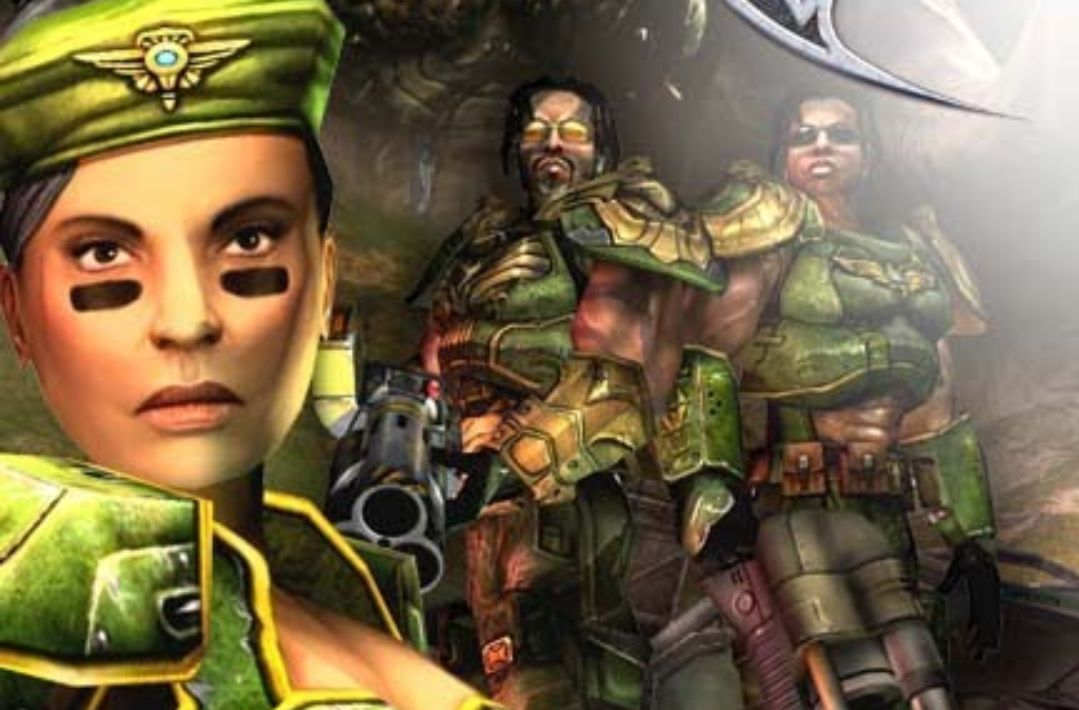
Long before it became synonymous with the words “Tournament” or “Engine”, Unreal was a PC FPS that launched in 1998. Known then as EpicMega Games before dropping the Mega a year later, Epic were looking to create a game of their own that would counter the rising popularity of FPS titles like Id’s Quake 2, along with earlier first person shooters like DOOM, Wolfenstein, Duke Nukem and others.
Epic’s Tim Sweeney was the one responsible for creating the Unreal Engine, which powered the first Unreal game. Unreal Engine has since gone on to reach its fifth iteration, UE5, which has been used, while versions of Unreal Engine have been used to power the visual production behind shows like The Mandalorian.
In Unreal (the game), you control a prisoner who crashes on an alien planet, forced to kill their way through hordes known as the Skaarj, who have subjugated the locals. The game itself sold well enough, with Unreal reaching one million sales in about 16 months since the game’s launch in 1998, but it’s the engine’s legacy that proved to be the golden goose for Epic.
In an interview with IGN, Tim Sweeney spoke about how Epic began licensing the Unreal Engine out to other developers early on: “After we began showing an early version of Unreal, our two first licensees – Legend Entertainment and Microprose – called us up and asked us about the possibility of using our engine in their games. We were thrilled by the opportunity and our early collaboration with those partners defined the style of our engine business that remains today: a community-driven approach, and open and direct communication between licensees and our engine team.”
As for Epic’s own games, the team began to realise the original Unreal wasn’t up to snuff when it came to online multiplayer, so the team began work on an expansion pack that would improve the network functionality of the original. After a few months of work, the idea was floated to turn the game from an expansion into a full, standalone release, and in 1999, Unreal Tournament launched on PC, before coming to PS2 and Dreamcast in 2000 and 2001 respectively.
Over the years, Epic reiterated on both the Unreal Engine and the game series, with Unreal Tournament 2003 launching in 2002 on PC. UT 2003 received excellent reviews, and the engine would go on to become the basis of titles like the Rainbow Six series and Splinter Cell, proving the effectiveness and versatility of Unreal Engine 2, which only cemented Unreal and Epic’s reputation further.
Not content with making history as part of the PC gaming landscape, Epic Games targeted the Xbox with a specifically designed Unreal spin-off titled Unreal Championship in 2002. Ostensibly, Championship was just Unreal Tournament 2003 by a different name, but the game was developed specifically for the Xbox console in mind, and was marketed as one of the first games to utilise Microsoft’s new Xbox Live online gaming infrastructure.

If anything, Unreal Championship’s core legacy is defined by the fact it’s the first game on consoles to have ever received a downloadable patch, an accomplishment recognised by the Guinness World Records. The Metacritic score of 83 is also nothing to sneeze at, and the game was nominated for a couple of awards for Best Xbox Shooter and Best Online Game, though it would lose both to MechAssault.
Unreal Tournament 2003 was then expanded on in the following year with the 2004 edition, which included most of the content that the previous version offered, only with some new maps, characters and modes. The main addition was the Onslaught Mode, which offered large scale battles and vehicles, while the classic Assault Mode also made a comeback. It’s not as history making as the previous game, but content-wise, it was a huge improvement.
While Epic Games were the developers and proprietors of the Unreal Engine, it didn’t stop other developers from working on the Unreal franchise of games. Unreal II: The Awakening was developed by Legend Entertainment for PC in 2003, before later being ported to the Xbox, and would move away from the Tournament and competitive aspect in favour of a storyline sequel to the first Unreal game. Still, Unreal 2 came with its own “eXpanded MultiPlayer” offering, but the combination didn’t manage to lift the game above a 75 on Metacritic. The Xbox port received even worse reviews.
Unreal Championship 2: The Liandri Conflict would continue the Xbox-only line of Unreal games, though a proposed Windows port was ultimately cancelled. UC2 would further adapt the fast-paced arena combat gameplay of the series by adding a lock-on feature, which was designed to compensate for the imprecision of the console controller’s sticks. This console-only version of Unreal would prove to be very successful, earning an 85 on Metacritic.
After a long time, Unreal Engine and the Unreal game series as a whole were due for an upgrade, so Epic unveiled Unreal Engine 3 which served as the basis for other Epic titles like Gears of War. Epic also unveiled Unreal Tournament 3, which dropped the yearly monikers or Championship branding to signify that this was a brand new generation of Unreal in all its forms.
Unreal Tournament 3 launched on PC and, for the first time in years, PlayStation via PS3 in November 2007, though the PS3 release was limited to North America at that time. The PS3 version would release worldwide in February 2008, while the Xbox 360 version arrived in July. The fast-paced combat of the series was refined to a tee in this version, earning it an 86 on Metacritic, and it was announced before publisher Midway went under that the game had sold over one million copies before it even launched on the Xbox 360.
What Happened To Unreal Tournament?
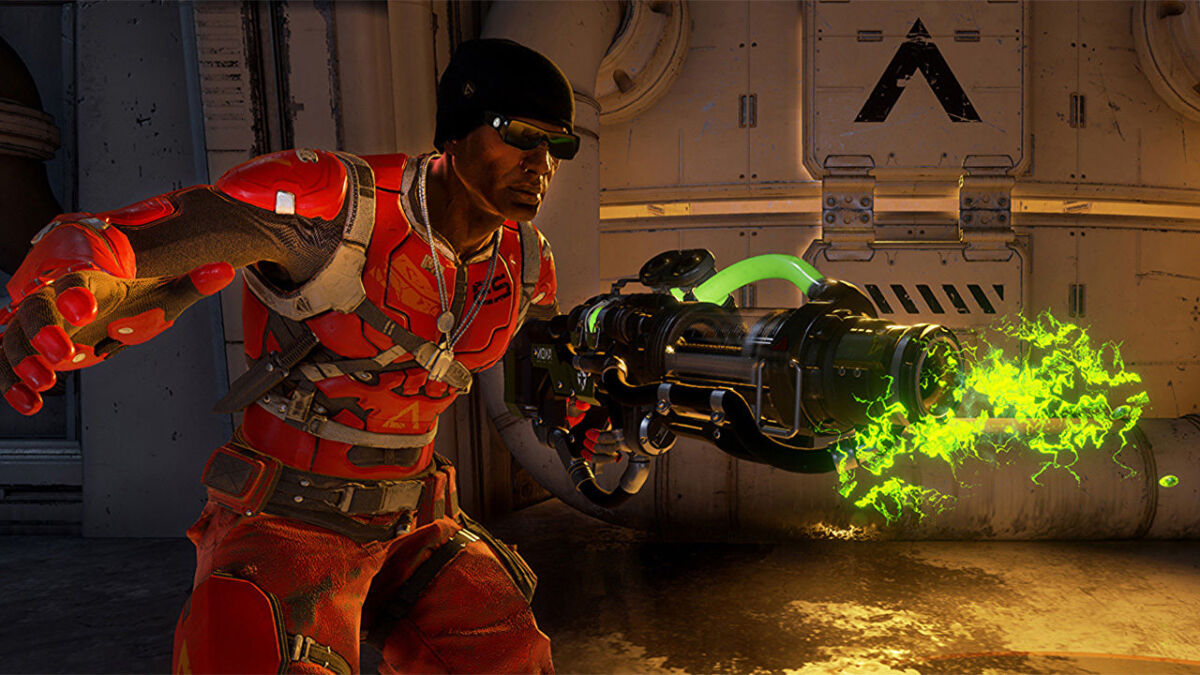
Despite the success of Unreal Tournament 3, fans would have to wait years for a follow-up, even though UT3’s campaign left us on a cliffhanger. Epic, to their credit, weren’t exactly sitting on their hands between Unreal Tournament 3 and what came afterwards, as they were developing the Gears of War original trilogy, while also refining Unreal Engine 3 and working on Unreal Engine 4. UE4 was finally revealed to the public in 2012, showcasing the enhanced power of the engine to all.
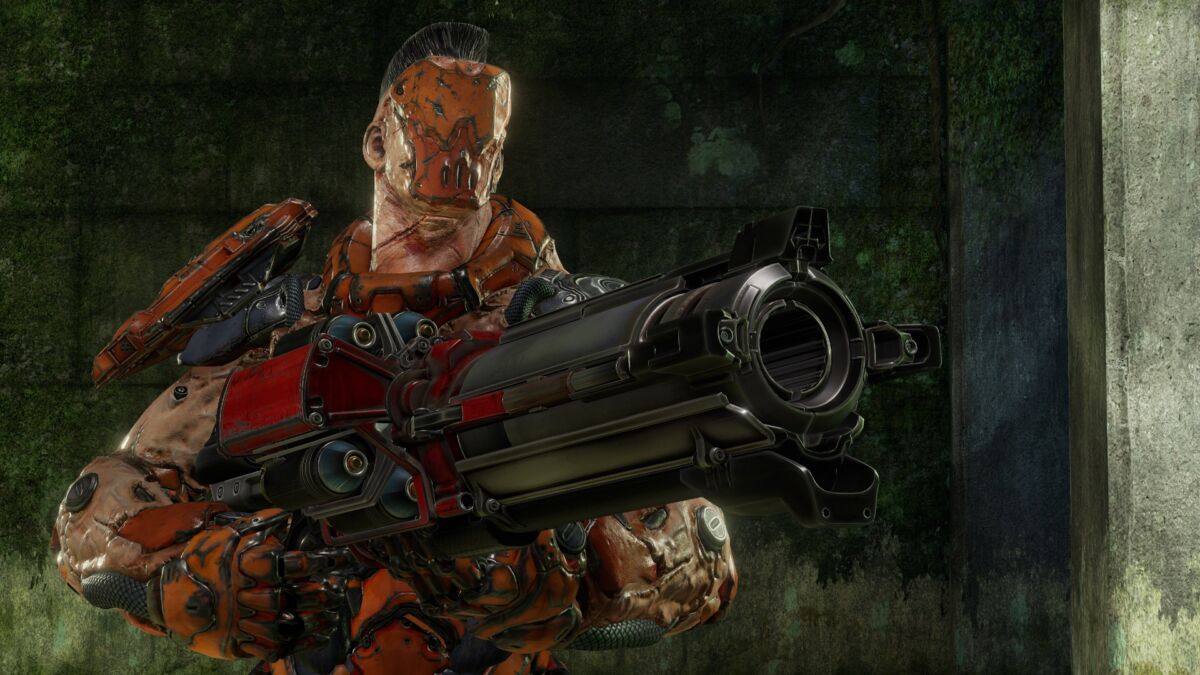
Fans were clamouring to see what a new Unreal Tournament game would look like on the Unreal 4 engine, and Epic obliged these fans by announcing that a reboot for the series was entering development on May 8th, 2014. The new version of Unreal Tournament was designed to leverage community support and modding as a means of assisting development, with Epic themselves releasing updates and content through the years.
The game itself was a celebration of the gameplay that the series had become legendary for over the years, but despite being playable by the general public, Unreal Tournament was still described as in a “pre-alpha” state according to Epic. A full release would have meant the world to Unreal Tournament’s core fanbase, but that would never come to pass, as Unreal Tournament fell victim to the juggernaut that is Fortnite.
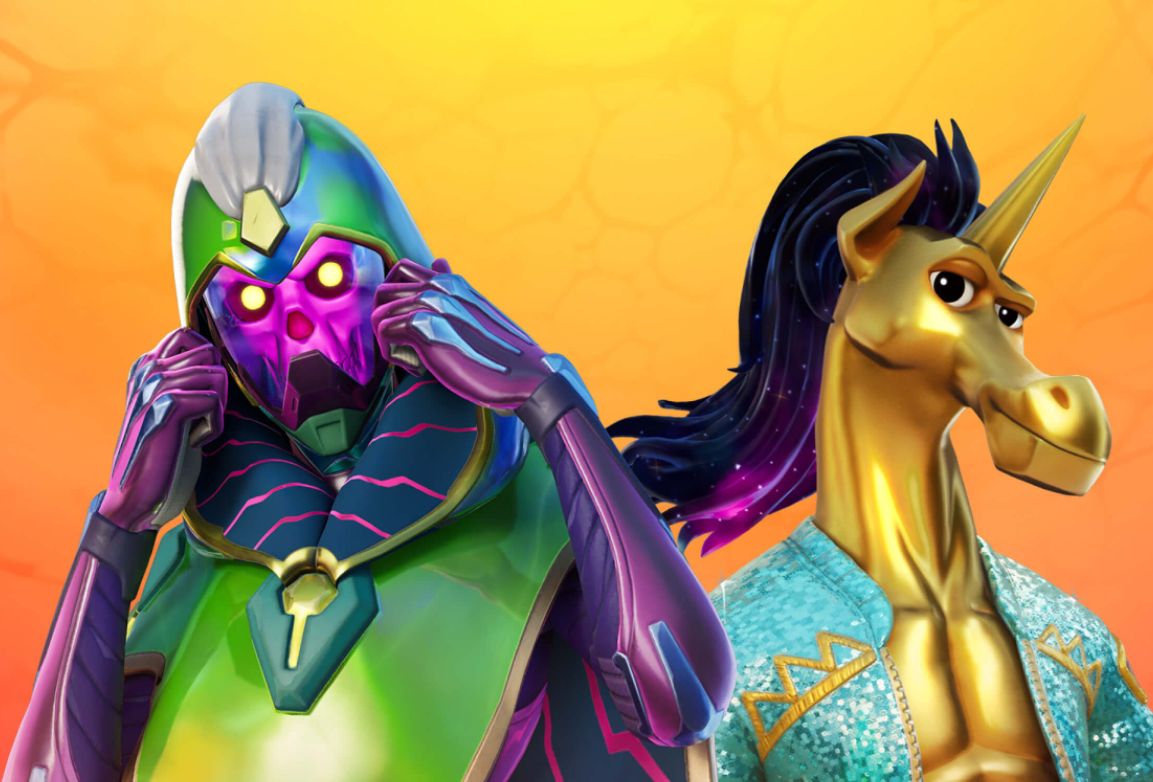
Epic Games had been busy after the release of Unreal Tournament 3, with one such project being Fortnite. The zombie horde survival/crafting game was revealed back in 2011, but it would take a whole six years for the game to see the light of day. Upon launch, there was some fun to be had with Fortnite’s brand of PvE gameplay, but it was clear that Save The World alone wouldn’t be enough to carry Fortnite for years.
This is where the Unreal Tournament dev team came in clutch, as they developed a Fortnite PvE mode within two months that launched in September 2017. You might know it as Fortnite: Battle Royale. In practically no time at all, the Battle Royale portion of Fortnite became one of the biggest games in the entire world, shattering concurrent player records and downloads to become the unstoppable juggernaut it is today.
To reach that position took sacrifice, and regrettably it came in the form of Unreal Tournament, as the team behind the reboot were shuffled off to develop Fortnite content, before half of Epic at least joined in on the fun. After a certain point, no one was left on Epic’s staff to work on Unreal Tournament, with Tim Sweeney confirming to Variety at the end of 2018 that Unreal Tournament is no longer in active development. The series has been on hiatus ever since.
The Future Of Unreal Tournament

It’s hard to gauge whether or not Unreal, in either its base, Tournament or Championship form, will ever make a comeback. Epic themselves likely won’t devote the resources to it, just purely because Fortnite still makes gangbusters across the world. Why would they pull focus away from what’s already established to be a proven draw to create something that’d never achieve the same level of success?
This isn’t to say that a new Unreal game is impossible, as Epic could just as easily pass the reins to the franchise over to a brand new developer. The question of who that would be is another dilemma entirely. id Software stands out as a competent choice after their incredible work on DOOM and Wolfenstein, but considering their status as a Bethesda subsidiary, itself currently owned by Microsoft, it’s unlikely we’d see them develop it outside of some huge strategic partnership between Xbox and Epic.
Then again, Bethesda and id Software might also have the reason why Epic shouldn’t make a new Unreal Tournament game, and that’s because of Quake Champions. A fellow arena shooter revival, Quake Champions went free-to-play on Steam back in 2018, but since early 2019, the game has been hovering around 1000 players at its peak every month. It’s hardly a huge install base for such a classic series, and it’s hard to imagine a newUnreal Tournament would escape a similar fate.
So far, Epic have been consistent so far in developing a new Unreal game as a means to demonstrate their new engines, and with Unreal Engine 5 in preview now and scheduled to launch in early 2022, Epic might have something up their sleeve with regards to Unreal Tournament. It’s pure speculation based on prior behaviour, but until we hear solid confirmation one way or the other, it’s all we have to go on.
However, that “consistency” might go right out of the window when you consider where Epic’s priorities are at the moment. Epic Games have made a ridiculous amount of money simply by licensing out the rights to use Unreal Engine to both other developers, and even filmmakers to create visual effects. Between Unreal Engine deals and the ongoing cash cow that is Fortnite, what’s the incentive behind devoting massive resources into a project like Unreal Tournament when it’s not guaranteed to be as successful?
On top of that, Epic Games are following a similar path as Valve’s Steam, in the sense that they’re trying to create their own digital PC storefront in the Epic Games Store. While we can compare the differences and qualities between Steam and EGS until the cows come home, the fact remains that since Steam has risen to prominence, Valve’s own game development ventures have been put on the back burner. It’s reasonable to assume the same for Epic, especially when they’re always in active development with new Fortnite content.
At the very least, if Epic never makes a new Unreal Tournament, there’s still the possibility of spiritual successors taking on the mantle. One such project worthy of mentioning is Open Tournament, an open source project that’s utilising the skills of both veteran developers and Unreal Tournament lovers. Development still appears to be ongoing, with the team encouraging players to help out as it’s open source, but we’ll see if Open Tournament has the staying power to compete.
As Fortnite continues to implement new seasons and crossovers, the likelihood of a new Unreal Tournament game feels less and less likely, but again, Epic have a brand new engine to show off, and if prior form is anything to go by, a new Unreal Tournament game isn’t too far behind. We’ll just have to wait and see if Fortnite truly has killed the series, or if Unreal Tournament will have one more shot at success.
READ MORE: Will We Ever See A New Killzone Game?
Some of the coverage you find on Cultured Vultures contains affiliate links, which provide us with small commissions based on purchases made from visiting our site.