

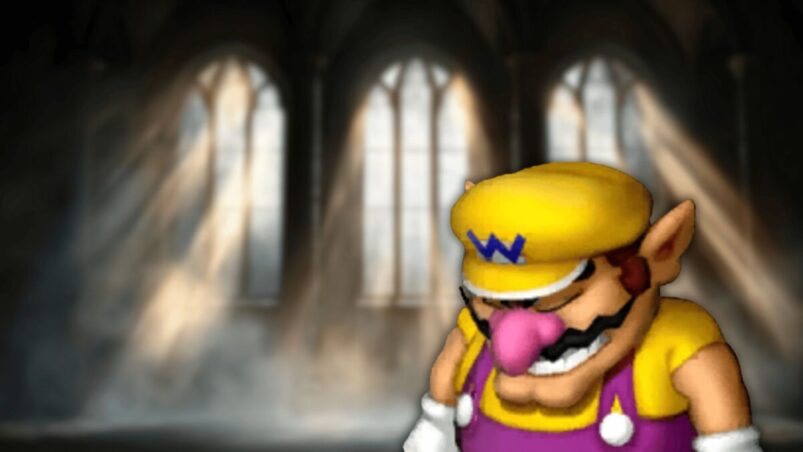
Since around 2006, Nintendo has been on a hot streak. Two of its home consoles of the modern era (the Wii and the Switch) have gone on to become two of the best-selling consoles of all time, with the Wii shifting just over 100 million units and the Switch sailing past 150 million. Aside from the blip in the road that was the Wii U, Nintendo have been doing remarkably well for nearly two decades, and the Switch 2 is shaping up to continue that legacy.
Nintendo have truly made the most of that success. Over the past few years, we’ve seen major new entries for the majority of their iconic characters, with the likes of The Legend of Zelda, Super Mario, Metroid, Donkey Kong, and Kirby. Nintendo’s biggest names are well represented, carefully managed, and almost constantly refreshed. But there’s one iconic character with their own franchise who has seemingly been forgotten by the big N. We all love an evil mirror-verse version of our favourite heroes, but it feels as though Nintendo has very much forgotten about Mario’s evil twin: Wario.
While Wario feels like a fairly modern Nintendo character, at least compared to his cohorts, Wario actually appeared earlier than many people remember, debuting as the lead antagonist in Super Mario Land 2: Six Golden Coins back in 1992. From there, he went on to carve out a surprisingly substantial career as a ‘solo artist’. The Wario Land series spanned multiple entries across the Game Boy, Game Boy Colour, Virtual Boy, and Game Boy Advance.
He even got a full 3D outing with Wario World on the GameCube in 2003, followed by the excellent Wario Land: Shake It! on the Wii in 2008. That Wii game, re-released in 2016 for Wii U, remains the last proper Wario-led platformer to date.
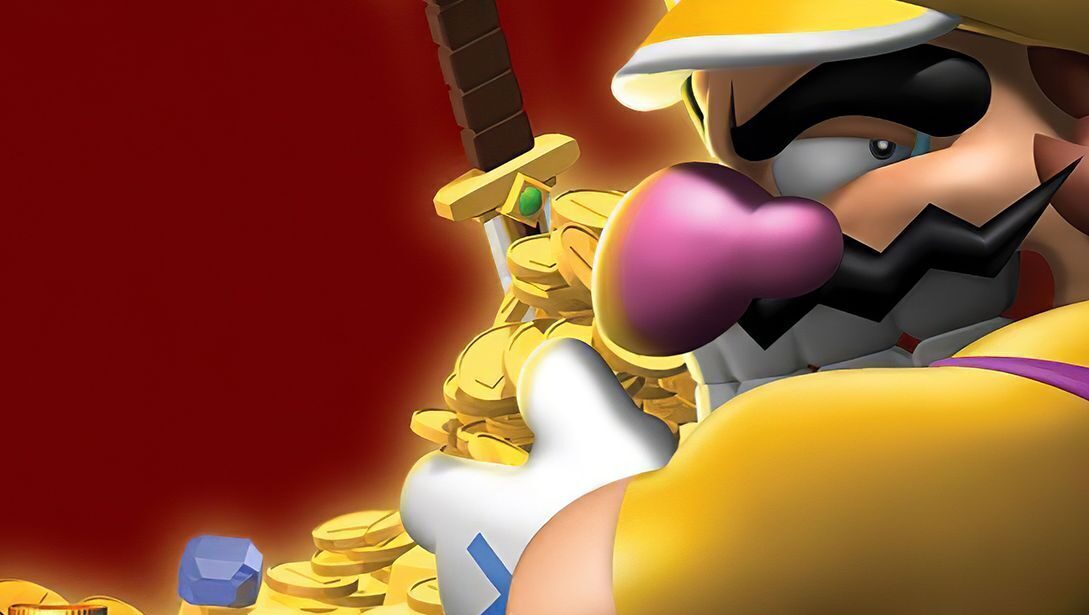
- Wario World
Now, yes — before anyone jumps me — there was a new WarioWare game only a couple of years ago. And that’s fair. Over the past twenty-plus years, WarioWare has effectively become ‘Wario’s thing’. It’s easy to see why, as the chaotic nature of WarioWare suits Wario’s character to a tee. There have been around ten WarioWare titles since 2003, and Wario himself still pops up regularly as a supporting character in things like Mario Kart and Super Smash Bros.
Aside from this spin off and cameo appearances, it cannot be denied that Wario is Missing. But why? The answer runs a bit deeper than simple neglect.
Despite being founded in 1889, Nintendo wasn’t an overnight success, it took almost 100 years of slow growth, until the company’s popularity exploded with the release of the Nintendo Famicom, AKA the Nintendo Entertainment System in 1983. Mario would quickly become Nintendo’s mascot and by the 90s he was already encroaching on Mickey Mouse’s territory as the most recognisable mascot character. Nintendo were now big, and everyone wanted a piece.
The early 90s were full of licensed cartoons and Nintendo licensed cartoons were not different. The Super Mario Bros Super Show, The Legend of Zelda and Captain N: The Game Master were all over Saturday mornings back in the day, but Mario would be most successful, having two other cartoons in the form of The Adventures of Super Mario Bros 3 and Super Mario World. But there was also something else – the 1993 Super Mario Bros move.
Far from taking inspiration from the cartoons, or hell, even the games themselves, 1993’s Super Mario Bros would take the base concept of Mario as a jumping off point to make something entirely different. Gone was the bright and fun Mushroom Kingdom and it was replaced with the grimy, dystopian cityscape taken over by fungus. It was a world filled with flamethrowers, strippers and a drunk Bob Hoskins. While the film has gained a cult following, it was a critical and commercial disaster.
Nintendo seemingly escaped largely unscathed from this rare Super Mario disaster. Luckily, no one actually saw the movie which meant its failure was somewhat limited. Nintendo also did other deals with their characters in the 1990s, most notably with the company Phillips, who made some Zelda and Mario games for its CD-i. Phillips were working on the ill-fated Super CD add-on with Nintendo for the SNES. These games were, frankly, bloody terrible.
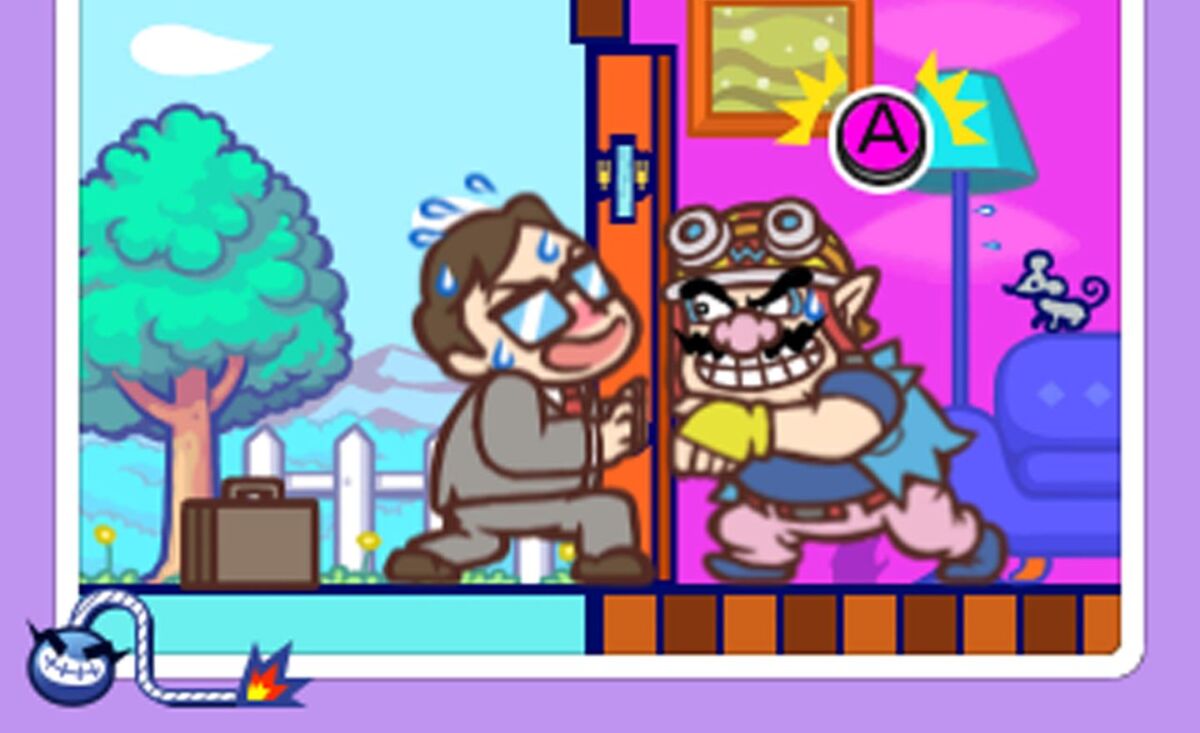
- Wario ware Gold
After these debacles, Nintendo became very protective over its intellectual property, and they became increasingly wary of letting others reinterpret their characters. For a long time, Nintendo simply stopped putting their main characters out there, unless it was in a licensed game. There were exceptions: a Donkey Kong Country TV series appeared in 1997, as well as a Kirby anime in 2001. F-Zero even got its own show. But these were franchises I believe Nintendo viewed as ‘low risk’ and not core pillars of their business.
Fast forward 20 years and Nintendo has gone from strength to strength. Over time, the old guard have retired, new names and faces entered the fold, new ideas and attitudes have grown, and Nintendo’s attitude to external uses of their IP have definitely softened. The recent Super Mario Bros movie was a massive commercial success, and a live action Legend of Zelda movie is currently in production.
At the same time, over the last few decades Nintendo have curated a clear identity: high-quality, family friendly games with a broad appeal. Older players may well gravitate to more ‘grown-up’ consoles such as the PlayStation 5 and Xbox Series X & S. But despite this, they have carved out a huge niche based around accessibility, charm and polish. And that’s an issue for Wario.
While Nintendo doesn’t really have many ‘adult’ characters, It’s impossible to deny their characters have been softened over the years. Mario has shifted from the gruff, middle-aged plumber to a well-rounded, cuter cartoon mascot. Bowser, who once looked very menacing in early artwork, is now a big, rounded dinosaur king who feels more like a loveable oaf than a genuine threat. Even Samus from Metroid, a series that was intended for an older audience, is presented in a way that remains broadly inoffensive and marketable. However, Wario seemingly refuses to be cutened.
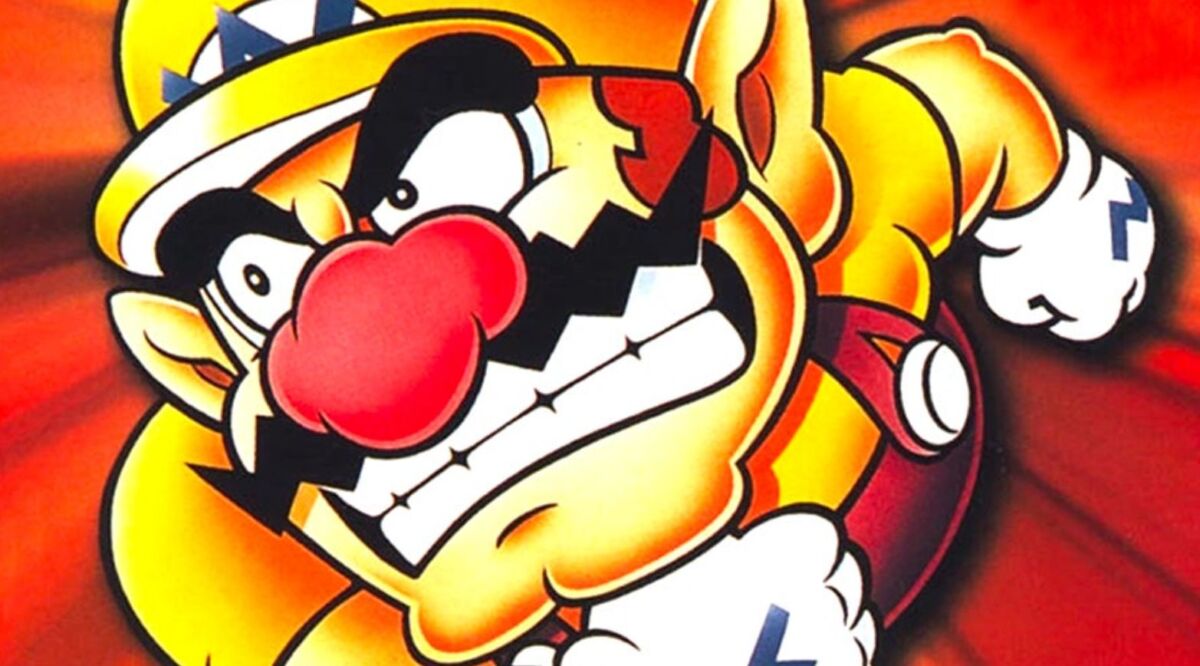
- Wario Land 2
Frankly, Wario is a horror bag. He’s greedy, dishonest, disloyal, loud and proud of it. Even Bowser has occasionally been framed as a reluctant ally or someone with a sense of loyalty. Don’t expect the same from Wario. He’s uncouth, selfish and motivated solely by money, and that is what makes him funny and different. But that also makes him difficult.
You can’t easily turn Wario into a bankable hero. You can’t really soften him by losing what makes him Wario. And while that does work in the madness of WarioWare, Nintendo clearly doesn’t see a place for him at the centre of a big, mainstream release, and that’s a huge shame.
While not as big as his arch-rival Mario, Wario Land: Shake It! was well received, sold fairly well and showed there was still life in the character, and allowed Nintendo to do something different. Since then, Wario has been largely sidelined, present, sure, but never central. Apart from the WarioWare series, there’s little for Nintendo to do with him, at least with their current mindset.
And that is the real reason that Wario is missing. Not because he’s unpopular, forgotten or even unprofitable – but because he doesn’t fit neatly in the Nintendo world that exists today. Unless Nintendo are willing to embrace the awkward, unpleasant and difficult Wario, and see there is a space for an antihero in the Nintendo canon, he will remain exactly where he is today: still around, still familiar, but most definitely pushed to the sidelines.
READ NEXT: Indie Games That’ll Be Huge in 2026
Some of the coverage you find on Cultured Vultures contains affiliate links, which provide us with small commissions based on purchases made from visiting our site.