

Video game franchises can be the backbone of a developer and publisher, with countless sequels giving them stable income and devoted fans for years. Well, if they sell. Here are just some video game sequels from across the last four decades of gaming that have been forgotten over the years.
Onimusha: Dawn of Dreams
It’s quite surprising how forgotten so many games in a series as beloved as Onimusha can actually be.
First we talked about Blade Warriors, that bonkers PS2 Smash clone with Mega Man characters. Then we brought up Tactics, that GBA spin-off that was very much baby’s first tactics game, but still fun.
But did you know Capcom also released a proper fourth Onimusha game after the Jean Reno one?
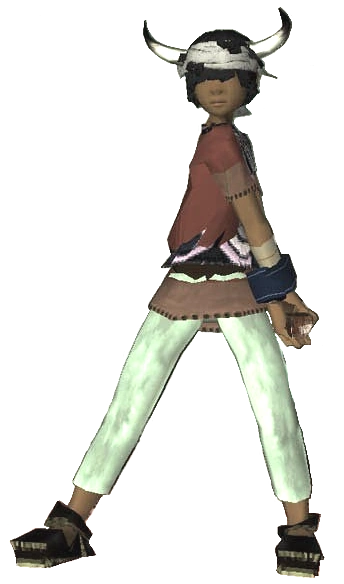
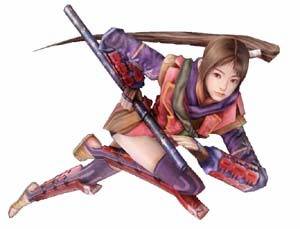
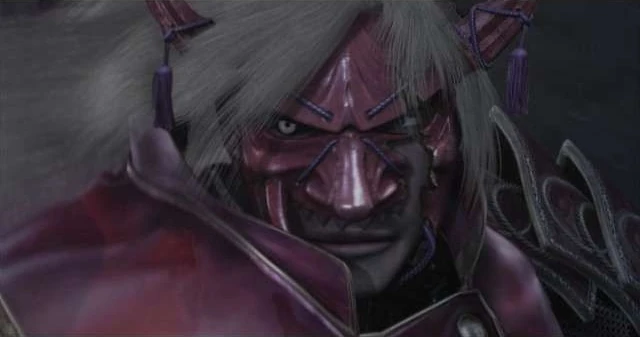
Onimusha: Dawn of Dreams picks up more than a decade after Nobubanaga’s defeat, but this time out it’s one of his vassals that’s been corrupted by the Genma. You’ll be playing as Soki, a young lad with horns, developers loved dudes with horns back then. He aims to put a stop to the Genma alongside the granddaughter of Jubei from the second game while under the tutelage of a strangely familiar face.
A lot of people, which can be defined as any more than 5 people, do have a lot of love for Dawn of Dreams. It’s easy to see why.
It looks incredible for a PlayStation 2 game, and is wonderfully anime in a One Piece kinda way as you fight alongside your gang of ruffians and get to know them. It also does feel fresh compared to the earlier games. You got way more camera control here, the combat is super fluid, and you can also be joined by a companion who you can give commands to and even take over. It’s all decent stuff, and reviews were decent.
However, the main problem with Dawn of Dreams that really hurt it in terms of sales was just really when and how it came out.
As good as it is, it can’t help but feel a bit like an epilogue after Nobunaga’s defeat in the third game, and it not being a numbered entry while also releasing in the same year as the PlayStation 3 in 2006 probably didn’t help it either.
Capcom has been porting the Onimusha series pretty well lately, but I doubt they’ll be in a rush with Dawn of Dreams, sadly.
Nightmare Creatures 2
Otherwise known as Bloodborne for the real sickos, Nightmare Creatures cultivated quite a cult following for itself when it launched on PS1 and later Nintendo 64.
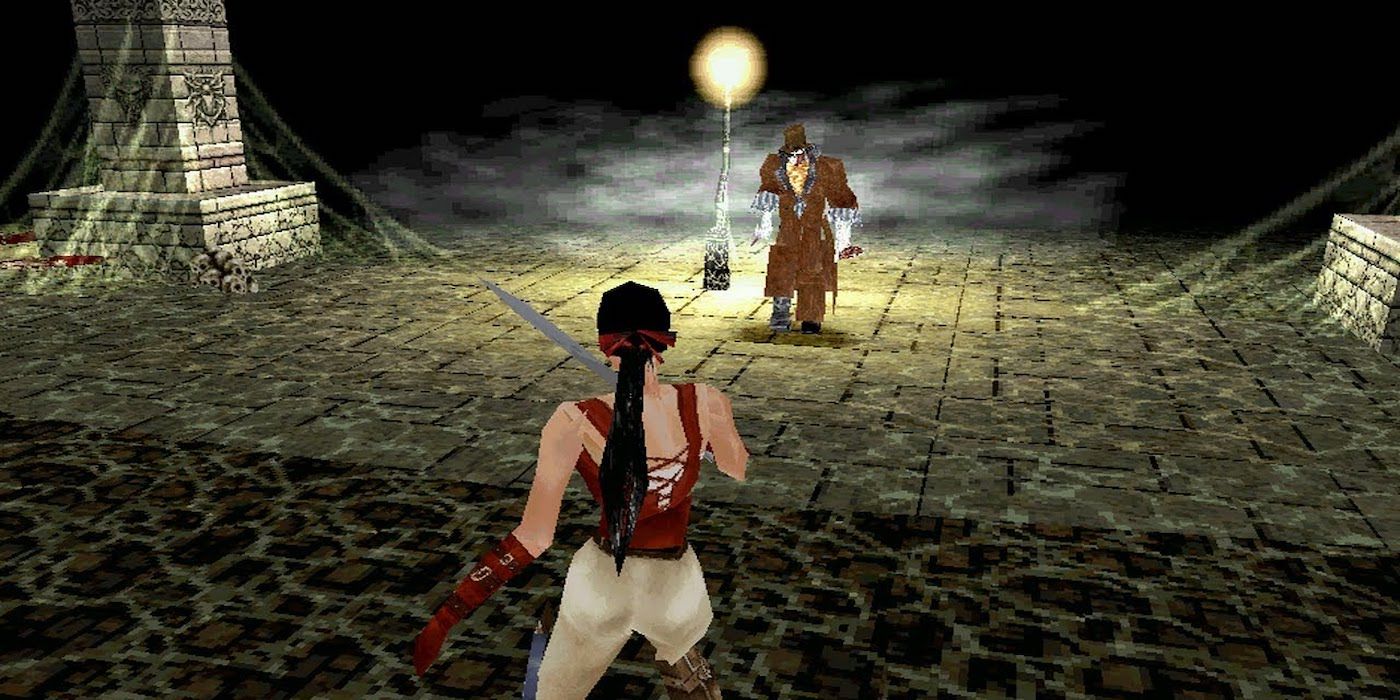
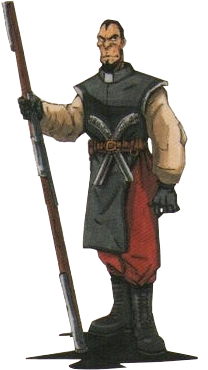
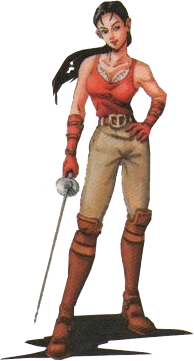
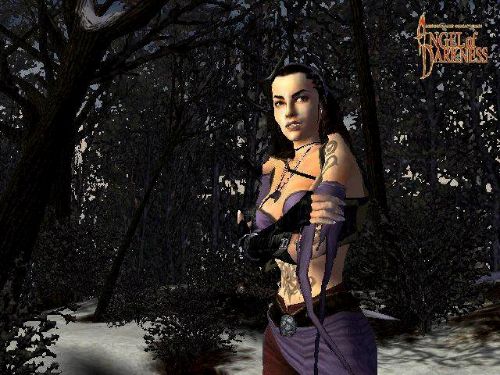
While not a critical smash hit, as it does have some problems, players loved travelling around a slightly cheerier than usual London as either a dripped out priest or a severely underdressed fencer. Fully naked elbows? In Victorian London? She’d be burned as a witch…if everyone wasn’t already mutating into monsties.
So, how did developers Kalisto capitalise on the game’s success? Well, first by making an absolutely awful Fifth Element tie-in using the same engine, then by taking another two years to make a sequel set 100 years after the first game with no elbows in sight. What the hell, guys.
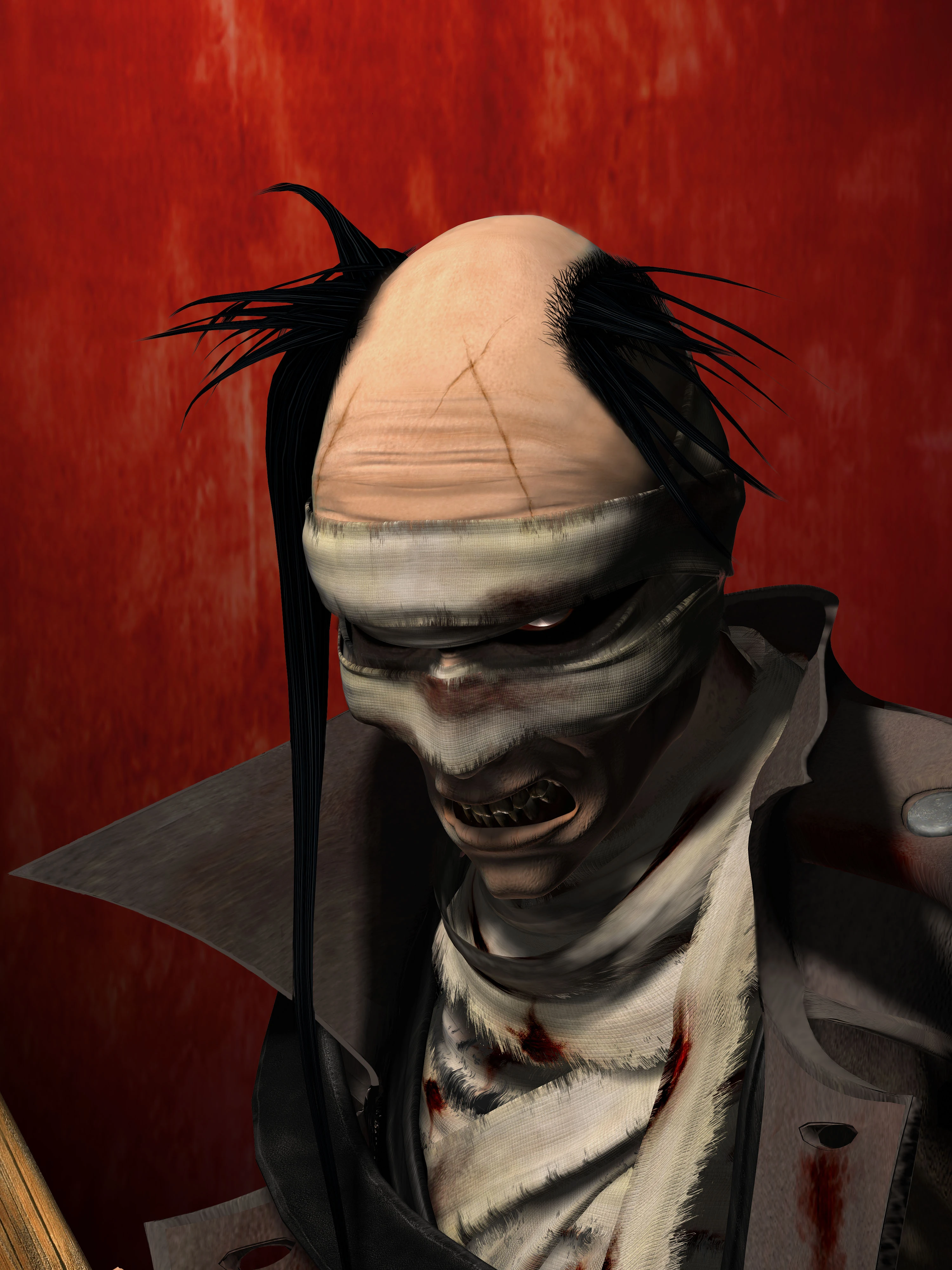
This time out, you’re playing as Herbert Wallace, who sounds like a villain in a Pixar movie but is actually an escaped patient from a genetics hospital, hence the, uh…face.
While skipping a return to Nintendo 64, Nightmare Creatures 2 released for PlayStation and Dreamcast in 2000, getting some pretty poor reviews for the latter as a kinda lazy port, and it kinda absolutely sank without a trace coming out in the same year as games like Jet Set Radio and Skies of Arcadia.
While not an absolutely awful game, Kalisto really couldn’t capture lightning in a bottle twice here. It hasn’t got the…sauce. It does look good, but everything just feels a lot flatter and clunkier here. The removal of the controversial adrenaline mechanic, which made you do everything super fast or die, feels like a bit of an unexpected loss, and the story just isn’t as interesting. It does have music from Rob Zombie though, so it’s not a complete drag. Ula.
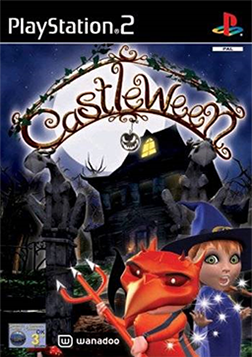
Nightmare Creatures II sold poorly with no sales figures that I can find anywhere, leading to a third game on next gen getting cancelled, and Kalisto were gone by 2002. Castleween couldn’t save them.
We all know what would sweep The Game Awards if it came out this year.
Blinx 2: Masters of Time and Space
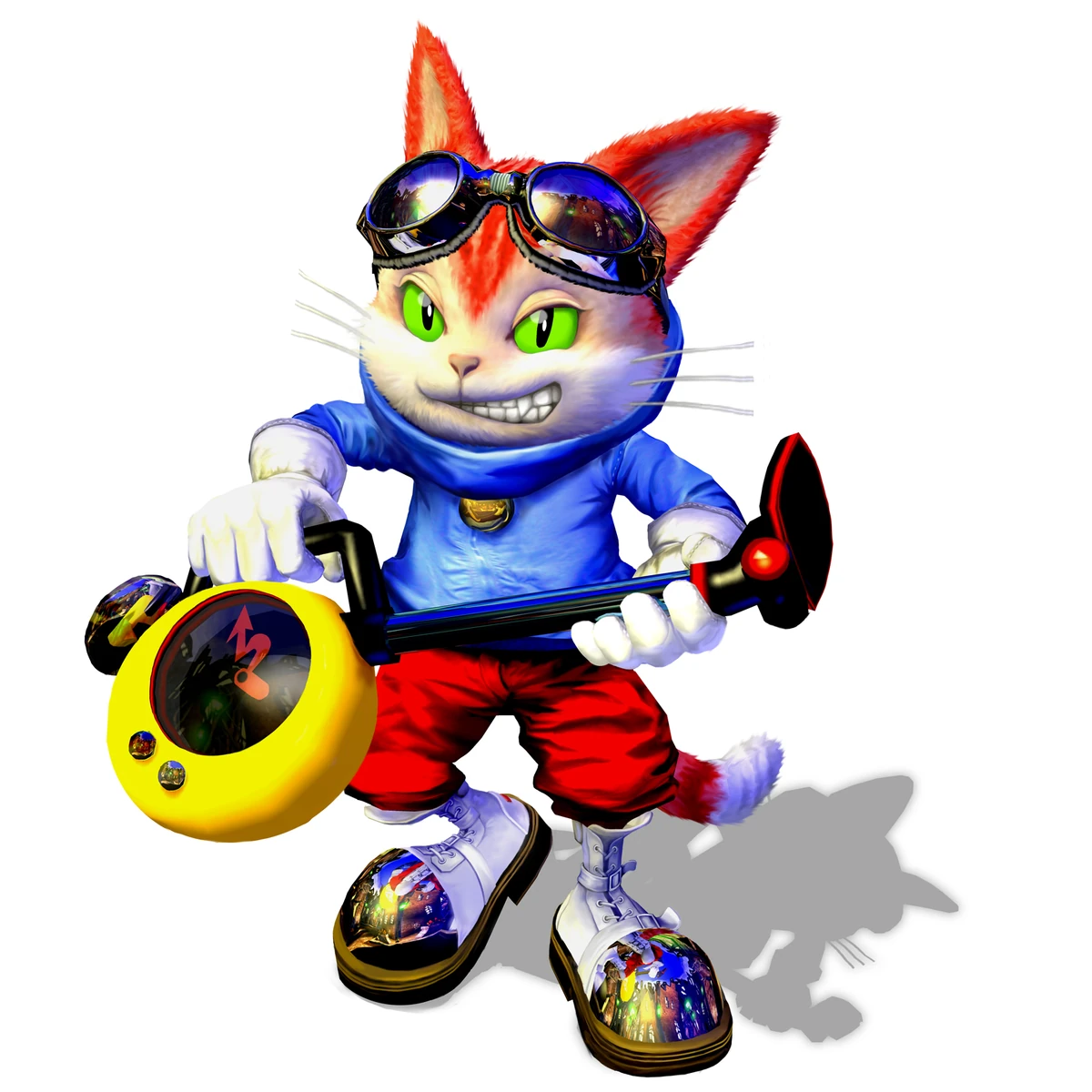
OK, Microsoft. You’re making a console. You got your mascot platformer. He’s a cat with a big vacuum and time powers. The guy who designed Sonic, Naoto Ohshima, is involved as director. Sick. Combine the time cat with that John Chief dude and you could build a pretty solid brand for the next 25 years.
Or, here’s what you could do instead right. Daring thinking here. Out of the box. They’ll never suspect it.
OK. Take the time cat guy, relegate him to cutscenes in a sequel game, and then never mention him again. What do you think?
Well, that’s basically exactly what they did with Blinx.
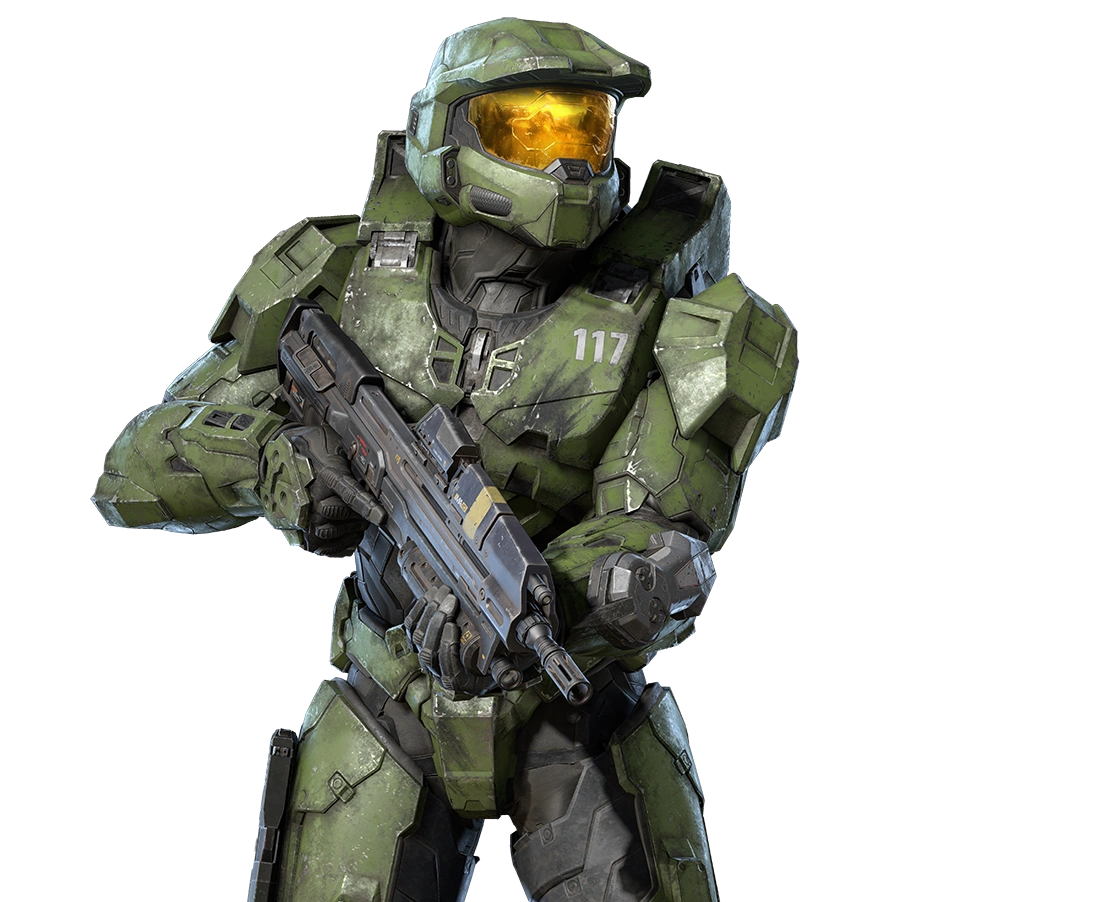
Yup, even though his name is on the box, and his cheeky little face appears on that box, he is barely inside th e box. Blinx only really turns up in cutscenes for this one.Which is nuts. You wouldn’t see Halo make John Chief take a backseat fo–oh. Right. Yes.
Blinx 2 even takes a further departure from the previous game by being more multiplayer focused. You can even play some co-op here, though weirdly only one player can attack and the other does time stuff. To its credit, Blinx 2 does let you create your own characters with a pretty deep creator that definitely wasn’t a fursona pipeline for anyone.
Just like something like Watch Dogs Legion though, taking away a true main character means the story just kinda suffers. Tom Toms go up against the Time Sweepers in 2v2 all out warfare, and there’s crystals stuff and so on, and that’s it really. There is a campaign for each faction. You can tell, though, that the developers, Artoon, kinda spread themselves a bit too thinly here. Neither campaign is particularly great. And, for some reason, a lot of kids just weren’t interested in the geopolitical workings of cats and pigs in 2004. Losers.
Artoon would go on to have a truly insane run after Blinx. They helped make the cult classic Blue Dragon, but also developed Vampire Rain and ScottheWoz’s favourite game, FlingSmash.
Outcast: A New Beginning
The most recent game I’ll chat about today, Outcast: A New Beginning was meant to be the triumphant return of Cutter Slade. You know, Cutter Slade! The original Nathan Drake…one person might say, while drunk. Instead, it quietly flopped—hardly anyone noticed, and it’s kinda crazy THQ and Appeal even tried.
The original Outcast 1999 was technically audacious for 1999, with voxel terrain, open-world exploration, and tonnes of characters to meet and things to awkwardly walk towards. But ambitious PC specs and limited sales meant it stayed niche and sold pretty poorly. A 2017 remake by the name of Second Contact stirred nostalgia among the faithful whose knees hadn’t fully blown up 18 years on…and that was about it.
So, when A New Beginning landed in March 2024, hopes were…not particularly high. I mean, THQ Nordic have hardly been the arbiters of good games lately. And Second Contact wasn’t exactly brilliant. The result? A lukewarm reception, both critically and commercially. Steam numbers peaked at just over 1,100 concurrent players, now reduced to pub-quiet levels—barely 30–40 souls pottering about on Adelpha most days.
Critics were mostly polite but overall underwhelmed. Push Square said it “might be worth a look” which is basically just like saying wait until it’s on Humble Bundle. Rock Paper Shotgun was blunt: “a poor (and bored) man’s Avatar.” Ouch.
Fan consensus? A pretty common case of nostalgia not translating to the expectations of modern gaming, but not the worst sequel ever that came out after decades of waiting. “Charming jank” is the keyphrase here.
In short: if you fancy lo-fi sci-fi sightseeing on jetpacks, and jetpacks is always cool, there’s something here if you can overlook the rough edges. But don’t expect the rebirth of a cult legend.
What do you mean, “who?” Cutter Slade! You know, Cutter Slade. Ah, forget it. GR.
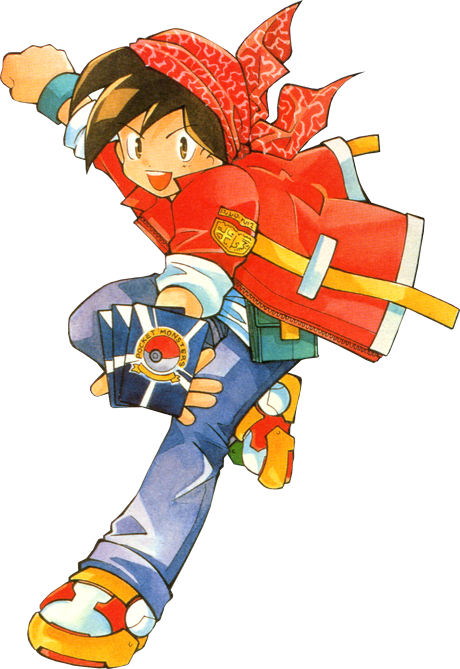
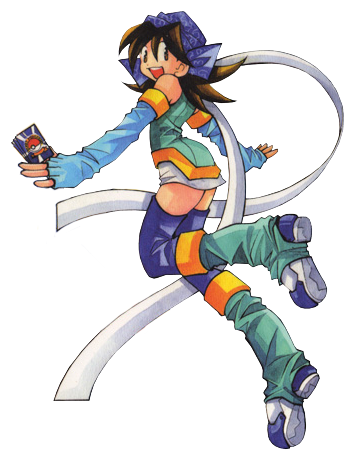
Pokémon Trading Card Game 2: The Invasion of Team GR!
A game that I completely missed from the forgotten Pokemon games piece, Pokémon Trading Card Game 2: The Invasion of Team GR! Feels like an absolutely wild whiff from The Pokemon Company to not localise. No, you didn’t somehow miss it on the shelf at your local Woolworths in 2001.
This one stayed firmly in Japan, never officially released in the West. A bit of a shame, because the first Pokémon Trading Card Game on Game Boy Color was quietly brilliant. Released globally in 2000, it turned the wildly popular physical cards into a weirdly addictive, pixelated RPG where your reward for battling wasn’t XP, money, or becoming the alpha on the playground but… more shiny bits of cardboard. That were…actually pictures.
It’s like Pokemon Pocket, except you aren’t paying £500 to potentially look at a shiny Zubat — that spins!
The Invasion of Team GR arrived in Japan in 2001 as a full sequel that also included pretty much the entirety of the first game. It also expands the card pool, adding new areas, and introducing Team Great Rocket — the slightly more ambitious, marginally better dressed off-brand villains. You had more battles, more booster packs, and even more choice when it came to your cardboard flinger, with Mark returning alongside Mint.
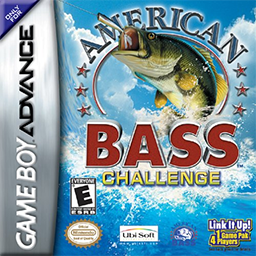
Despite strong sales in Japan and a ready-made Western fanbase who would trade in their nan for anything with a Pikachu on it, Nintendo never localised this sequel. Why? Timing mostly. By 2001, the Game Boy Advance had landed, and the Pokémon hype machine was already moving onto Ruby and Sapphire. A Game Boy Color sequel about cardboard? No sir, not when we got erm, American Bass Challenge.
Fan translations float about the internet, and you can play it yourself fairly easily with some tinkering, but officially? It’s not been seen at all in the last quarter of a century, which is nuts considering people would trade in both of their nans and like an uncle for a bit of Umbreon these days. If you’ve never played it, it’s arguably what that first game should’ve always been.
And hey, where else can you foil a hostile corporate takeover using only cartoon rodents? Well, most other Pokemon games, but don’t mind that!
Crash: Mind over Mutant
Mind Over Mutant arrived during the bleakest stretch of Crash Bandicoot’s post-Naughty Dog wilderness years. By the late 2000s, Crash had become… well, kind of a joke. Multiple studios, constant redesigns, and games that veered between “maybe alright” and “what is even that.”
Mind Over Mutant was a sequel to the similarly cursed but a bit less forgotten Crash of the Titans. After doing “OK” with Crash Tag Team Racing, Radical Entertainment of Hit and Run fame were drafted in to take over from Traveller’s Tales, who kinda got it all wrong with Twinsanity. Little bit of twivia for you there.
Both games revolved around Crash hijacking hulking mutant creatures to fight for him. Sounds cool in theory, but in practice, it mostly involved battering the same enemies repeatedly while trying not to look directly at Crash’s horrifying redesign. Seriously, they made him look like an energy drink mascot you’d see in the clearance bin at your local bossman. Slightly melty like someone’s cleaned a painting with vinegar. And constantly gurning like he’s just necked three pints of battery acid.
Version-wise, it came out on basically everything — Wii, PS2, PSP, Xbox 360, DS — but weirdly not the PS3. The quality varied wildly. The console versions were mostly playable and fun in spots, if you could stomach the art style, while the handheld ports were side-scrollers. The DS version is sometimes referred to as “the worst Crash game ever”.
It didn’t matter though, because hardly anyone bought them. Any version in fact. The game flopped pretty hard across the board, failing to chart meaningfully in most territories.
This period marked the absolute rock bottom of Crash’s relevance. By 2008, the IP had been handed over more times than Randy Pitchford’s USB stick to lost and found. Activision eventually scooped Crash up and locked him under the stairs for a decade. It wasn’t until the N. Sane Trilogy remakes in 2017 that Crash finally clawed his way back to cultural relevance.
Mind Over Mutant is technically still part of history. But also so is that time you got chickenpox.
Dino Crisis 3
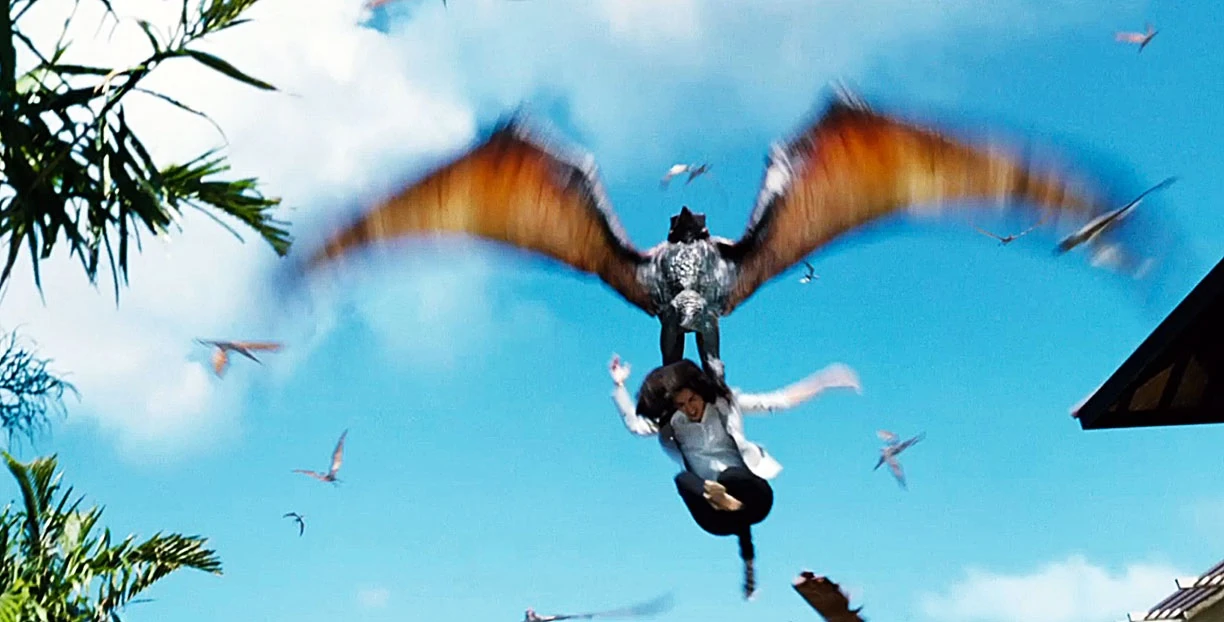
Alright, this one might be a stretch. Dino Crisis 3 is less “forgotten” and more “infamous.” When people do remember it, they tend to stare off into the middle distance like they’ve just witnessed a minor traffic incident involving a jetpack and a dinosaur.
For the uninitiated, Dino Crisis started life as the Resident Evil team’s attempt to answer the crucial question: “What if dinosaurs instead of zombies?” And the first two games, especially the original, became cult favourites. Claustrophobia, big, shouty reptiles, questionable voice acting…that’s survival horror, baby!
Then came Dino Crisis 3 in 2003, where Capcom made several baffling decisions in rapid succession:
One, they moved the series from PlayStation, where it had built its entire fanbase bar a brief bit of flirting with the Dreamcast, to the original Xbox.
Two, they set the game in space. Future space. On a spaceship. Fighting mutant space dinosaurs. Which could be fun, until you actually play it and realise the camera has been programmed by those little guys in The Lost World. And there’s no Regina!
Three, they made it borderline unplayable, with floaty controls, awkward space corridors, and a plot that makes Jurassic Park 3 look like Shakespeare.
Reviews? Unkind, mostly about that camera. IGN politely described it as having “The Worst Camera ever,” while GameSpot called the camera work “awful”. It limped to average scores in the 40–50% range. Sales barely scraped 100,000 worldwide — comfortably the worst in the main series.
And just like that, Dino Crisis went the way of Zara. Poor woman. The series has been completely dormant ever since, despite constant pleas from fans and anyone with a working memory of 90s survival horror.
Maybe one day they’ll resurrect it properly, preferably without space velociraptors, Xbox exclusivity, and more red haired women. Until then, Dino Crisis 3 remains just an absolute load of tosh.
Toshinden 2009
Alright, so this one’s more a reboot than a straight sequel, but when am I gonna talk about it again? Toshinden 2009, also known as Toshinden Wii, was an ill-fated attempt to revive a 90s fighting game series that saw more churn than the average Activision office.
Battle Arena Toshinden was a big deal in the PlayStation 1’s earlier era. It had pre-Tekken 3D graphics, lots of swords, spears, and whips. Sophia was actually up for consideration as an early PlayStation mascot.
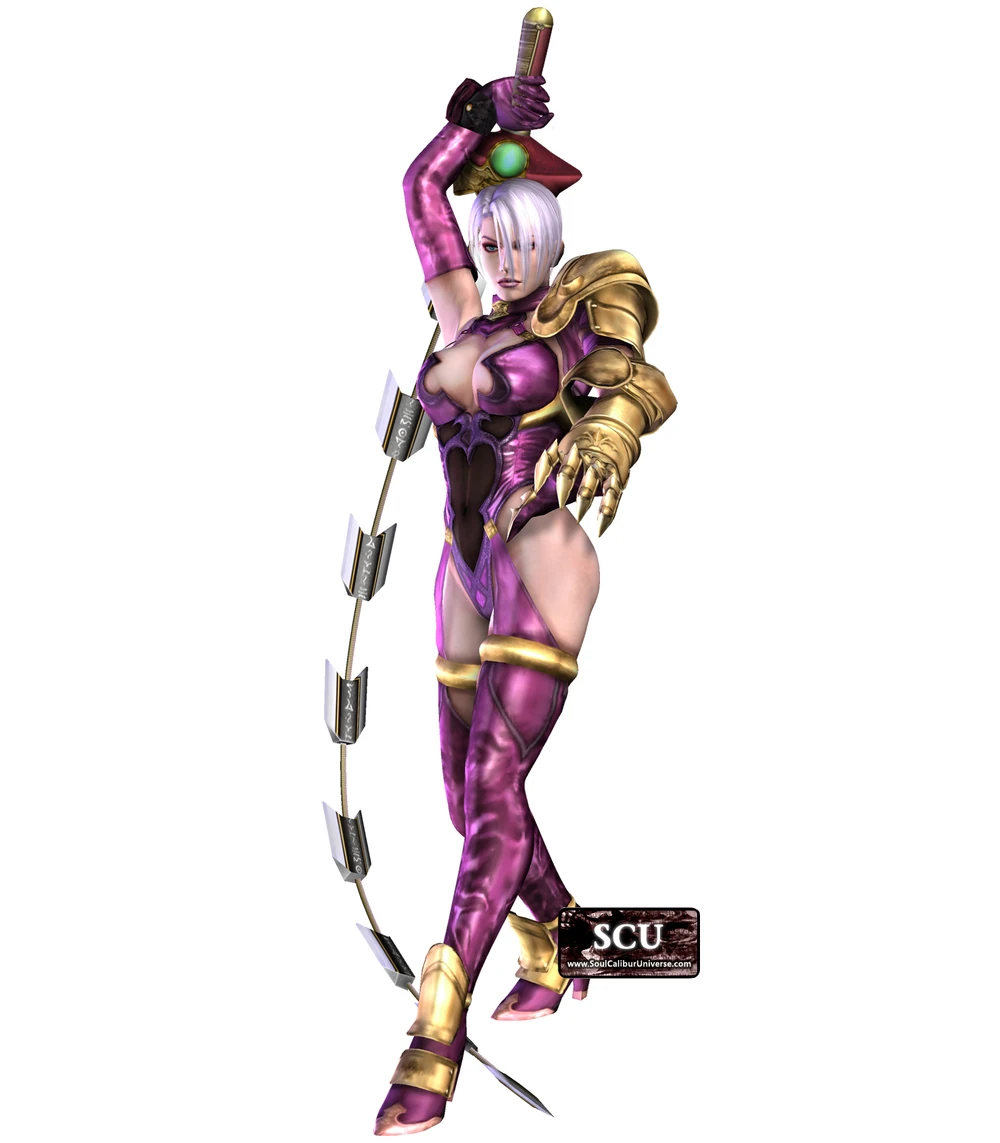
Soul Edge and later Soulcalibur came along and basically ate Toshinden’s lunch, and zeppelin breasted women. By the late 90s, Toshinden had nosedived into irrelevance. Too many games had really been pumped out too quickly, and they didn’t do enough to make a big splash.
Like, did you know Toshinden 4 was even a thing? Don’t lie.
Fast forward to 2009, and for reasons known only to Japanese publisher Takara Tomy, they dusted off the Toshinden name… but ditched nearly everything that made it Toshinden.
Somehow, they made Toshinden into a budget-tier anime brawler that’s more like one of the eight million anime fighters Bandai has released in the last 20 years. One reviewer called it a “decent fighter” but complained that combos were grind-locked behind pointless progression mechanics.
Unsurprisingly, Toshinden 2009 got stuck in Japan—never officially localised, never released in the West, and barely acknowledged even by diehard fighting game fans. Reviews were mediocre at best, with Famitsu chucking it a politely limp 25/40.
If you ever wanted to see a forgotten 90s fighting game resurface as a weird Wii-exclusive anime fever dream, Toshinden 2009 is it. But honestly? You’re not missing much. It’s not worth buying it and using the postal service for. Eh, that’s a rough segue isn’t it.
Postal 3
You know your game must be a real mess when it makes its predecessor look like Red Dead Redemption 2 in terms of polish.
After Postal 2 became a surprise hit in 2003, thanks to its cartoonishly offensive sandbox and general piss everywhere, the series had carved itself a little niche for dudes who keep lotion on their desk. But Postal 3? That’s where it all came crashing down.
In 2006, Running With Scissors, struggling financially, handed development over to Akella—the Russian publisher who’d helped release Postal 2 there. RWS provided the initial design, but Akella mostly ran the show. And then the 2008 Russian recession hit, development turned to sludge, and Akella refused to hand back the source code, tools, or assets. Meaning no updates, no patches, no mods. By 2012, Akella had collapsed completely, but Postal 3 had already left its mark…a skidmark.
Released in late 2011, Postal 3 ditched the first-person chaos for a clunky third-person mess that made Eat Lead seem like a masterpiece. The humour? Somehow even less subtle but also less funny. The gameplay? Broken. The fanbase hated it. Critics hated it, but it feels like critics are just destined to not vibe with Postal in general, to be honest. Even Running With Scissors disowned it. When DRM issues made it unplayable, they took the game off Steam and said: “At least people will no longer buy that trash!”
They put it back on Steam eventually, though. Cheers. Cheers for that.
Postal 4 tried to drag the series back in 2019, returning to first-person sandbox nonsense like the second game, but it’s still janky and critically mauled—though at least it feels more like Postal.
The one shining light? Postal: Brain Damaged from 2022, developed by HyperStrange and CreativeForge. It’s a boomer shooter spin-off that’s genuinely the best Postal game I’ve ever played. Yeah, it’s extremely tryhard with its edginess, but it’s all kinda looped back around to feel kinda ironic now.
Postal 3 though? Zero chance of that ever getting any kind of redemption.
Perfect Dark Zero
Ah, Perfect Dark Zero. Such a good graphical introduction to the new generation of gaming. That intro theme still absolutely bops.
What’s that? How is it to actually play? Don’t worry about that.
Perfect Dark Zero came out in 2005 as a launch title for the Xbox 360, hyped as the return of one of gaming’s biggest spokeswomen for purple leather.
Perfect Dark on the N64 was a proper big deal. Made by Rare, fresh off the success of GoldenEye, it took the spy-thriller FPS formula and injected it with aliens, futuristic weapons, and Joanna Dark.
But Zero? Zero was… something else. By this point, Rare had been acquired by Microsoft, and the studio was in that awkward transitional period where everything they made felt like it came from a parallel universe — familiar, but off. The ability to go into third-person in cover was kinda neat, but shooting generally felt stiff and weird, like that sock you keep under your bed.
Instead of a dark, moody spy game, we got a weirdly bright, plasticky prequel, with Joanna reimagined as the forgotten member of Atomic Kitten. While in terms of, like, raw graphical power, Zero was a step up from the OG Xbox, it did all just look super rubbery and kinda uncanny. Animations were comfortably a generation behind, and that’s because this basically was a juiced up Xbox game. Well, technically, a GameCube game, but that’s a whole other thing.
Zero wasn’t a total disaster. Reviews at launch were kinda positive. IGN threw it an 8.4/10, Eurogamer kinda tore it apart a bit but still gave it a 7, and GameSpot gave it a generous 9. Gotta be honest, though, it does feel like a lot of reviewers got taken in by the shiny here.
Sales-wise, Zero did alright — around a million copies, buoyed by Xbox 360 bundles — but almost no one looks back that fondly on it. Apart from me for that intro. The AI was ropey, the story thin, and the multiplayer, which should’ve been the saving grace, felt kinda ancient and clunky compared to even Halo 2.
After Zero, Joanna basically vanished, and the series flatlined. The Initiative and Crystal Dynamics were rebooting it for like 7 years, but now the series has definitely been left in the dark for good.
READ NEXT: Bizarre & Obscure Video Game Spin-Offs
Some of the coverage you find on Cultured Vultures contains affiliate links, which provide us with small commissions based on purchases made from visiting our site.