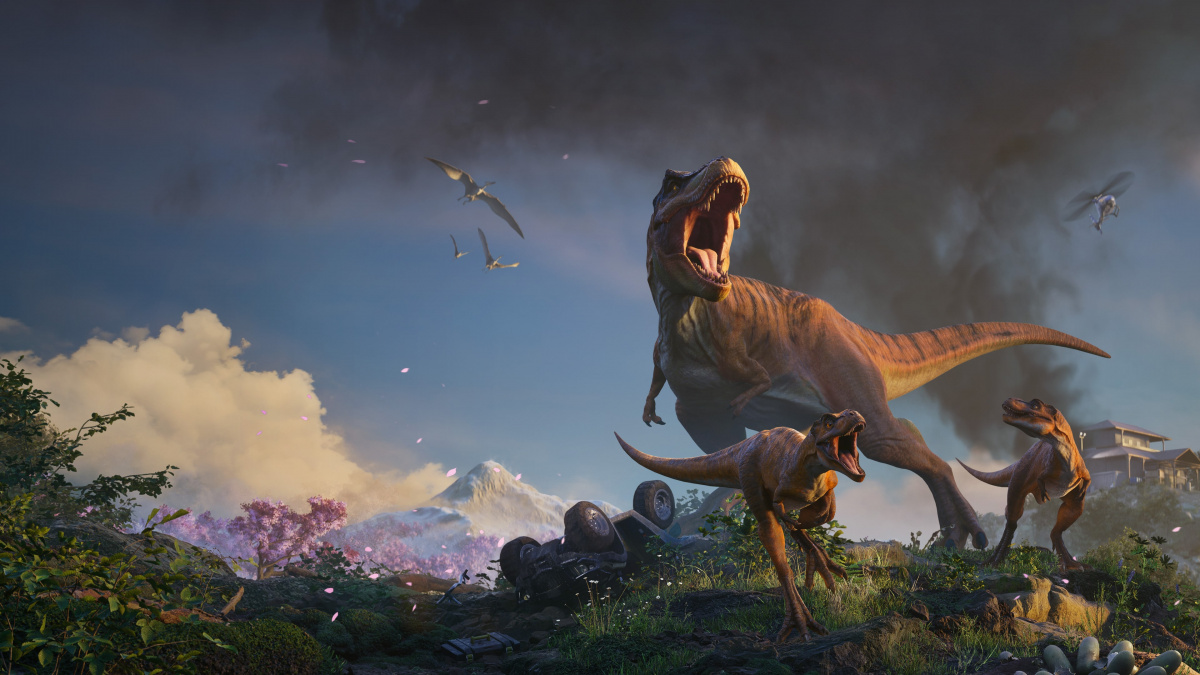



Since Jurassic Park hit cinemas in the early 90s, there’s always been an eager audience ready to create their own prehistoric theme parks. It’s accurate to describe Frontier Developments’ Jurassic World Evolution series as the modern standard for dinosaur park tycoon games, with more than a little help from its namesake franchise. With Jurassic World Evolution 3, Frontier aims to refine their formula from the last eight years, offering a bigger, slicker, and more cinematic experience than ever before. But while this third outing looks great visually and is very approachable, its simplicity may leave players wanting more.
The first impression of Jurassic World Evolution 3 is a good one. This is undeniably a beautiful game, especially for the genre, which tends to favour simpler graphics and more complex mechanics. Its environments are detailed and dinosaurs look great and are wonderfully animated, with buildings and park utilities all looking solid. Frontier has always excelled at presentation, but this is arguably their best-looking Evolution game to date.
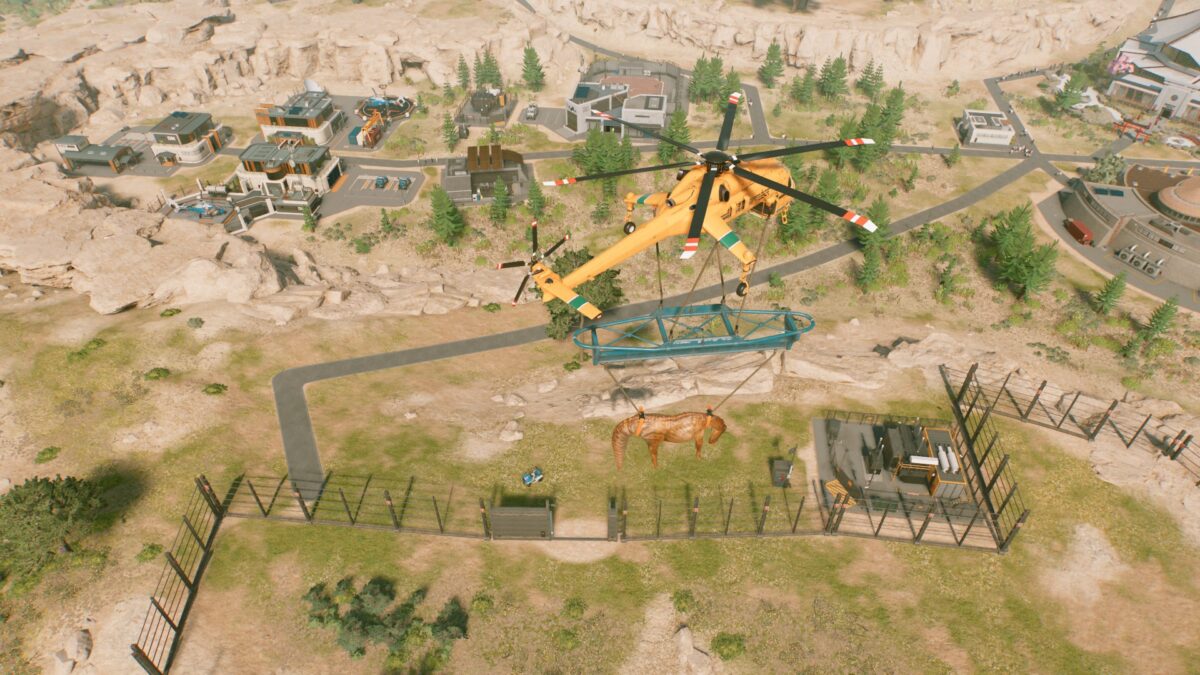
Performance is equally impressive. Even on older hardware – including my decade-old laptop – the game runs remarkably smoothly. Parks teeming with dinosaurs, visitors, and complex customer facilities don’t seem to cause significant frame drops, a testament to the optimisation work going on here. The orchestral score is sweeping and suitably grand, in keeping with the Jurassic Park/World brand. The sound design really helps to bring the dinosaurs to life, with roars, screeches, and other ambient details. The voice acting is another highlight, with Jeff Goldblum once again reprising his iconic role as Dr. Ian Malcolm. His commentary is enjoyable as ever, though some may find the frequent interruptions from advisors and other characters a little intrusive during the campaign.
If you have played previous entries, or any park management game for that matter, you’ll feel right at home here. The gameplay loop is simple but satisfying. You recruit scientists, dispatch them to dig sites, uncover fossils, research DNA sequences, and use them to resurrect dinosaurs.
The goal is, of course, to attract as many paying guests as possible and keep them entertained while making a profit. Restaurants, shops, hotels, and other attractions will add to your coffers, and balancing business growth with dinosaur welfare remains central to your success. On the management side, you’ll have to dispatch ranger teams to monitor dinosaurs, vets to treat illnesses, and helicopter crews to tranquillise rampaging beasts, because it wouldn’t be a Jurassic World game without a dinosaur doing a bit of nonsense.

Path construction has been simplified, but it is still effective. Path building, which I often found fiddly in the Planet Coaster and Zoo games, is straightforward thanks to a ‘snap-assisted’ system, with a grid-less layout. Often, laying a path will give you path guidelines for aesthetically pleasing angles, but you can place your path at most angles regardless of the degree. It’s clear that this game has been designed with console players in mind, but the simplified path design works well on PC too. Frontier has obviously favoured accessibility over complexity, and that philosophy runs throughout Jurassic World Evolution 3. Sometimes for better, sometimes for worse.
One thing you cannot fault Evolution 3 for is how approachable it is. Any gamer, regardless of their experience in this genre, can begin turning an empty landscape into a bustling attraction within minutes, and there are few barriers preventing players from placing functional amenities, creating breeding programmes, and encouraging a steady flow of guests into the park. This game is ideal for newcomers or casual players, and it’s easy to see why Frontier made this decision. Jurassic World is a major blockbuster brand, and its audience extends beyond traditional simulation fans.

However, players who come into Jurassic World Evolution 3 hoping to find the depth and complexity of Frontier’s Planet series may be a little disappointed. Compared to those games, Evolution 3 feels very ‘surface-level’. Systems rarely evolve beyond the basics, and many mechanics are simplified to the point that it may feel a little too passive for experienced players. For example, you can manage your scientists and their workload, but it never reaches the level of depth seen in Planet Zoo.
Guest behaviour is also fairly underdeveloped – often guests act in looping animations and rarely interact with your park in a meaningful way. You can’t click on your guests either, so there are no individual needs or satisfaction metrics.
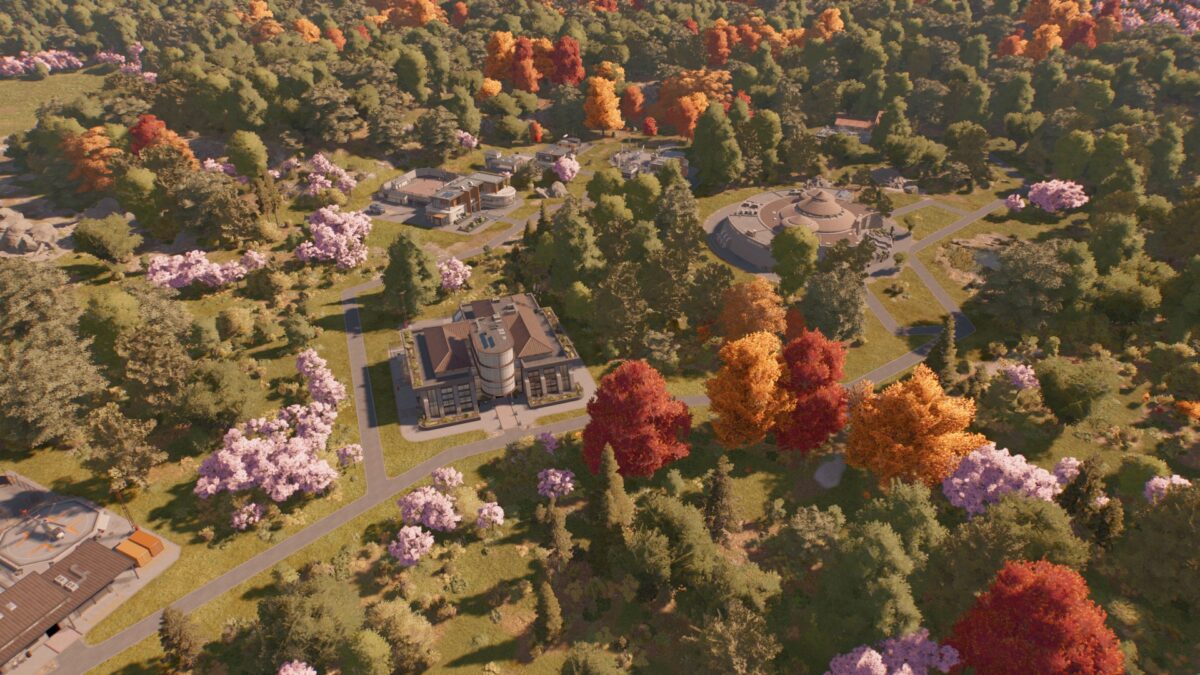
There are three main modes in Jurassic World Evolution 3: Campaign, Challenge, and Sandbox. The campaign serves as the main single-player experience, guiding you through a series of parks with increasing complexity and with a narrative running throughout. It’s well structured and does a great job of easing players into new mechanics and features. However, the sheer amount of dialogue can become tiresome over time.
Challenge mode offers more structured objectives, tasking you with completing specific goals in pre-built parks. And of course, there is a sandbox mode here that acts as a blank canvas.
Jurassic World Evolution 3 is a polished and enjoyable park builder which makes excellent use of the Jurassic World licence. It is also a game that plays it safe, and may not be deep enough for some tycoon fans. While Evolution 3 is an improvement over what came before, it doesn’t significantly improve on the previous game in the series.
A Steam key was provided by PR for the purposes of this review.
READ NEXT: Battlefield 6 (Xbox Series) REVIEW
Some of the coverage you find on Cultured Vultures contains affiliate links, which provide us with small commissions based on purchases made from visiting our site.