


The yearly video game release schedule: a mechanism most gamers view as a system large franchises use to turn easy profit from their loyal fan base without much effort on the part of the publisher and game studios. Some would say that there is no good side to this aspect of the gaming industry, so I decided to have a think about that. I came to the realisation that even though it seems like a cheap cash grab every year, there are some upsides to this way of releasing games. Allow me to elaborate.
First of all, yearly release cycles allow for continuous jumping on points for new players to get into a particular game series. Take Call of Duty, for instance: each new game creates a brand new setting, a new story and (in most cases) new features.
This allows consumers to pick and choose which game in the series they want to pick up. This cycle also satisfies the fans of the series, since they get an entirely new game each year. The yearly release cycle is the very definition of fan service; the studios are constantly working on new titles and can tailor their games using community feedback. Granted, this does take time, you would only need to look at the recent unrest in the CoD community due to the last three titles all set in a far future setting. While Black Ops 2 dabbled with a near future setting, not straying too far from the present, Advanced Warfare, Black Ops 3 and Infinite Warfare all focused on highly advanced technologies, new movement systems and a futuristic conflict to boot. Out of those three, only one was very positively received by the majority of the Call of Duty fanbase, and that was Black Ops 3.
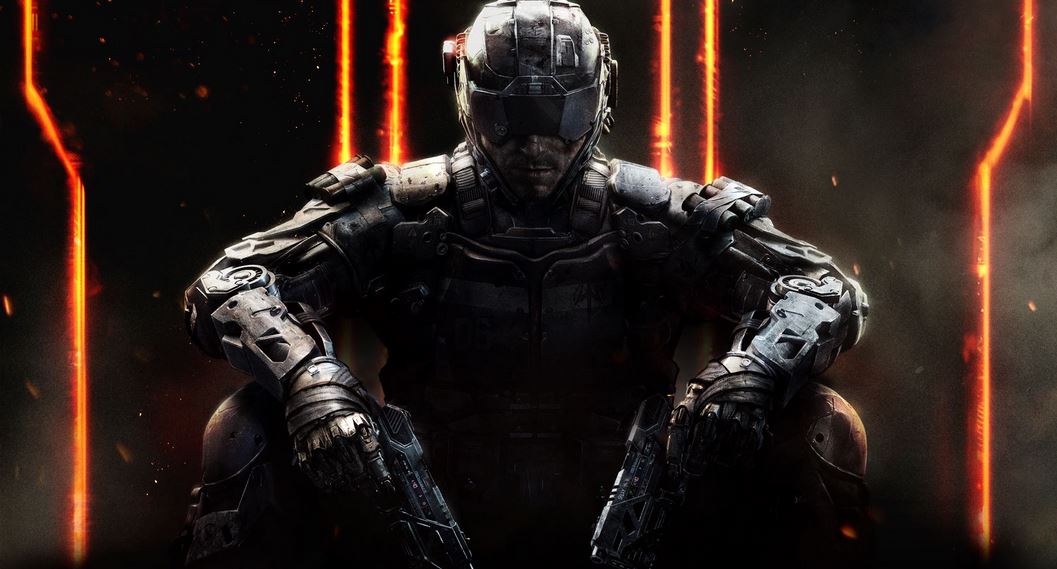
Here the yearly release cycle scores another point. Having games released every year means that not everyone can afford to get the latest iteration, which in turn means that each game has at least some longevity with online multiplayer, as a fair chunk of players will not be willing to shell out for the latest title; there will always be a decent player base for each title for at least 2 years, if not more.
If a game does not live up to the hype or doesn’t play well with fans, this will be picked up on pretty soon, and most will trade in their copies for a refund (as long as they bought physical copies, sorry digital download folks) and revert back to the previous game, as has happened with Infinite Warfare, a game with a player base that has shrunk by around 76% after being released. Since this revelation, Activision has pledged to support Black Ops 3 with content throughout 2017 in their yearly conference call. So, it’s safe to say that the yearly release schedule provides fan with a lot of content.

The yearly release schedule also allows games to use the latest graphical technologies and find new ways of optimising the technology available on the PS4, Xbox One and PC. Each game has the potential to look better than its predecessor, to run better, to have less glitches and less framerate drops. Essentially, each game is prettier than the last. Now, I concede that yes, most of these improvements are incremental rather than massive, but if you take a look at FIFA or Madden when it first came on the PS4 and Xbox and compare it to the graphics of the latest game released on the system, I can guarantee that you will see a marked difference in performance and visuals. With developers also getting access to the PS4 Pro and Xbox One S, they now have even more power to play with, allowing for even greater performance in future games.
In terms of Call of Duty, however, there is a slightly different system in place, as each game actually takes 3 years to develop. Whereas Black Ops 2 and *shudders* Ghosts, as well as those that came before it, took 2 years, Activision has since implemented a new 3 year cycle with the introduction of new studio Sledgehammer Games into the mix, who are the minds behind Advanced Warfare. So, each game has a relatively long development period, hopefully creating a content filled, quality game. Black Ops 3 was just that, showing that in the right hands the series can be a fun, fast and frenetic shooter with solid mechanics and masses of content. However, Infinite Warfare was much less well received, so it really is down to the studio making the game. This three year release cycle also accounts for the incremental upgrades to visuals per game, so the cycle doesn’t always provide the best updates.
So, it would seem that the cycle has two main points going for it: the latest technological advancements giving better performance and constant content for the fans. Since this is a series all about defending aspects of gaming, I’m going to leave it here because, let’s be honest, the cycle is a bit shit for gamers as consumers, what with publishers always greedy to take your hard earned cash any way they can, including the fee-to-pay microtransactions infesting most of them.
Before the red mist descends and I go on a rant, let’s just say that there are good points to everything, including the yearly release cycle, but those good sides may not always outweigh the bad.
Some of the coverage you find on Cultured Vultures contains affiliate links, which provide us with small commissions based on purchases made from visiting our site.