


In the United States, September and October is the start of the new television season. This is when American audiences are likely to see the return of their big twenty-episodes-a-year series, and the launch of a host of new stuff.
For UK viewers though, there’s no guarantee we’ll see the shows for months, if at all. In a world of potentially free-flowing information networks, TV shows still have to negotiate a quagmire of regional broadcasting rights before they can hit screens overseas. This usually involves one TV company selling the exclusive rights to air the show in a country to another TV company in that country (first world problems, right?). This is an issue around the world, and the internet is sick of it.
Take Netflix, for example, which has to maintain digital fences around bits of its content depending on what country you’re viewing it in, even though you’ve paid the same subscription fee and you’re logging in with the same account. Ten years ago, this wouldn’t have mattered. By the time the rest of the world had heard about a big American TV show, it was probably already a big hit, with lucrative deals to air in a whole bunch of countries.
Now though, everyone in the world can know about a TV show before it’s even aired its first episode. Twitter, Facebook, Tumblr and Youtube mean that shows like CBS’s new Supergirl are internet sensations from the moment the first trailer hits.
What happens though, when the show airs its pilot later this month? Well, first we’ll probably see #Supergirl trend on Twitter, followed by a cascade of images and gifs on Tumblr and similar sites. It’s essentially free advertisement, and possibly millions of people outside North America will think ‘Hey, where can I watch that?’

Unfortunately, the answer for most of them will be either ‘nowhere’ or ‘sometime, maybe, when we get round to it’. Which would be either baffling or amusing if it weren’t so foolish. See, the internet doesn’t just allow people to hear about a TV show the instant it airs. It also means that if they can’t find it by legitimate means some of them will take the, ahem, other option.
When internet users around the world see that they can’t watch Supergirl at the same time as America, an increasing number will turn to piracy. The TV networks, maybe understandably, will see this as criminal activity. What they should see it as though, is lost customers.
Digital piracy still feels like a slightly taboo subject, but we’re at the point now where books are written on the subject. There’s an actual academic literature on this stuff, with many academics pointing out that piracy is just easier, quicker and more user friendly than anything offered through legitimate means. Can’t watch the new The Walking Dead in your territory? If you have a computer and know where to look, you could probably be watching it for free in five minutes.
Of course, there’s always going to be a portion of people who will use piracy even if there are legitimate, user-friendly methods of accessing episodes. Until TV networks see pirates as potential customers rather than enemies, though, the number of diehard pirates is only going to get bigger. As long as piracy is the easiest option, a greater proportion of teenagers are going to grow up with piracy as a naturalised behaviour.
Despite the regional restrictions they have to adhere to, streaming services like Netflix and Amazon Prime have been a massive success. It’s debatable whether they’ve had a real impact on reducing piracy, but you can’t argue with their growing subscriber base. As of July 2015 Netflix boasts more than 65 million subscribers.
These legitimate streaming services have literally built their empires on what TV networks have failed to do for the last five years: convert digital pirates back into profitable customers through convenience and accessibility. If TV Networks don’t get this, or fail to realise it quickly enough, the next couple of decades is not going to be kind to them.
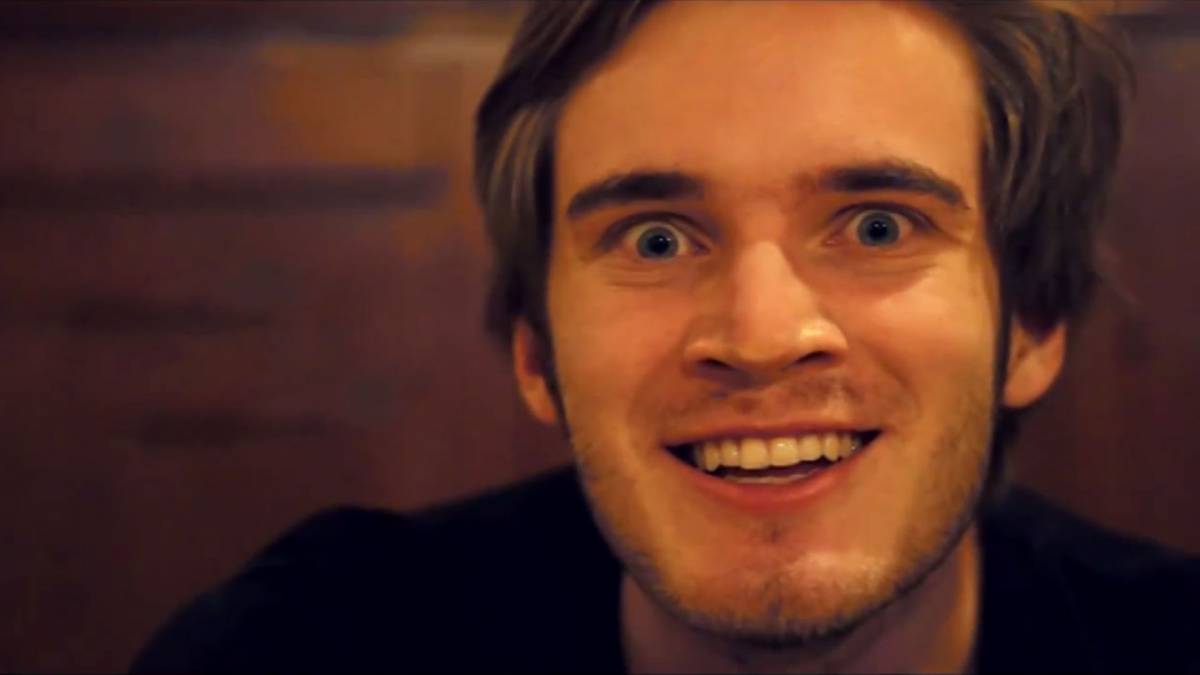
What if everyone outside North America could access the Supergirl pilot episode for free? What if, after that, CBS operated a micro payment system anywhere in the world for subsequent episodes? Or maybe they could run episodes for free with regional or personalised adverts? There’s already an entire industry of YouTube content makers who use almost this exact model. PewDiePie is a millionaire for god sake!
If you build an audience and look after it properly, lots of them will use legitimate methods to watch your shows. The internet is breeding new norms of economic behaviour and it’s probably too late to win back certain hardcore pirates. This doesn’t mean, though, that you can’t win back enough of them to make your shows profitable.
We’re already seeing some companies mimicking the Netflix model. The last season of Community didn’t even air on normal telly in America, but on Yahoo’s new streaming service. Unfortunately this probably isn’t enough. Community fans outside the US who tried to access its sixth season would have found a brick wall. In the UK it aired on Sony Entertainment Television (seriously, who’s heard of that channel, never mind how to access it?).
So here’s my message to TV networks around the world: the internet is right there. You can send an episode of TV across the world at basically no cost to your company. People will pay to access your telly in a quick and user-friendly way – there are companies making millions off this very model. Unless you innovate quickly, you may wake up one day and Netflix will be the iTunes of television.
Will your network still exist at that point?
Some of the coverage you find on Cultured Vultures contains affiliate links, which provide us with small commissions based on purchases made from visiting our site.