
It’s funny to look back and realise just how rare it was to get handheld horror before the Switch, and you might even argue a forgotten Sony handheld I will get to. Something about looking at a small screen while surrounded by people on the bus isn’t typically as conducive to spooks as a big old television, especially when the scariest thing about being on a bus is the bus part. But there were a few of them, some of them that offer portable scares as good as their bigger brothers.
Resident Evil: Deadly Silence
Capcom’s original mansion of death and nonsense made a surprisingly decent entrance on the DS in Resident Evil: Deadly Silence. There was obviously also Revelations, Gaiden, and Mercenaries 3D, but I somehow have never mentioned Deadly Silence on this channel.
This is an often forgotten port of the 1996 classic to celebrate its 10th anniversary. It’s still the S.T.A.R.S. team, it’s still zombies, and it’s still all those classic lines that have been done to death. But now you can sit on the toilet and speed things along when those dogs come crashing through the window. You can save the 45 satsumas.
The port includes two modes. You got Classic, which is a near-perfect replica of the PS1 game. But you also have Rebirth, which sprinkles in touch-screen gimmicks like stabbing zombies on the bottom screen, yelling “Come on!” into the mic, and solving surgery puzzles mid-boss fight like it’s Trauma Centre with gore. It also adds a few extra enemies and awkward knife sections to make the most of the DS tech. Multiplayer co-op and versus modes were here too, though no one’s touched them since 2008.
GameSpot said the port “retains all the scares of the original,” while GameSpy highlighted the novelty. It’s still a novelty now, really. But like the Super Mario 64 port to the handheld, it shows just how ambitious the DS was.
If you’re a RE collector, this one may burn a hole in your pocket in multiple ways, but it’s a cool curio worth hunting down to see the origins of the series in a new way.
Silent Hill Origins
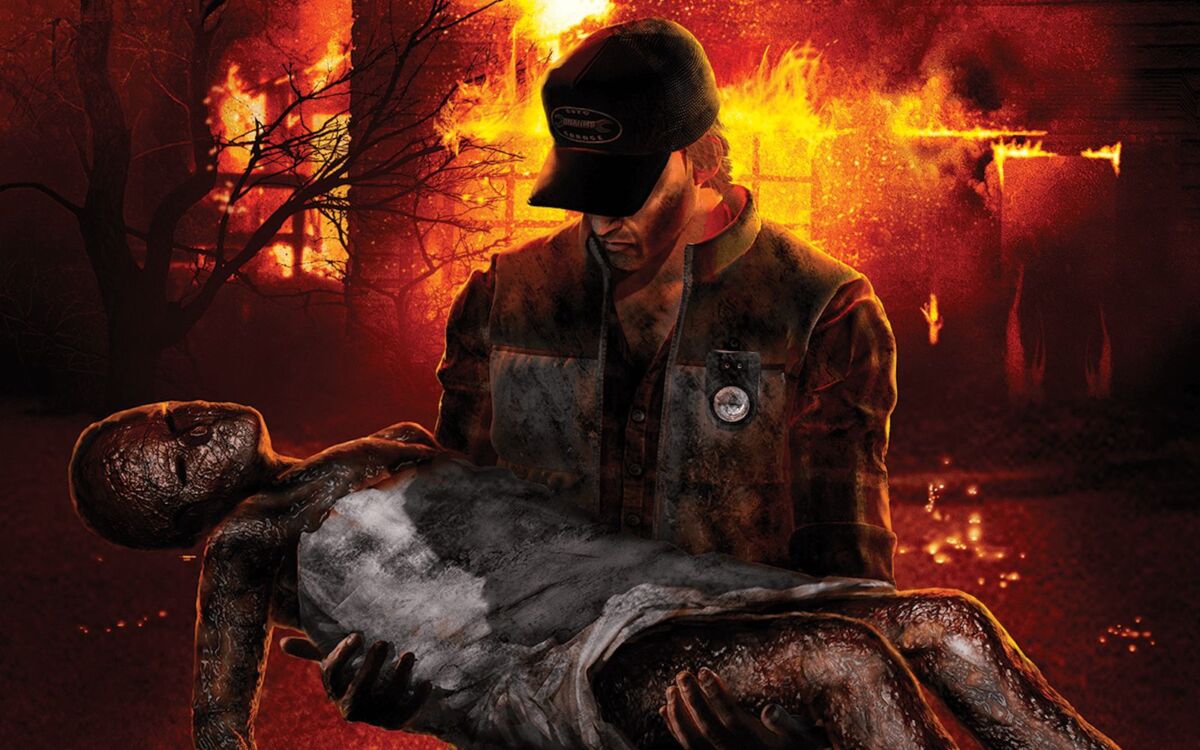
For a long time, Silent Hill felt like it may be too brooding and cinematic for a handheld. Then came Silent Hill: Origins on PSP, a prequel that tried to set up the cursed town before Harry Mason’s fateful car crash.
I guess we can thank it for the existence of Book of Memories?
Here, you play as Travis Grady, a trucker who makes the classic horror mistake of helping a child in distress. Idiot. Naturally, the kid is Alessa, and naturally, things spiral into cults, monsters, and a heavy dose of “this will all make sense later, maybe you’re also dead/grieving/guilty.”
Origins kept the series’ oppressive tone intact, with dimly lit rooms, radio crackles, and plenty of Otherworld shifts, but it did move more towards combat than other Silent Hill games. Travis can fistfight abominations or improvise with everyday weapons like lamps and meat cleavers. But everything breaks quickly, forcing you to scavenge. On paper it makes every encounter tense, though in practice it sometimes feels like you’re re-enacting Steven Segal’s latest movie in a second hand shop.
IGN gave it 7.6, noting it does a good job of capturing the Silent Hill atmosphere despite technical hiccups.
Fans mostly remember it as a better-than-expected handheld experiment, even with it missing that Team Silent magic, as this was the first proper game they didn’t develop. Still, it’s an interesting little moment in Silent Hill history and Shattered Memories wasn’t too far behind. The eve of the next game is upon us.
The Third Birthday
Oh yeah, it’s been a minute.
Square Enix’s decision to resurrect Parasite Eve as a third-person horror shooter on the PSP was bold at best, misguided at worst. The Third Birthday isn’t officially branded as Parasite Eve 3, but it stars Aya Brea, features body-horror monstrosities, and wraps everything in enough techno-babble to make you suddenly burst into flames.
This time Aya is in New York facing off against the “Twisted,” an alien menace that arrives through time-warping phenomena. If that sounds confusing, don’t worry — it gets even messier.
Mechanically, this is an over-the-shoulder action shooter that borrows more from Gears of War than survival horror. The big twist is “Overdive,” a system where Aya can teleport her consciousness into allied soldiers on the battlefield, effectively body-hopping mid-fight. I will always play games with this mechanic. But it seems nobody else did,
Critics were sharply divided. IGN gave it a pretty impressive 8.5/10, while Eurogamer found it visually impressive but narratively incoherent. They said it was a “brain optional affair” which is kinda funny.
Fans of the original Parasite Eve weren’t thrilled, with many feeling it stripped away survival horror in favour of generic gunplay and unnecessary starfish shots of Aya. Still, for all its flaws, The Third Birthday remains one of the weirder attempts at handheld horror, and it really is worth experiencing.
Dementium 1 and 2
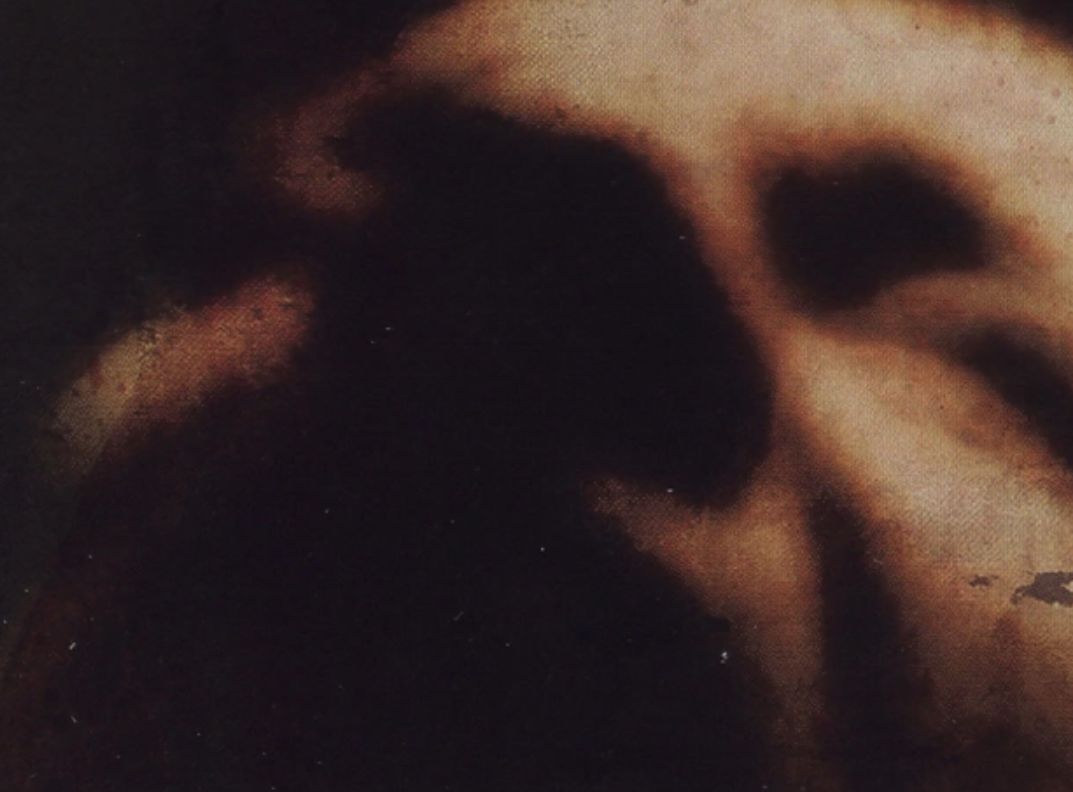
When you think of the Nintendo DS, you probably picture Mario, Brain Training, or Nintendogs. And probably not mental asylums and monsters shaped like me after 100 custard creams too many. That’s why Dementium stands out: Renegade Kid somehow got a Doom-style shooter series running on Nintendo’s touch screen machine, and then decided to lace it with asylum corridors, monsters, and enough blood to make Shigsy swoon.
The first game, Dementium: The Ward, throws you into a psychiatric hospital with no memory and no real plan beyond surviving the shambling creatures inside. It’s dang atmospheric for the hardware, with flickering lights, creepy ambient sound, and stylus aiming that worked surprisingly well. Unfortunately, it also suffered from brutal respawn points and enemies that felt more like bullet sponges than genuine threats. Reviews praised its ambition but were quick to note its repetition.
The sequel, Dementium II, tightened things up considerably. Levels were more varied, bosses were stronger, and the narrative tried harder to build a twisted psychological angle. Combat still wasn’t silky smooth, but it was undeniably more refined, and the environments pushed the DS about as far as it could go.
Together, the two games are fascinating little artefacts that are a bit blocky to look at today. But they’re proof that horror could exist on Nintendo’s family-friendly handheld without compromise. If you’re interested in handheld horror history, they’re worth a look just to see how much cheek Renegade Kid had. And hey, they did get some pretty weak ports to modern platforms not long ago.
Infected
Infected is just about the most Limp Bizkit handheld horror game you will ever find, and it’s glorious.
Developed by Planet Moon Studios, who I will always love for Giants Citizen Kabuto, Infected was one of the first PSP shooters, and was about as subtle as an American in double denim on Independence Day.
The story is basically “Christmas in New York, but with zombies.” No, not Home Alone 2. You play a cop trying to contain an outbreak by blowing everything to bits, and that’s pretty much all the plot you’ll get between cutscenes.
Gameplay is pure arcade action. You’ve got two weapons at all times: your regular gun and a special viral weapon linked to your own infected blood. Shoot enemies to weaken them, then finish them off with your blood shot to cause chain reactions. It’s simple, flashy, and kinda fun. Online multiplayer was the real gimmick, letting you spread your infection to other players’ save data in a kind of digital plague. At the time, it was pretty revolutionary stuff but now pretty much forgotten.
Reviews were positive but not that positive. GameSpot gave it 7.2, saying it gave a “real raw, visceral satisfaction”. Fans remember it as a fun little bit of nonsense. It wasn’t scary, not deep, but a fascinating time capsule of when the PSP was experimenting with online and zombies weren’t all that overdone. It’s throwaway fun, but you can kinda see why Sony has left this idea all alone for so long.
Yomawari: Night Alone
Yomawari: Night Alone is a horror game that feels like it was cresting on the wave of indie horror that was just about to break out, especially as this was released for the Vita. People always cite the Switch as helping indie horror break into the handheld world, but really it was Sony’s forgotten slab of wonder.
You play as a nameless little girl searching her small town at night after her dog and sister vanish. There are no guns, no upgrades, and no way to fight back. See what I meant earlier?
You only have a flashlight, the ability to sprint for a few seconds, and the thumping of her heartbeat whenever something monstrous draws near.
Shadows warp into grotesque creatures, abandoned streets stretch on forever, and familiar spaces become uncanny under dim light. The distinctly Japanese atmosphere carries the whole experience—subtle audio design really picks up the slack the low-pixel style leaves behind.
Destructoid praised it as “quietly unsettling” while Rely on Horror highlighted its emotional impact, particularly in its brutal opening. On Metacritic it sits at 75/100. Not bad at all.
The game’s success spawned a small series. Yomawari: Midnight Shadows refined the formula with two playable characters and richer storytelling, while Yomawari: Lost in the Dark pushed it onto modern consoles. Though they feel kinda quaint in the current horror landscape, these are still games you should be party to.
Corpse Party (2010)
You can chuck a party all you want, you will still get a bit smelly!
What started as a scrappy project back in 1996 got polished up for PSP as the daftly named Corpse Party Blood Covered Repeated Fear, complete with voice acting. The setup is classic schoolyard horror: a group of friends do a silly “stay together forever” charm, end up in a haunted school from another dimension, and then spend the rest of the game dying horribly.
Let this be a lesson to you the next time you try to have friends.
It looks deceptively cute, with its chibi-style sprites, but the tone is absolutely merciless. You wander around dim corridors, poke through classrooms, and inevitably stumble across corpses of kids who did the exact same charm. There’s no combat here, just puzzles, tense chases, and choices that can doom characters instantly. The infamous “Wrong Ends” are where the game really goes a bit mental, giving you some of the most creative and nasty deaths you’ll ever see in a handheld title.
Critics were impressed. Rely On Horror gave it 8.5/10, calling it “a very unique experience.” Corpse Party on PSP was about as dark as handheld horror could get in 2008. It went on to spawn Book of Shadows on PSP and Blood Drive on Vita, plus a bunch of side stories and spin-offs. But if you want the rawest, nastiest version of Corpse Party, this PSP release shouldn’t be hidden for much longer.
Spirit Camera
Man, Spirit Camera seemed genius. Take the Fatal Frame idea of photographing ghosts and literally make the 3DS your Camera Obscura. It shipped with a real “Diary of Faces” booklet, which the handheld’s camera scanned to spawn spectres, puzzles, and jump scares right into your room. You’re roped into helping a girl named Maya break a curse, while the Woman in Black stalks you through a mix of story chapters and AR mini-games.
But how is it to actually play? Well…the 3DS camera wasn’t exactly built for reliable horror. You needed bright light for the system to even recognise the booklet, meaning your midnight ghost hunt often turned into pacing around a well-lit living room. Spooky. When it works, though, it is pretty decent. Timing the handheld at different corners of your space while ghosts rush at you is goofy, and there are flashes of real Fatal Frame dread. They just don’t come reliably enough.
Destructoid found the gameplay more hassle than reward, saying the lighting restrictions “defeat the object” of portable horror. On Metacritic it holds a 54/100, and the game has basically been forgotten over the years.
It never lived up to the Fatal Frame name, but as a weird 3DS experiment, Spirit Camera is at least memorable. It’s more of a tech demo than a game, but you can have quite literal skeletons in your closet. Or a cupboard if you like to touch tea.
Touch the Dead
Alright, this one’s like the DS trying to do its own House of the Dead, but you’re stuck with little pen instead of a plastic gun at that arcade with the bloke who used to stare at you for a bit too long.
You’re Rob Steiner, no relation, who’s been wrongly convicted, and now stuck in a prison blasting zombies that pop out of walls with…touch commands.
The gimmick is simple: tap the touchscreen to fire, drag bullets to reload. It works, but the reload is so sluggish it becomes its own form of horror. Presentation doesn’t help much either. These graphics are stiff and blocky, like a PS1 game with a hangover, and the pacing is pretty plodding. Still, there’s something grimly satisfying about tapping a zombie’s arm clean off and watching limbs ragdoll around the cell block.
Critics weren’t convinced, though. GameSpot said swapping a light gun for the stylus didn’t excuse the “stiff, boxy presentation”. On the other end, Nintendo Life actually enjoyed its trashy charm, giving it 8/10. Metacritic splits the difference with 56/100.
So yeah—it’s janky, clunky, and half-baked, but if you want a DS horror curio where you literally poke zombies to death, it delivers exactly that. And hey if you want an actual handheld House of the Dead game:
Pinball of the Dead
What do you mean pinball isn’t scary? Remember that time you were at that arcade playing on the Shrek machine and the dude stared at you a bit too long?
Only Sega would look at House of the Dead and think, “Yeah, pinball.” Pinball of the Dead takes the zombie-shooting arcade series and crams it into three spooky pinball tables on the Game Boy Advance, of all places.
You’re knocking balls into boss fights, spelling out words to trigger mini-games, and watching hordes of pixelated zombies lurch across the table like you just defeated the quiet kid in a round of Yu-Gi-Oh.
Mechanically, it’s solid pinball. The ball physics are fast and snappy for the GBA, and each table has its own set of tricks, from multi-ball chaos to huge bosses pulled straight from House of the Dead 2. It even squeezes in creepy voice clips and gloomy visuals that sell the vibe, despite the handheld’s limitations.
Reception was positive, if a little surprised that it worked at all. GameSpot gave it 8/10, praising the table design, and Metacritic sits at 79, marking it as one of the better oddball spin-offs of its era.
No matter what, it’s at least better than those two remakes. How did you mess that up?
Some of the coverage you find on Cultured Vultures contains affiliate links, which provide us with small commissions based on purchases made from visiting our site.