



With a wild amount of games spanning over nearly four decades, Metal Gear’s strange naming and numbering conventions (and Kojima’s ADHD) means that it can be kind of a tricky series to jump into as a brand new cultist.
For a first playthrough, we’d recommend release order so that you can fully appreciate the tech and storytelling evolution* over the time. But chronological order is the way to go after that to figure out your Philosophers from your Patriots.
Some very light spoilers follow (skip the “Which Snake is Which?” section).
What Is Metal Gear’s Release Order ?
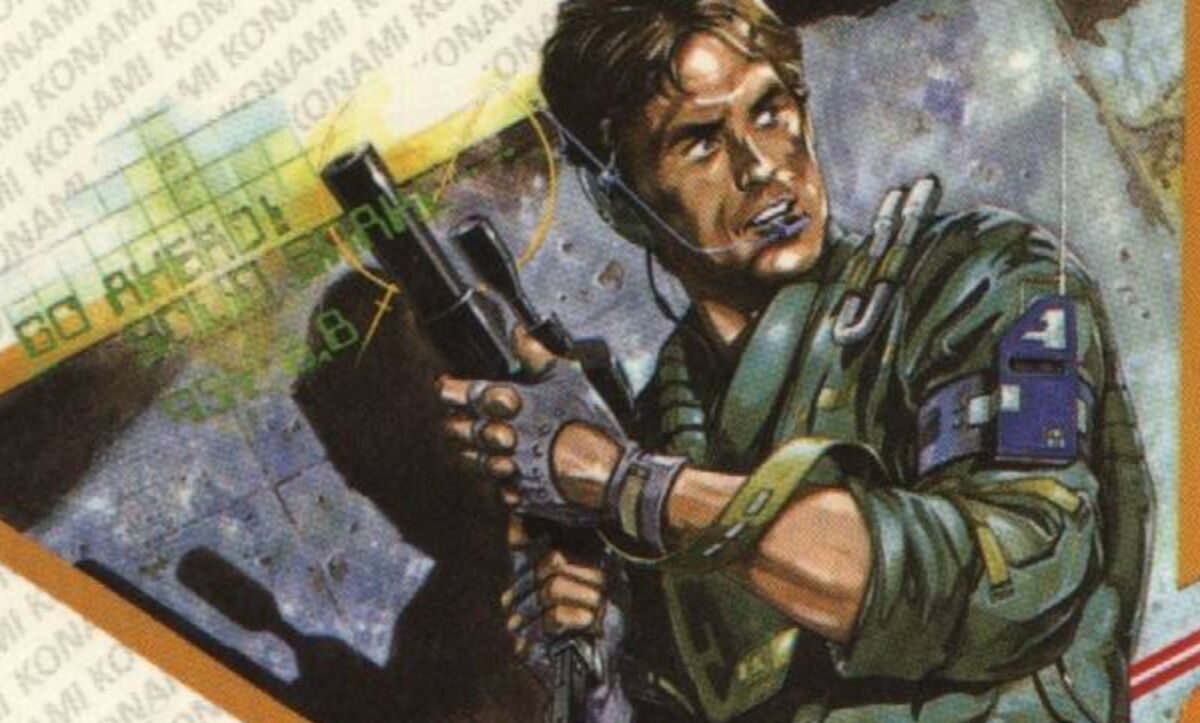
For the central saga, follow this order. The years refer to each game’s original release:
- Metal Gear — 1987
- Metal Gear 2: Solid Snake — 1990
- Metal Gear Solid — 1998
- Metal Gear Solid 2: Sons of Liberty — 2001
- Metal Gear Solid 3: Snake Eater — 2004
- Metal Gear Solid 4: Guns of the Patriots — 2008
- Metal Gear Solid: Peace Walker — 2010
- Metal Gear Solid V: Ground Zeroes — 2014
- Metal Gear Solid V: The Phantom Pain — 2015
This preserves the order in which the main story developed. Later prequels revisit characters and ideas introduced earlier, often assuming you recognise their significance.
Metal Gear Solid is also a practical starting point if the two older games don’t appeal. They’re, weirdly enough, actually most relevant when it comes to Metal Gear Solid 4 and V. Read their story summaries first, then continue down the list. They provide important background, but you don’t have to begin your new hobby with an archaeological assignment.
For those early chapters, use the original MSX2 Metal Gear and Metal Gear 2: Solid Snake. Snake’s Revenge is a different game, despite sounding like a perfectly plausible sequel.
What Is Metal Gear’s Chronological Order?
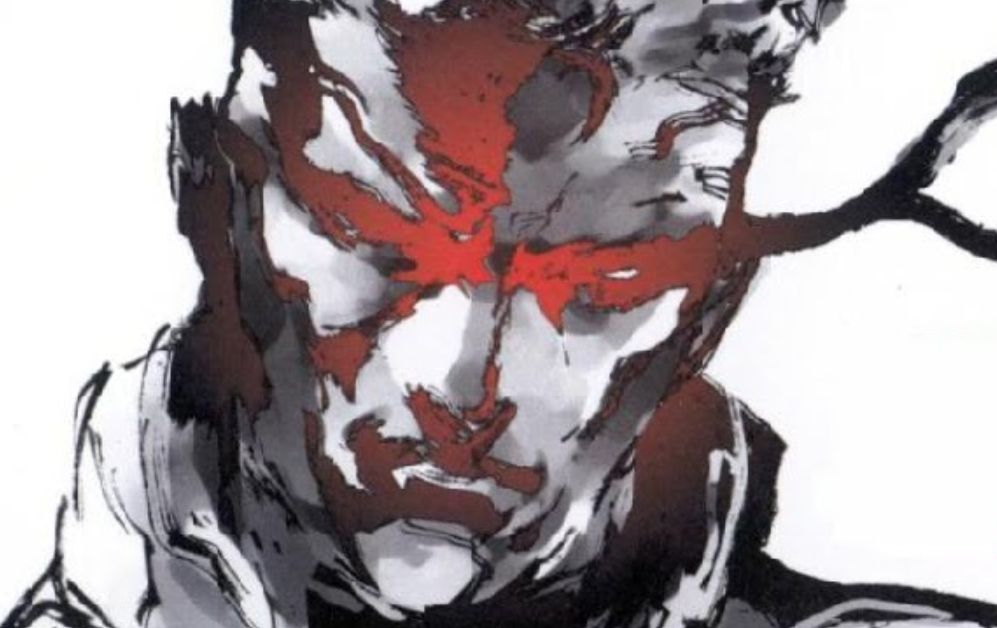
The central storyline runs in this order:
- Metal Gear Solid 3: Snake Eater — 1964
- Metal Gear Solid: Peace Walker — 1974
- Metal Gear Solid V: Ground Zeroes — 1975
- Metal Gear Solid V: The Phantom Pain — 1984
- Metal Gear — 1995
- Metal Gear 2: Solid Snake — 1999
- Metal Gear Solid — 2005
- Metal Gear Solid 2: Sons of Liberty — 2007–2009
- Metal Gear Solid 4: Guns of the Patriots — 2014
This keeps the earlier history together before moving into Solid Snake’s adventures. However, the games weren’t written in that sequence. You can expect to find a few contradictions and bonkers retcons by the time you get to Metal Gear Solid 4.
Which Snake Is Which?
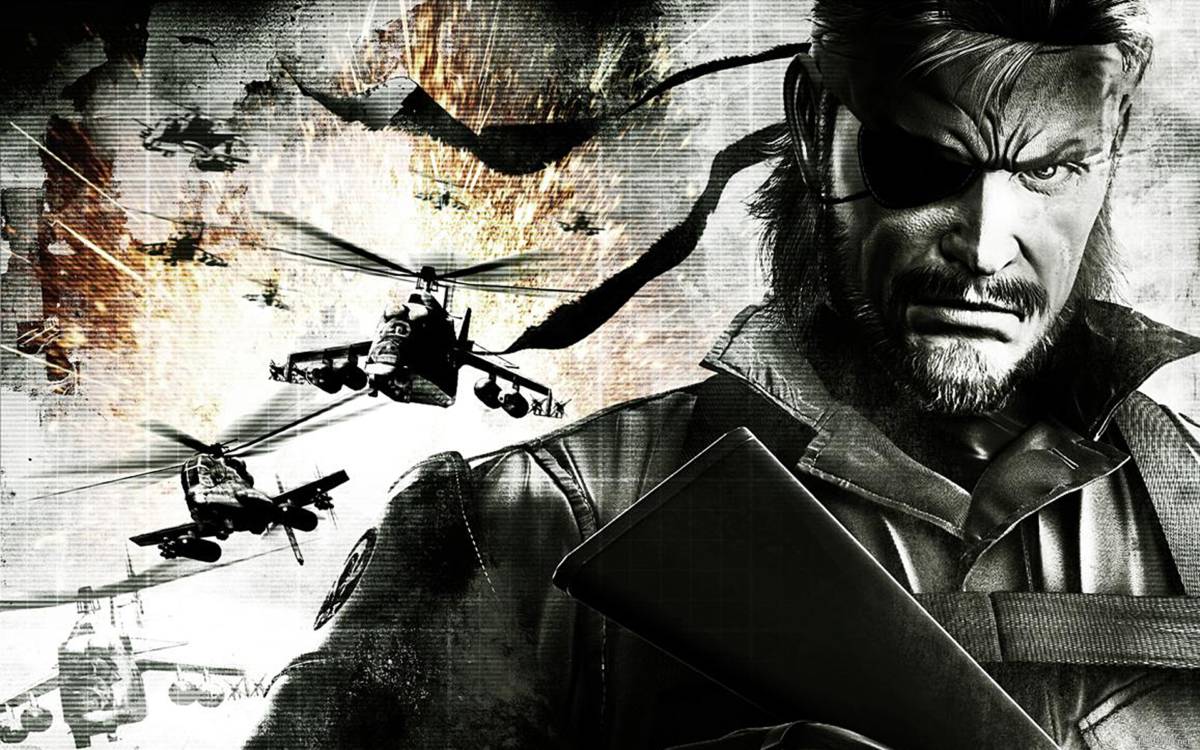
This is the most confusing game of Guess Who for about 30% of gamers. It is quite confusing, to be fair. Here’s every Snake (and otherwise) in the chronological order:
- Metal Gear Solid 3: Snake Eater — Naked Snake (Big Boss)
- Metal Gear Solid: Peace Walker — Big Boss
- Metal Gear Solid V: Ground Zeroes — Big Boss
- Metal Gear Solid V: The Phantom Pain — Venom Snake
- Metal Gear — Solid Snake
- Metal Gear 2: Solid Snake — Solid Snake
- Metal Gear Solid — Solid Snake
- Metal Gear Solid 2: Sons of Liberty — Solid Snake – Raiden
- Metal Gear Solid 4: Guns of the Patriots — Old Snake (Solid Snake)
Interesting bit of trivia: despite being the “Solid” in “Metal Gear Solid,” Solid Snake is actually only the main character in two of them, though he is the main character of four if we widen it to all of “Metal Gear.”
Are Peace Walker and Ground Zeroes Important?
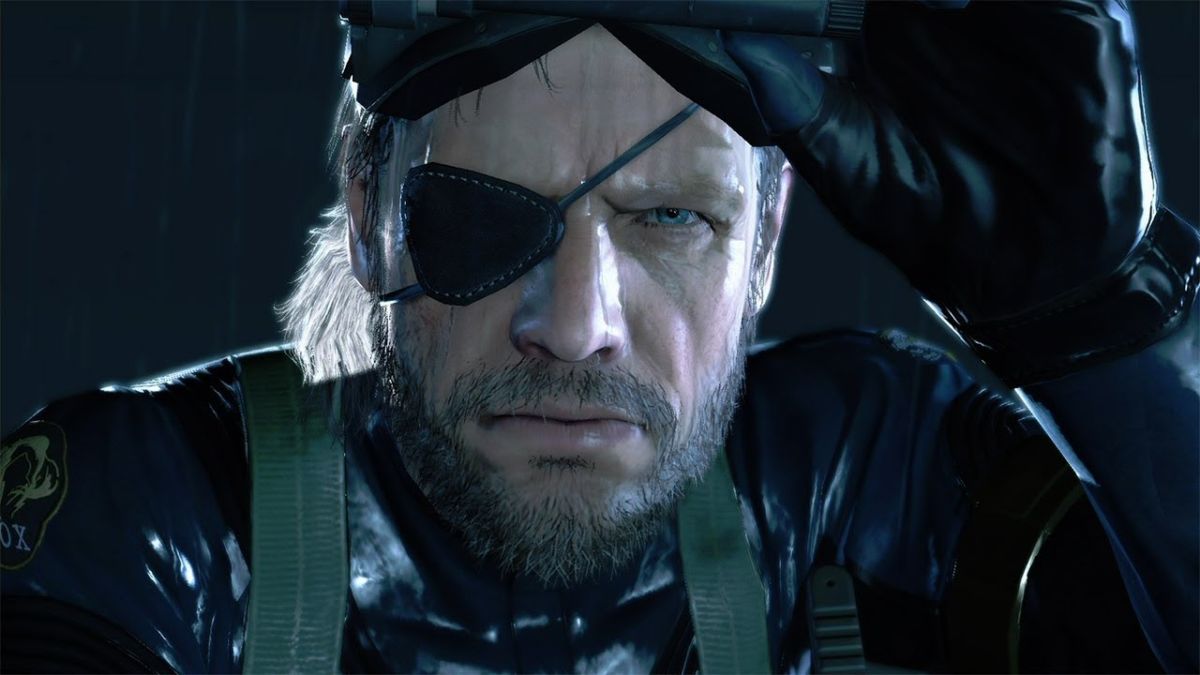
Yes. Neither should be dismissed as an optional extra because you’ll be missing out on a lot going into The Phantom Pain.
Peace Walker establishes characters and circumstances that carry into Ground Zeroes. Ground Zeroes then serves as the prologue to The Phantom Pain, so play those three in that order. Jumping straight into The Phantom Pain leaves some emotional beats not beating you quite as hard, even if it has some of the most lax storytelling in the series.
Where Do Those Spin-Offs Fit?
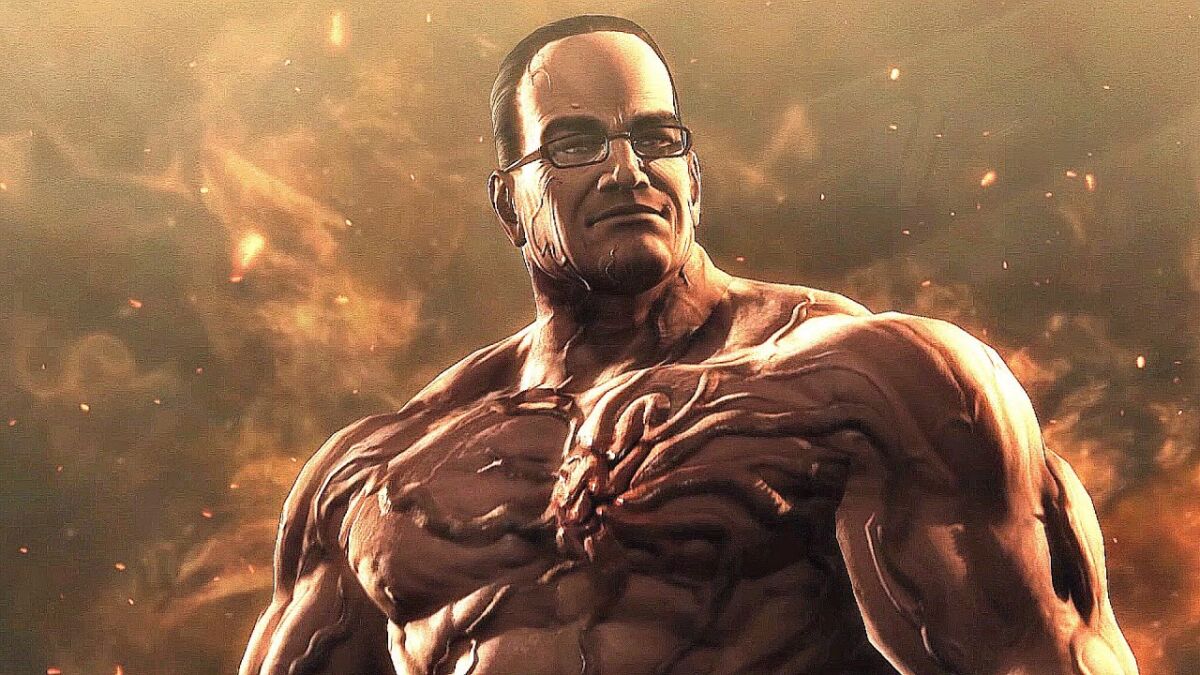
There’s a few to go through here. Let’s start with the most recent game.
Metal Gear Solid Delta: Snake Eater is essentially a 1:1 remake of Metal Gear Solid 3: Snake Eater wearing an Unreal Engine skin. It adds nothing story-wise. Play it first if you can’t handle some pointier graphics.
Portable Ops takes place in 1970, between Snake Eater and Peace Walker. For release order, insert it between MGS3 and MGS4. It expands the earlier history, but its canon status is a bit all over the place. Its relationship to the wider saga has enough disputed details that you’d be safer to just ignore it. Or, just play Portable Ops Plus, which is the much better game.
Metal Gear Rising: Revengeance takes place four years after MGS4. Play it for what comes next for Raiden after he spins robot cows around with his feet in the fourth game. Somehow, it gets even crazier than that. It’s also where you want to go to find out what happened to Solid Snake, though Kojima himself hasn’t claimed it.
As for Metal Gear Acid 1 and 2, these are strictly on-canon and can just be played for fun. That second game is actually quite underrated.
Metal Gear: Ghost Babel is a very good top-down stealth game that feels a lot like the original Metal Gear games. Another non-canon one that spins off from Metal Gear Solid 1, but well worth playing.
The continually less appreciated Metal Gear Solid: The Twin Snakes is a remake of Metal Gear Solid for the Nintendo GameCube that does some absolutely crazy things — Snake basically becomes superhuman. Play that one for fun, but bear in mind that it uses the gameplay framework of Metal Gear Solid 2 for a game initially not designed for it so the whole thing is extremely easy.
Snake’s Revenge is a pretty poor spin-off for the NES made without Kojima’s involvement. You can just go ahead and skip this one.
Metal Gear Survive is a non-canon spin-off from MGSV and, separated from the controversy, is an okay survival game in which you poke zombies in their crystal bits for quite a long time.
(*well, up to The Phantom Pain, anyway)
READ NEXT: FNAF Canon Explained: How the Games, Books and Films Fit Together
Some of the coverage you find on Cultured Vultures contains affiliate links, which provide us with small commissions based on purchases made from visiting our site.